







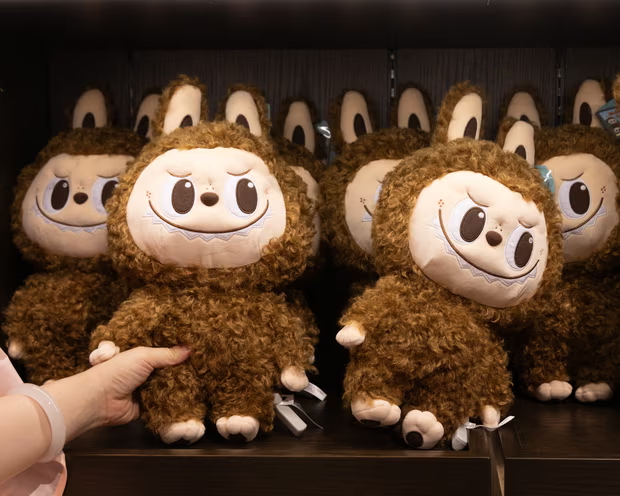

Chinese regulators have moved to prohibit banks from offering promotional gifts such as Labubu dolls in an effort to curb aggressive marketing tactics and protect shrinking profit margins. With financial institutions struggling under the weight of falling interest rates and increasing competition, the National Financial Regulatory Administration (NFRA) issued new guidance discouraging the use of incentives like popular collectibles and household items to attract deposits. This decision follows a viral campaign by Ping An Bank, which sparked widespread attention—and regulatory scrutiny—by giving away trendy Labubu dolls in exchange for large-term deposits.


I. The Rise of Labubu Dolls in Banking Promotions
1. Ping An Bank’s Controversial Marketing Strategy
Shenzhen-based Ping An Bank launched a promotional offer in various cities across China that allowed new customers to receive a Labubu doll or a gift package if they deposited at least 50,000 yuan (approximately £5,162) for three months. The campaign gained traction quickly on social media platforms, particularly Xiaohongshu (also known as RedNote), where images and reviews flooded timelines and boosted interest in the bank’s services.
2. Pop Culture Meets Finance: The Labubu Craze
Labubu dolls, created by artist Kasing Lung, have seen a meteoric rise in popularity since they hit the market in 2019. Inspired by Nordic mythology and originally featured in Lung’s “Monsters” picture book series, these blind-box collectibles went viral after celebrities such as BlackPink’s Lisa and pop icon Rihanna were spotted with the toys. Their viral appeal made them highly desirable among collectors and consumers, making them an ideal promotional tool—until regulators stepped in.
II. Regulatory Crackdown on Gift-Based Incentives
1. The Regulator’s Concerns and Directives
The Zhejiang branch of China’s NFRA instructed local banks to stop offering what it termed “non-compliant perks,” a category that includes not only collectibles like Labubu dolls but also rice, small electronics, and digital subscriptions. The regulator emphasized that such practices could unnecessarily inflate banks’ operating costs and threaten financial stability in a sector already facing margin pressures.
2. Cost Versus Customer Acquisition
While offering gifts may attract depositors in the short term, financial regulators and state media argue that these promotions are not sustainable solutions. China’s banks are already dealing with record-low profit margins, and adding marketing giveaways to the mix could erode their financial health even further. The new guidance reflects growing concern over banks’ aggressive customer acquisition strategies, which may prioritize short-term gains over long-term resilience.
III. Economic Context Behind the Ban
1. Interest Rate Cuts and Margin Compression
China’s central bank reduced its benchmark interest rates last month—the first adjustment since October—in response to ongoing economic challenges, including pressures from past trade conflicts. Shortly after, authorities also cut the ceiling on deposit rates, aiming to support bank profitability and discourage excessive saving, which can dampen domestic consumption.
2. Trade Pressures and Regulatory Intervention
Although the global economy has begun recovering from pandemic-induced disruptions, the lingering impact of U.S.-China trade tensions—particularly under former U.S. President Donald Trump—continues to shape monetary policy. By reducing deposit incentives, the government is trying to strike a delicate balance between encouraging spending and preserving the operational health of its banking sector.
IV. Public Reaction and Market Response
1. Viral Success Versus Regulatory Pushback
Ping An Bank’s campaign drew massive attention online, with social media users praising the creativity of tying popular culture to financial products. Many consumers eagerly participated, viewing the dolls as valuable collectibles rather than just promotional trinkets. However, as state media and regulators issued statements criticizing the campaign’s long-term effectiveness, the mood shifted toward skepticism over such gimmicks.
2. Surge in Labubu Doll Sales
Following the campaign’s publicity, Labubu dolls rapidly sold out across major Chinese e-commerce platforms and Pop Mart’s official store. Demand surged as the promotion cast a spotlight on the toy’s cultural and collectible value. This further demonstrated how quickly pop culture can influence consumer behavior—though not always with regulatory approval.
V. A Look at the Bigger Picture in China’s Banking Sector
1. A Competitive Landscape Amid Slowing Growth
Banks in China are operating in an environment marked by narrowing profit margins, stricter oversight, and slowing economic growth. As competition intensifies, especially among mid-tier and regional banks, the pressure to attract new customers has driven some institutions to experiment with increasingly unconventional marketing strategies.
2. Regulatory Emphasis on Financial Discipline
The crackdown on Labubu promotions signals a broader regulatory intention to uphold discipline and risk management across the financial sector. Authorities want banks to compete based on product innovation and service quality—not through flashy promotions or collectible toys. This effort is aligned with broader policy goals aimed at stabilizing China’s financial system and avoiding excessive market speculation.
Conclusion
The ban on promotional campaigns featuring Labubu dolls by Chinese banks highlights the tension between creative marketing and financial regulation. While eye-catching incentives can drive customer engagement in the short term, regulators are rightly concerned about the long-term implications for bank profitability and systemic stability. Ping An Bank’s now-viral promotion serves as a cautionary tale in an increasingly scrutinized financial landscape, where charm and pop culture must eventually give way to prudent financial management. As China continues to navigate economic headwinds, banks are being urged to find more sustainable—and compliant—ways to grow their customer base.








