







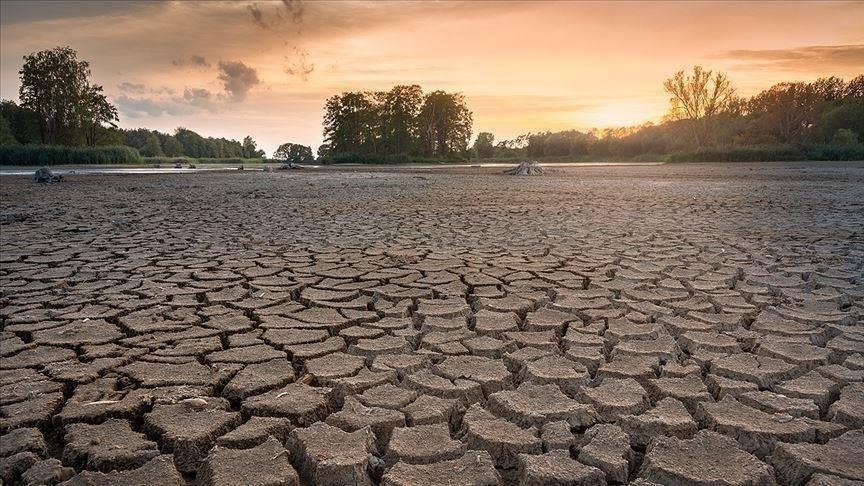


Water, the source of all life on Earth, is becoming increasingly scarce in many regions of the world. While this may seem paradoxical on a planet where over 70% of the surface is covered by water, only a small fraction—about 2.5%—is freshwater, and even less is accessible for direct human use. In recent years, the dual forces of climate change and overuse have intensified an emerging global crisis: water scarcity. This challenge, once confined to arid regions, has now become a universal concern, with severe implications for food security, public health, geopolitical stability, and sustainable development.
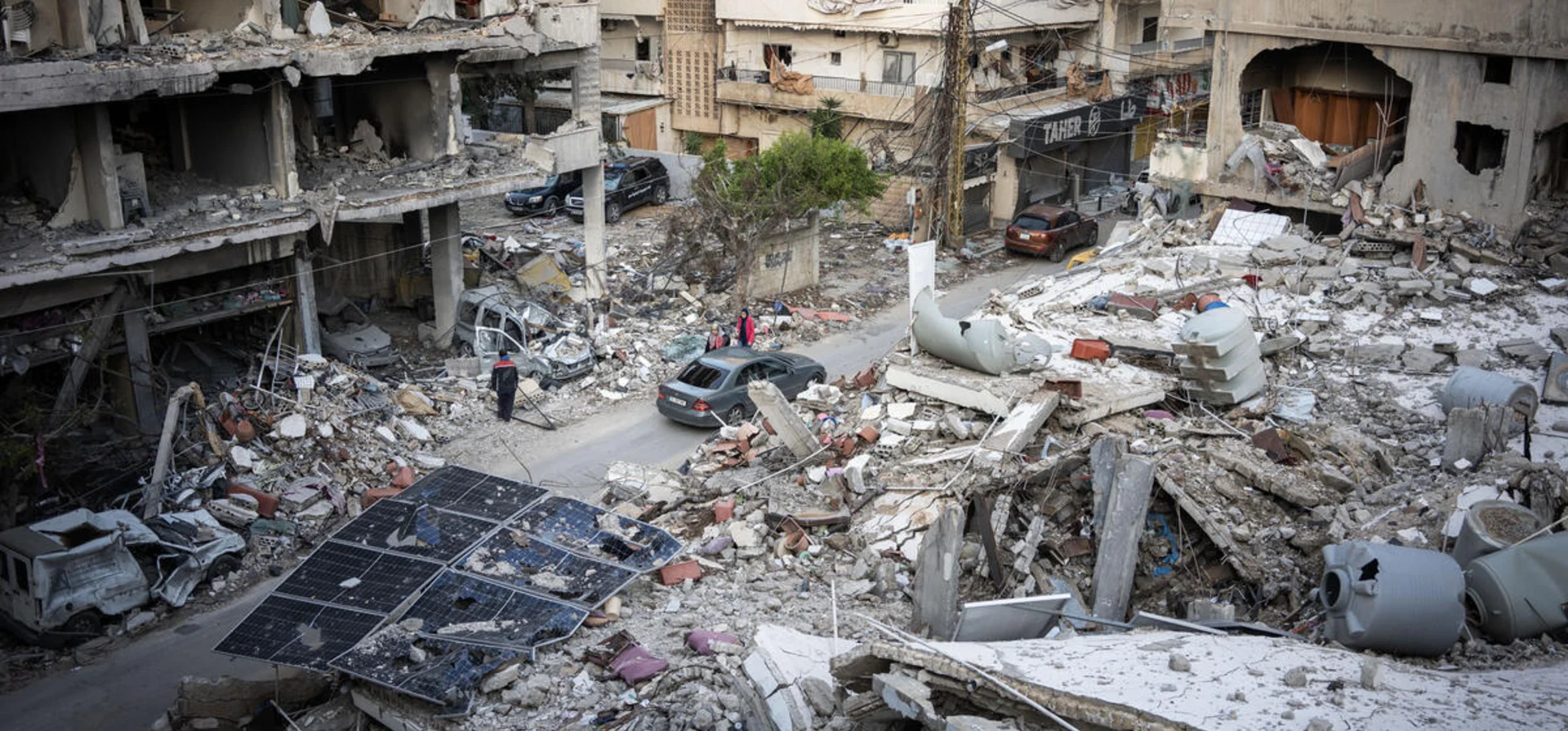

This article explores how climate change and human overconsumption are converging to accelerate water stress worldwide, how nations are responding, and what urgent steps must be taken to secure the planet’s most precious resource.

1. Understanding Water Scarcity
Water scarcity occurs when the demand for freshwater exceeds the available supply in a region. It can be physical (natural shortage due to lack of rainfall or geographical factors) or economic (when infrastructure or governance fails to provide access to safe water).
The UN estimates that over 2 billion people currently live in countries experiencing high water stress. By 2050, more than half the world’s population could be living in water-stressed regions if current trends continue.
2. Climate Change: The Invisible Hand Behind the Crisis
Climate change is arguably the most significant factor accelerating global water scarcity. Rising global temperatures disrupt weather patterns, leading to more frequent and severe droughts, glacial melt, and unpredictable rainfall. These climatic shifts affect both surface and groundwater availability.
a. Changing Rainfall Patterns
In some regions, prolonged droughts are becoming the new normal. For instance, the Horn of Africa has faced five failed rainy seasons in a row. In contrast, other regions face sudden, intense rainfall that leads to floods rather than replenishing groundwater.
b. Melting Glaciers and Snowpacks
Many river systems—such as the Indus, Mekong, and Yangtze—depend on glacial melt for their flow. As glaciers retreat due to warming, downstream communities initially face floods followed by long-term water shortages.
c. Evaporation and Losses
Higher temperatures increase evaporation rates in reservoirs and lakes. In combination with prolonged heatwaves, this results in significant reductions in available freshwater.
3. Overuse and Mismanagement of Water Resources
While climate change reduces water supply, human activity further strains the system through overextraction, pollution, and inefficient use.
a. Agricultural Demands
Agriculture consumes about 70% of global freshwater. In many regions, especially where irrigation is poorly managed, massive water losses occur due to outdated techniques, such as flood irrigation.
b. Groundwater Depletion
In countries like India, China, and the United States, groundwater aquifers are being drained faster than they can be replenished. Overreliance on groundwater for drinking and farming has created a ticking time bomb, as many aquifers are non-renewable or recharge very slowly.
c. Urbanization and Industrial Growth
Urban sprawl, rising populations, and expanding industries place additional pressure on water systems. In many cities, leaky pipes and inefficient infrastructure result in enormous water waste. Moreover, industrial pollutants often contaminate freshwater sources, rendering them unusable.
4. Regions on the Brink
Water scarcity is now a global issue, but its impacts are uneven and often most severe in already vulnerable regions.
a. Middle East and North Africa (MENA)
The MENA region is the most water-stressed area in the world. Countries like Jordan, Saudi Arabia, and Yemen face chronic shortages, relying heavily on desalination and imported water. Political instability in the region further complicates water management.
b. South Asia
India and Pakistan are both facing severe water crises due to overuse, population growth, and climate-driven variability in monsoon rains. The Indus Water Treaty, once a model of cooperation, is under strain as both nations compete for dwindling water resources.
c. Sub-Saharan Africa
Many communities lack basic access to clean water. Droughts in countries like Ethiopia, Somalia, and Kenya have triggered humanitarian emergencies, exacerbating food shortages and displacement.
d. Western United States
States like California and Arizona face long-term water scarcity fueled by decades of overuse and declining snowpacks. The Colorado River, once a lifeline for millions, is shrinking, prompting fierce interstate and international debates.
5. Water Wars and Geopolitical Tensions
As freshwater becomes scarcer, tensions between countries and regions are escalating. Shared rivers and aquifers often become flashpoints for conflict.
a. The Nile Basin Dispute
Ethiopia’s construction of the Grand Ethiopian Renaissance Dam (GERD) has raised alarms in Egypt and Sudan, which fear reduced downstream flow of the Nile. Diplomatic efforts have stalled, and the threat of conflict looms.
b. India-China Water Rivalry
China’s upstream control of rivers originating in Tibet—such as the Brahmaputra—has caused concern in downstream countries like India and Bangladesh. Unilateral dam-building by China could alter flow patterns, triggering regional disputes.
c. Transboundary Aquifers
Many underground aquifers cross borders, such as the Guarani Aquifer in South America. Without cooperative frameworks, these too may become sources of international friction.
6. Technological and Policy Solutions
Despite the dire outlook, innovative technologies and smart policies offer hope for mitigating the crisis.
a. Desalination
Countries like Israel and Saudi Arabia have invested heavily in desalination plants, converting seawater into potable water. However, desalination is energy-intensive and costly, making it less viable for poorer nations.
b. Water Recycling and Reuse
“Greywater” systems and wastewater treatment technologies can turn sewage into usable water for agriculture and industry. Singapore’s NEWater initiative is a global model for advanced water recycling.
c. Smart Irrigation
Switching from flood irrigation to drip systems can reduce water usage by up to 60%. Precision agriculture, aided by sensors and satellite data, allows for efficient water management.
d. Policy and Pricing
Governments must reform water pricing to reflect its true value. Subsidizing water often leads to waste. Water markets and tradable permits are being explored in places like Australia and Chile to incentivize conservation.
e. Rainwater Harvesting
This ancient practice is being revived in cities and rural areas alike. Collecting and storing rainwater can supplement groundwater and reduce dependence on centralized supplies.
7. The Role of International Cooperation
Addressing global water scarcity requires cooperation across borders and sectors. International organizations like the United Nations, World Bank, and Global Water Partnership are working to facilitate dialogue, share best practices, and fund infrastructure development.
a. Sustainable Development Goal 6
The UN’s SDG 6 aims to ensure availability and sustainable management of water and sanitation for all by 2030. It calls for integrated water resources management and improved water-use efficiency.
b. Water Diplomacy
Successful examples of water-sharing agreements—like the Senegal River Basin Development Organization—show that diplomatic solutions are possible, even among countries with tense histories.
c. Climate Adaptation Funds
Green Climate Fund and other global financing mechanisms are supporting water resilience projects, particularly in vulnerable countries.
8. Behavioral and Cultural Shifts
Ultimately, solving the water crisis also requires a change in how societies perceive and use water.
-
Public awareness campaigns can help people understand the importance of conservation.
-
Cultural practices that promote water-saving rituals or discourage waste can be powerful tools.
-
Youth education on sustainability and environmental stewardship is crucial for long-term change.
9. The Path Forward: Urgency, Innovation, and Inclusion
The global water scarcity crisis is not a distant threat—it is a present and accelerating emergency. Climate change continues to erode our natural water reserves, while population growth, poor governance, and unsustainable practices worsen the strain.
To confront this challenge, a multi-pronged approach is essential:
-
Integrate climate adaptation into water resource planning.
-
Foster regional cooperation for shared water governance.
-
Invest in infrastructure that prioritizes efficiency and equity.
-
Promote community-led water conservation initiatives.
No single solution will suffice. But with bold leadership, cross-sector collaboration, and a collective reimagining of water stewardship, humanity can avoid a catastrophic future and ensure water security for generations to come.








