







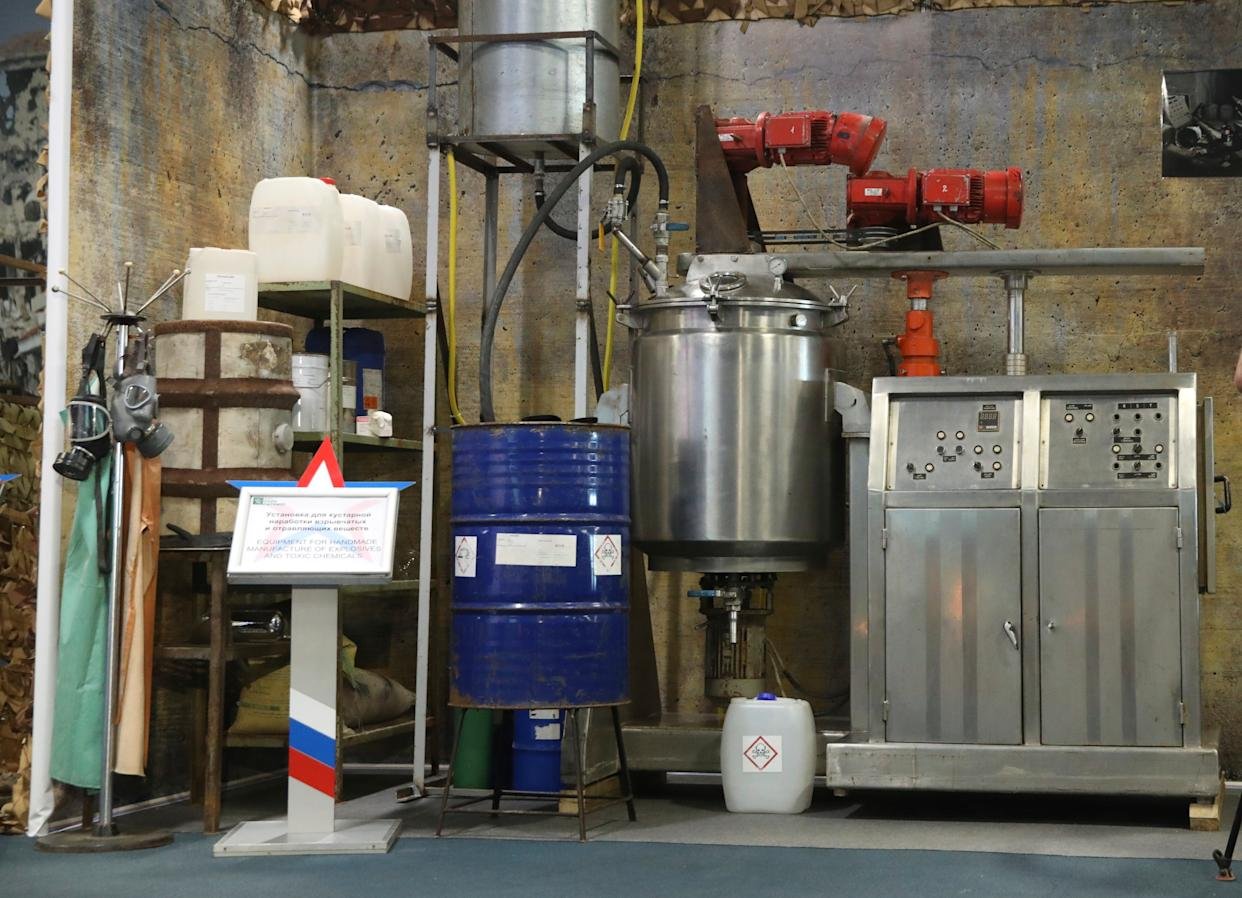
Dutch intelligence agencies reported on Friday that Russia has been increasingly deploying banned chemical weapons in Ukraine, including the toxic World War I-era agent chloropicrin. A joint investigation by the Netherlands’ military and security services, in collaboration with German intelligence, concluded that such chemical weapon use by Russian forces has become “routine and normalized” in the ongoing war. These substances, including chloropicrin and riot-control agent CS, are allegedly used to force Ukrainian troops from shelters, making them vulnerable to gunfire.


I. Escalation in Chemical Weapon Use by Russia
1. Toxic Agents Used Against Ukrainian Soldiers
The intelligence report outlines that Russian troops are deliberately using chloropicrin—an asphyxiating gas—and CS gas to flush out Ukrainian soldiers hiding in fortified positions. Once exposed, the soldiers are left defenseless and are reportedly targeted by gunfire. These tactics mark a troubling evolution in Russia’s warfare methods, highlighting a significant disregard for international conventions.

2. Chemical Warfare Becoming a Common Practice
The Dutch and German intelligence findings indicate that the use of these banned agents is no longer sporadic but has become integrated into Russia’s military strategy. Such normalization not only endangers Ukrainian troops but also sets a dangerous precedent that could lower the global threshold for chemical weapon use in future conflicts.

II. Calls for Action and Global Ramifications
1. Dutch Defense Minister Urges Sanctions and Support
Ruben Brekelmans, the Dutch Defense Minister, emphasized the need for increased sanctions on Moscow and continued defense assistance for Ukraine. Brekelmans warned that the normalization of chemical warfare threatens not only Ukraine but also broader international stability. He urged the global community to prevent this trend from becoming acceptable practice in modern conflict.
2. Violation of International Agreements
Russia is a signatory to the Chemical Weapons Convention, which explicitly prohibits the use of agents like chloropicrin and CS for warfare. However, despite this commitment, both agents are reportedly being used in Ukraine. The Organization for the Prohibition of Chemical Weapons (OPCW), the international body responsible for enforcing the treaty, has noted several CS gas incidents but has yet to conduct a full investigation—something only possible if formally requested by member states.

III. International Response and Ongoing Investigations
1. Upcoming OPCW Meeting to Address the Issue
The OPCW’s executive committee is scheduled to convene next week, with the war in Ukraine expected to be a focal point of the discussions. Though limited documentation exists, the accumulating reports and intelligence are prompting increased scrutiny of Russia’s actions and calls for official investigations into the alleged use of banned substances.
2. Russia Denies Accusations, Shifts Blame
Moscow has not issued an immediate response to the Dutch-German findings but has consistently denied previous allegations of chemical weapon use. Instead, Russian officials have claimed that Ukraine is responsible for deploying such weapons, an assertion widely dismissed by international observers.
3. U.S. and Ukraine Cite Thousands of Attacks
According to Ukrainian authorities, Russia has conducted over 9,000 chemical attacks since launching its full-scale invasion in 2022. These numbers align with findings from the U.S. State Department, which in 2024 confirmed incidents involving chloropicrin used against Ukrainian troops. Such figures suggest a systemic and widespread use of chemical agents by Russian forces, elevating the urgency for a coordinated global response.
Conclusion
The revelations by Dutch and German intelligence agencies point to an alarming trend in Russia’s conduct in Ukraine: the routine use of internationally banned chemical weapons. These actions not only violate global treaties but also threaten to erode long-standing norms against chemical warfare. As international organizations like the OPCW prepare to meet, and as Western allies weigh their next steps, the need for accountability and reinforced support for Ukraine becomes more pressing than ever.








