









As transatlantic trade tensions flare once more, the European Union has responded firmly to U.S. threats of increased tariffs, signaling its intent to defend its economic interests while remaining open to fair negotiations. This renewed friction follows a dramatic announcement by former President Donald Trump, who proposed a 50% tariff on all EU imports, citing dissatisfaction with slow trade talks. The EU, however, insists that any agreement must be based on mutual respect, not coercion.

I. EU’s Call for Respectful Dialogue
1. Šefčovič Reaffirms Commitment to Fair Talks
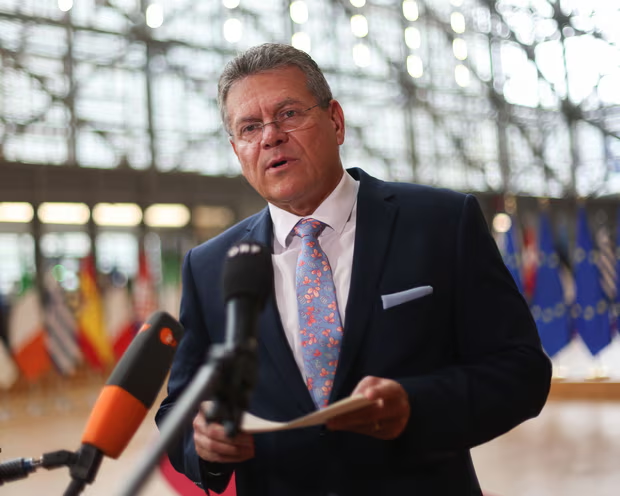
European Trade Commissioner Maroš Šefčovič took to social media platform X following a call with U.S. officials, including Trade Representative Jamieson Greer and Commerce Secretary Howard Lutnick. He emphasized that the EU remains “fully engaged” and “committed to securing a deal that works for both.” Šefčovič made it clear that transatlantic trade must be guided by “mutual respect, not threats,” underscoring that the European Commission will defend the bloc’s economic interests if necessary.

2. Trump’s Accusations and Tariff Proposal
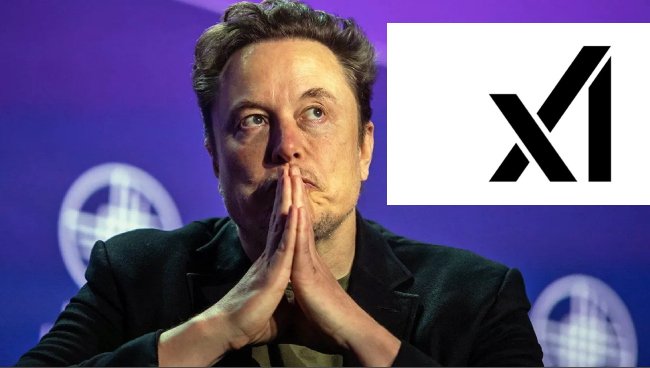
On Truth Social, Trump accused the EU of being founded to “take advantage of the United States on trade,” adding that current discussions were “going nowhere.” He alleged an annual trade deficit of $250 billion with the bloc and confirmed that a 50% tariff on EU goods could be implemented starting June 1. Though he stated he wasn’t “looking for a deal,” he hinted that a large European investment in the U.S. might prompt a delay in implementing the tariff.
II. Economic Stakes and Market Reactions
1. Size of the Transatlantic Trade Relationship
The European Union and the United States share one of the world’s largest trading partnerships. Last year alone, the EU exported goods worth over $600 billion to the U.S., while importing approximately $370 billion. Despite this significant trade volume, the Trump administration has maintained steep tariffs on key EU exports, including steel, aluminium, and auto parts, and has floated the possibility of new levies on sectors like pharmaceuticals and semiconductors.

2. Market Turbulence Follows Announcement
Trump’s tariff remarks triggered immediate turbulence in financial markets. U.S. stock indexes and European shares experienced notable declines, reflecting investor anxiety about escalating trade barriers. Of particular concern was Trump’s additional threat to place a 25% tax on Apple and Samsung phones purchased in the U.S., scheduled to take effect at the end of June.
III. European Leaders Voice Concern and Resolve
1. France and Italy Urge De-escalation
European leaders quickly responded to Trump’s proposal with a mixture of frustration and resolve. French Trade Minister Laurent Saint-Martin expressed disappointment, emphasizing that new threats were unhelpful to ongoing negotiations. He reiterated France’s commitment to de-escalation but affirmed that Europe was prepared to defend its interests if necessary.
Meanwhile, Italy’s Foreign Minister Antonio Tajani insisted on maintaining the “zero-for-zero tariffs” objective, which seeks the elimination of duties on both sides to promote open trade.
2. Dutch and Irish Leaders Warn Against Escalation
Dutch Prime Minister Dick Schoof suggested that the EU would interpret Trump’s aggressive tariff stance as part of a broader negotiation tactic. “We’ve seen before that tariffs can fluctuate during talks with the U.S.,” he told reporters in The Hague, signaling a strategic understanding of the situation.
Irish Taoiseach Micheál Martin was more direct, calling Trump’s proposal “extremely disappointing.” In a statement, he warned that such tariffs would not only raise prices but also severely undermine one of the world’s most robust trading relationships. Martin stressed that diplomacy remains the only viable path forward.
IV. EU Readies Countermeasures
1. German MEP Threatens Retaliation
Bernd Lange, chair of the European Parliament’s trade committee, indicated that the EU would not yield to pressure. Speaking to Germany’s Die Welt, Lange warned that if negotiations fail, the EU is “strong enough to implement countermeasures,” including retaliatory tariffs aimed at offsetting economic losses.
He emphasized that while Europe will enter talks with objectivity and a desire to compromise, it will not hesitate to act in defense of its interests. Lange’s comments reflect growing support within the EU for a more assertive stance in trade disputes with Washington.
2. Broader Concerns About Global Trade Stability
Beyond the immediate EU-U.S. relationship, these developments could ripple through global trade. European leaders fear that a tit-for-tat tariff escalation could disrupt supply chains, increase consumer prices, and dampen investor confidence. The EU’s firm tone underscores a broader desire to protect the rules-based global trading system from protectionist impulses.
Conclusion
The latest threats of sweeping tariffs from former President Trump have reignited tensions between two of the world’s largest economies. While the EU remains committed to negotiation and partnership, it has made it clear that dialogue must occur on the basis of mutual respect rather than intimidation. As both sides prepare for a new round of talks, the global community watches closely, hoping that cooler heads prevail before a full-scale trade war reignites. The stakes are high—not only for the EU and the U.S., but for the stability of the global economic order.








