






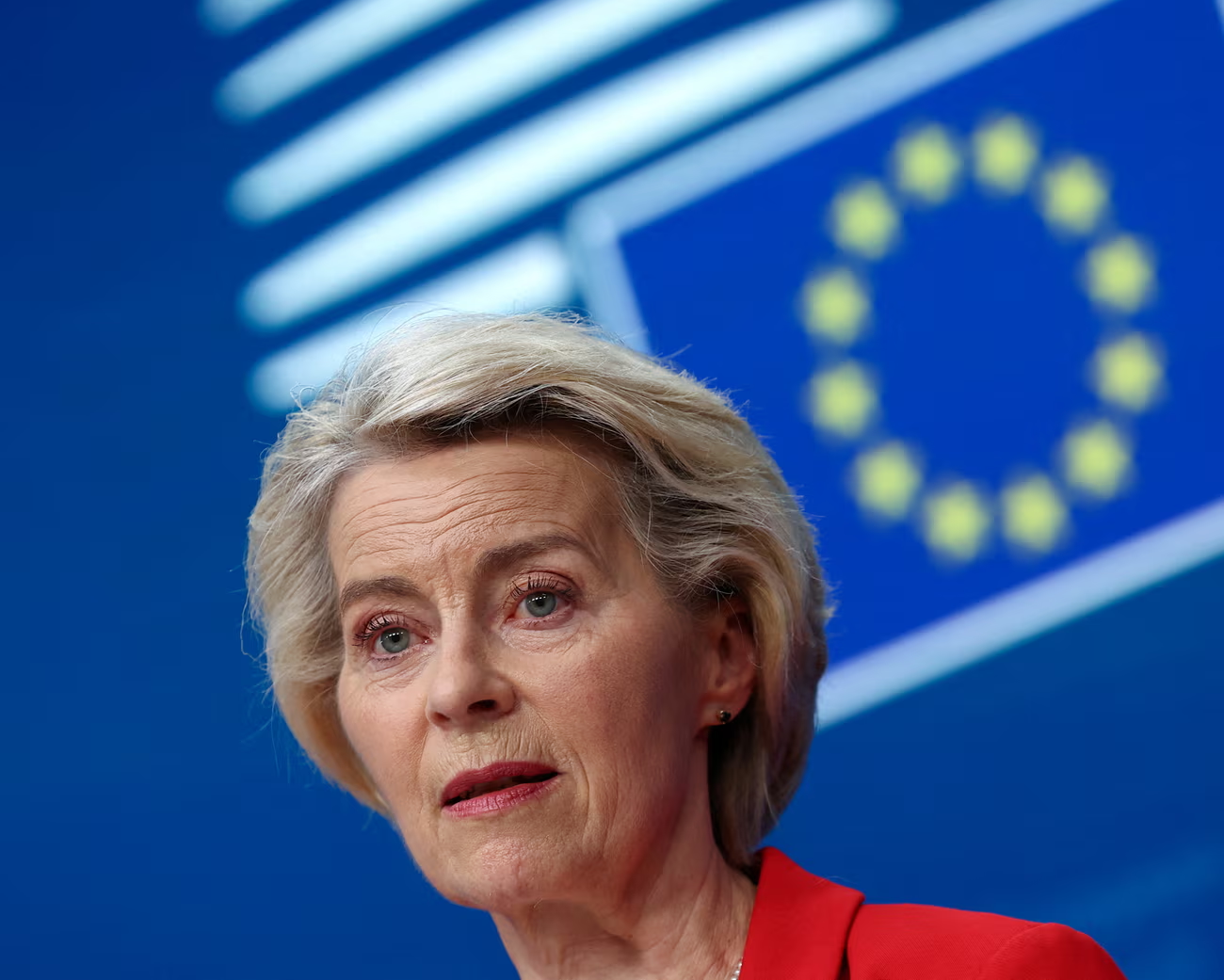

As transatlantic tensions rise, the European Union is bracing itself for potentially turbulent trade negotiations with former U.S. President Donald Trump. With threats of new tariffs looming large, European Commission President Ursula von der Leyen has confirmed that while the EU is open to reaching a fair agreement, it is equally prepared to defend its economic interests. As July 9 approaches—the date Trump has earmarked for slapping steep tariffs on EU goods—the European bloc faces mounting pressure to strike a balance between compromise and safeguarding long-term competitiveness.


I. EU’s Stance on Trade Deal Negotiations
1. Readiness for Agreement with the U.S.
Ursula von der Leyen has made it clear that the EU remains open to negotiating a mutually beneficial trade agreement with the United States. Following the receipt of the latest U.S. proposal, she emphasized the EU’s openness to dialogue while warning that all potential outcomes are being considered. “We are ready for a deal,” she stated, highlighting that the Commission is not ruling out any measures, including defensive ones, if a satisfactory resolution cannot be reached.

2. Concerns Over Escalation and WTO Reform
Beyond bilateral talks, von der Leyen also alluded to a broader ambition: restructuring the World Trade Organization (WTO). She noted that a collaboration between the EU and the CPTPP—an Asia-Pacific trade bloc that includes the UK—could serve as a foundation for reforming global trade rules. Her remarks signal that the EU sees this moment not only as a challenge but as an opportunity to modernize international trade structures.

II. Diverging Views Within the EU
1. Germany Favors Speed Over Perfection
Germany’s newly appointed Chancellor, Friedrich Merz, has urged for a swift, uncomplicated deal to protect industries already facing economic strain. With sectors such as automotive and manufacturing facing tariff pressures, Merz has argued that a less-than-ideal agreement may be better than prolonged uncertainty.
2. France Warns Against Asymmetrical Concessions
In contrast, French President Emmanuel Macron has advocated for a firmer stance, cautioning that an unequal deal could harm the EU’s competitiveness over the long term. He questioned the wisdom of accepting terms that might set a precedent for future negotiations, both with the U.S. and other major economies like China and India.

3. Irish and Spanish Leaders Stress Job Protection and Fairness
Ireland’s Prime Minister Micheál Martin emphasized the importance of providing economic certainty for industries and workers. Meanwhile, Spain’s Pedro Sánchez condemned Trump’s tariff threats as unjust—especially given that Spain currently imports more from the U.S. than it exports.
III. Strategies Being Considered
1. Fast-Track Agreement vs Retaliation
As hope for eliminating the 10% baseline tariff diminishes, EU diplomats appear to be considering two main strategies. One route involves pursuing a rapid agreement to restore market stability. The alternative would be to implement retaliatory tariffs to extract better terms or signal strength in future negotiations. Sources suggest that the final path will depend on developments over the coming weeks.
2. U.S. Reluctance Toward EU Trade Proposals
Despite the EU’s efforts, the U.S. has shown limited interest in proposals such as a “zero-for-zero” deal on industrial goods. Moreover, Washington continues to criticize the EU’s regulatory policies—particularly those related to tech firms and VAT rules. Von der Leyen reiterated that legislative autonomy, especially on matters like the Digital Markets Act, is non-negotiable.
3. Belgium Calls for Calm, Targeted Responses
Belgium’s Prime Minister Bart De Wever urged EU members to avoid escalation. Stressing the need for rationality, he emphasized that any countermeasures would be carefully measured to avoid unnecessary economic damage. This approach appears to align with EU plans to delay tariffs on €21 billion worth of U.S. goods until mid-July while consultations continue.
IV. Industry Reactions and Economic Impact
1. German Industry Expresses Alarm
Friedrich Merz criticized the EU’s approach during an industry summit in Berlin, calling for a narrower focus on key sectors such as automotive, steel, and pharmaceuticals. Echoing these sentiments, Peter Leibinger of the German Federation of Industries (BDI) urged the government to reflect the challenges faced by manufacturers in EU policy circles.
2. Predicted Damage to German Economy
According to the BDI, the proposed U.S. tariffs could cut Germany’s economic growth by 0.3 percentage points, exacerbating an already sluggish recovery. Industrial output remains below 2019 levels, further fueling industry demands for immediate action.
3. Urgency From EU Chief Negotiator
EU chief negotiator Maroš Šefčovič acknowledged the severe pressure on Europe’s automotive sector. He called the proposed 27.5% tariff level “unsustainable” and emphasized the need for unity across EU states. Stressing transparency and collaboration, he invited constructive criticism but urged business leaders to support Brussels in negotiations.
4. Proposal for an Insurance Clause
Šefčovič also revealed plans to seek an insurance provision in any trade agreement. Such a clause would prevent sudden tariff spikes, offering businesses more predictability and reducing market volatility. This proposal reflects a broader EU goal to introduce safeguards that protect long-term economic stability.
Conclusion
The EU stands at a crossroads as it prepares to negotiate with Donald Trump amid heightened trade tensions. While leaders express a willingness to strike a deal, divisions within the bloc and resistance from Washington complicate the path forward. With industries under pressure and economic risks looming, the EU must weigh the benefits of swift compromise against the long-term need for fair, balanced trade relationships. Whether through renewed global alliances or cautious retaliation, Europe is determined to navigate this critical juncture with resilience and strategic foresight.








