







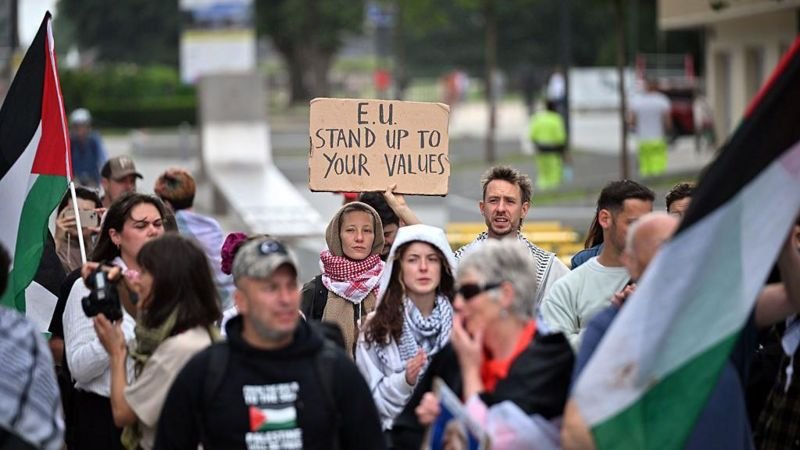


As protesters filled the streets outside European Union institutions in Brussels, waving Palestinian flags and calling for justice, hopes were high. They believed real change might finally be on the horizon. An internal EU report, presented to foreign ministers just ahead of a critical leaders’ summit, indicated that Israel may have violated its human rights commitments under the long-standing EU-Israel Association Agreement.
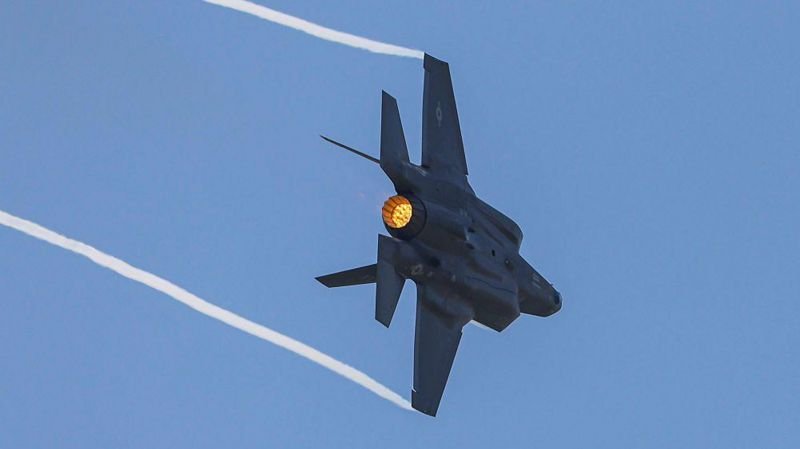

However, despite the damning findings, the European Union stopped short of taking decisive action, leaving many disappointed. Calls to suspend the 25-year-old trade agreement between the EU and Israel were met with political hesitation and internal division among the bloc’s member states.
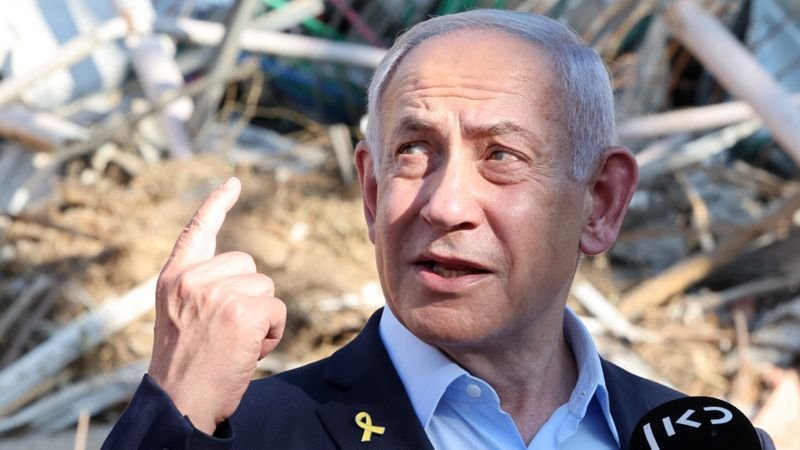
The EU-Israel Association Agreement Under Fire
1. Protesters Demand Accountability
With more than 100 non-governmental organizations and humanitarian groups supporting them, protesters outside EU buildings rallied for change. Their message was clear: the EU must suspend its trade pact with Israel in light of its military actions in Gaza.
This growing pressure stems from the ongoing conflict, in which over 55,000 Gazans have reportedly lost their lives, according to the Hamas-run health ministry. Additionally, around 1.9 million people have been displaced since Israel launched its military campaign in response to the October 7, 2023 Hamas attacks.
2. Humanitarian Crisis Deepens
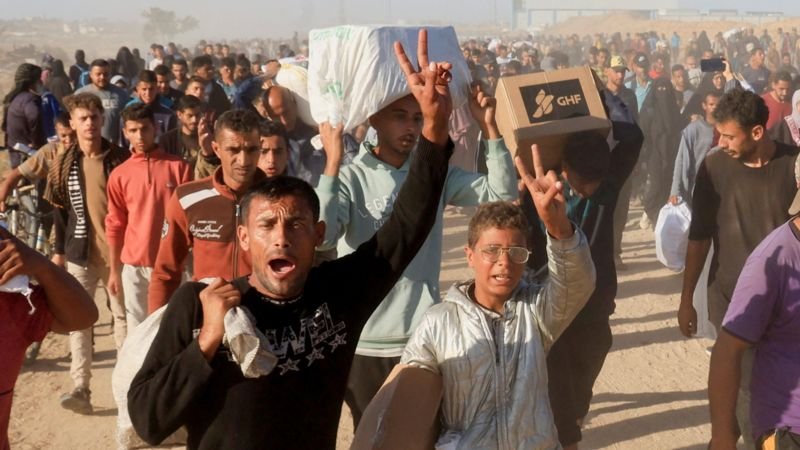
Israel imposed a full blockade on Gaza in early March, cutting off humanitarian aid. Though the blockade was partially lifted 11 weeks later after intense international pressure—particularly from the United States—many say it came too late. The UN reported that over 400 Palestinians were killed while trying to access food distribution sites, with another 90 people killed while approaching aid convoys.
Oxfam’s Agnes Bertrand-Sanz told the BBC, “Every red line has been crossed in Gaza. Every rule has been breached. It’s time for the EU to act.”
II. Political Disunity Paralyzes the EU
1. Member States at Odds
Despite the evidence presented in the EU’s internal report, deep-seated divisions among the 27 member states made decisive action nearly impossible. While some countries—including Ireland, Spain, Belgium, Sweden, and Slovenia—urged an immediate suspension of the agreement with Israel, others strongly opposed it.
Germany, Austria, Hungary, Slovakia, and the Czech Republic expressed reservations or outright rejection of suspending the trade deal. Austria’s Foreign Minister Beate Meinl-Reisinger argued that such a move would harm dialogue with Israel, stating, “It won’t help Gaza. It will only damage current diplomatic efforts.”
2. Germany’s Historical Stance
Germany’s complex relationship with Israel, influenced by its history with the Holocaust, continues to shape its policies. Chancellor Friedrich Merz acknowledged that “the current level of attacks on Gaza can no longer be justified by the fight against Hamas,” yet firmly opposed halting the trade agreement.
This dynamic has led many observers to point out a growing credibility gap within the EU. How can a bloc that positions itself as a global leader in humanitarian aid remain so divided in the face of alleged human rights violations?
III. The Human Toll in Gaza
Reports from international humanitarian organizations paint a bleak picture. Starvation levels have reached critical levels in Gaza. Nearly half a million people are at risk of famine, and attempts to access life-saving aid are often met with violence. International agencies supported by both the U.S. and Israel have become increasingly frustrated by the loss of life surrounding their operations.
Israel, for its part, maintains that its military actions comply with international law and are necessary to eliminate Hamas and recover hostages taken during the October 7 attacks, in which approximately 1,200 people were killed.
IV. EU’s Struggle to Convert Economic Power into Political Influence
The EU is the world’s largest economic bloc, with a market of 450 million consumers and significant trade leverage. Yet its inability to act decisively in Gaza raises questions about whether this economic power translates into real political influence.
Olivier De Schutter, UN Special Rapporteur on human rights, criticized the EU’s muted response: “War crimes are being committed at a massive scale. Whether or not it meets the legal threshold for genocide, the duty to act is unquestionable.”
He warned that the EU’s passivity damages its moral authority, particularly when trying to build support among nations in Africa, Asia, and Latin America on other issues—like Russia’s war in Ukraine.
V. Brussels and the Bottleneck of Consensus
1. Unanimity: A Flawed System?
At the heart of the EU’s foreign policy process lies a significant obstacle: unanimity. Decisions on foreign policy must be agreed upon by all 27 member states, meaning even one dissenting vote can block action. This structural flaw has become increasingly apparent in times of geopolitical crisis.
As a result, even when the majority of EU countries are in favor of taking stronger action against Israel, they are unable to move forward due to opposition from a few member states.
2. Ireland Leads Calls for Accountability
Among the most vocal critics is Ireland’s Foreign Minister Simon Harris, who labeled the EU’s reaction as tragically slow. “Our response has been far too delayed. Far too many lives have been lost as genocide continues,” he said.
Israel has firmly rejected such accusations, and after closing its embassy in Dublin in late 2023, it accused Ireland of antisemitism—a move that further strained diplomatic relations.
Conclusion: Can the EU Reclaim Its Humanitarian Voice?
The European Union now finds itself at a crossroads. As the largest donor of humanitarian aid to Gaza, its credibility is under intense scrutiny. The contrast between its financial support and its lack of unified political action has not gone unnoticed by the global community.
Despite clear evidence of widespread suffering and alleged breaches of international law, the EU has failed to present a united front. Internal divisions and the requirement for unanimous decisions have crippled its ability to act effectively on Gaza.
The review of the EU-Israel Association Agreement was an opportunity to reaffirm its commitment to human rights and international justice. Instead, it became a case study in political inertia.
With more lives at risk and the humanitarian situation in Gaza deteriorating by the day, the EU must decide: will it remain paralyzed by internal politics, or rise to the challenge of being a true global leader for justice and accountability?








