







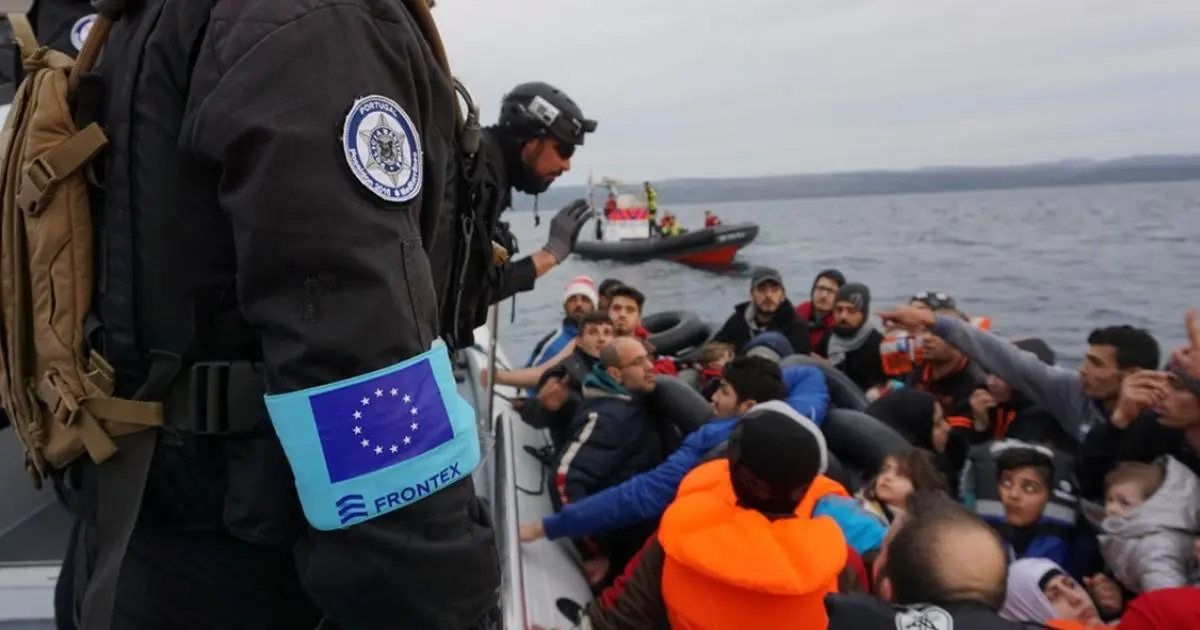


Europe finds itself at a crossroads, grappling with the twin imperatives of controlling its borders and upholding its long-standing commitment to human rights. In recent years, migration pressures—sparked by war, climate change, poverty, and political repression—have tested the limits of the European Union’s (EU) asylum systems, border security frameworks, and foundational values. As states enact tougher border control policies to manage the flow of migrants and asylum seekers, critics argue that the continent risks compromising its moral and legal obligations to protect the vulnerable.

This ongoing struggle reflects deeper tensions within the EU and its member states. It pits sovereignty against solidarity, security against compassion, and political expediency against legal principle. This essay explores the complex challenge of balancing border control with human rights obligations in Europe, tracing the causes, consequences, and future directions of this multifaceted issue.
The Roots of the Migration Challenge
Migration to Europe is not a new phenomenon. But the scale and nature of recent migration waves have caught many governments unprepared. Key drivers include:
-
Conflict zones: Civil wars in Syria, Libya, and Afghanistan have driven millions from their homes.
-
Authoritarian repression: People fleeing from regimes in Eritrea, Iran, or Belarus.
-
Climate change: Droughts and natural disasters in Africa and Asia are displacing communities.
-
Economic inequality: Many migrants seek better opportunities in more prosperous EU nations.
The 2015–2016 refugee crisis marked a turning point, with over one million people arriving in Europe, mostly via the Mediterranean. The crisis exposed deep rifts among EU states and overwhelmed asylum systems in frontline countries like Greece, Italy, and Hungary.
Border Control: A Growing Priority
In response to growing migration pressure, European nations have prioritized border security. This has taken many forms:
-
Fortifying External Borders: Countries have built fences, walls, and high-tech surveillance systems. Hungary, Bulgaria, and Greece have all erected physical barriers.
-
Expanding Frontex: The EU’s border agency, Frontex, has been given greater powers, funding, and personnel. It now plays a central role in coordinating border management and repatriation efforts.
-
Third-Country Agreements: The EU has entered into controversial deals with non-EU countries, such as:
-
The EU-Turkey Deal (2016): Turkey agreed to prevent asylum seekers from crossing into Greece in exchange for financial aid and political concessions.
-
Libya Cooperation: EU funds support the Libyan Coast Guard to intercept migrants at sea and return them to Libya.
-
-
Tightening Asylum Laws: National governments have adopted stricter rules on who can claim asylum and how claims are processed.
These measures have reduced irregular crossings in some regions but have raised serious human rights concerns.
Human Rights Under Pressure
The European Convention on Human Rights (ECHR) and EU Charter of Fundamental Rights bind member states to uphold the rights of all individuals, including migrants and asylum seekers. Key rights include:
-
Right to asylum
-
Protection from torture or inhumane treatment
-
Right to family life
-
Non-refoulement: The principle that refugees cannot be returned to a place where they face serious threats
However, human rights watchdogs, NGOs, and international organizations have documented widespread violations. Among them:
-
Pushbacks at Borders: Migrants report being violently expelled from EU borders without the chance to seek asylum. Greece, Croatia, and Hungary have faced repeated accusations of unlawful pushbacks.
-
Detention in Inhumane Conditions: Migrants are sometimes held in overcrowded, unsanitary camps or detention centers with limited access to medical care, legal assistance, or basic services.
-
Externalization and Offshore Responsibility: Outsourcing border control to countries like Libya—where migrants face abuse, torture, and slavery—raises ethical and legal concerns.
-
Racial and Ethnic Discrimination: Migrants from Africa and the Middle East often face harsher treatment than others. The swift acceptance of Ukrainian refugees has highlighted discrepancies in how Europe treats displaced people based on race or origin.
These practices call into question the EU’s commitment to upholding the rule of law and human dignity.
The Role of the EU and Its Member States
The EU faces a difficult challenge: migration management is a shared responsibility, but the willingness of member states to cooperate has been uneven. Key points of tension include:
Burden Sharing
Frontline countries like Italy, Greece, and Spain have called for a fairer distribution of asylum seekers. However, countries in Central and Eastern Europe—such as Poland and Hungary—have resisted binding quotas, citing concerns about cultural integration and national security.
The lack of solidarity has led to ad hoc arrangements and a patchwork of policies that undermine the common European asylum system.
Legal and Policy Frameworks
The Dublin Regulation, which requires asylum seekers to apply in the first EU country they enter, has proven unworkable in large migration waves. Reforms have been proposed to create a more balanced and humane asylum system, but political disagreements have stalled progress.
The EU’s New Pact on Migration and Asylum, unveiled in 2020, aims to reset the system, offering a mix of:
-
Faster border screening
-
Asylum procedure harmonization
-
Return sponsorships for failed applicants
However, critics argue it still prioritizes border enforcement over protection rights.
Case Studies
Greece
As a frontline state, Greece has hosted thousands of migrants in overcrowded island camps like Moria, where fires, disease, and inadequate infrastructure have drawn international criticism. Allegations of pushbacks in the Aegean Sea, often involving Frontex, have further tarnished the country’s human rights record.
Italy
Italy has taken a hardline stance in recent years, with right-wing leaders such as Matteo Salvini closing ports to NGO rescue ships. Although Italy has worked with Libya to curb sea crossings, this partnership has been condemned for returning migrants to unsafe conditions.
Poland and Belarus
In 2021, thousands of migrants—mainly from the Middle East—were stranded at the Belarus-Poland border, accused of being pawns in a geopolitical crisis. Poland responded by building a border wall and denying access to humanitarian groups, raising alarms about humanitarian violations.
NGOs and Civil Society: Guardians of Rights
In the face of state overreach, non-governmental organizations (NGOs) and civil society actors play a critical role in defending migrants’ rights. These groups:
-
Provide legal aid and psychological support
-
Conduct rescue operations in the Mediterranean
-
Document human rights violations
-
Challenge unlawful policies in court
However, many governments have sought to criminalize or obstruct their work, accusing NGOs of facilitating illegal migration. The shrinking space for civil society further undermines rights-based governance.
Public Opinion and Political Pressures
European leaders often walk a tightrope between legal obligations and political realities. Public opinion on migration is deeply divided:
-
Many citizens support humanitarian assistance and recognize the contributions of migrants.
-
Others, influenced by media portrayals or economic concerns, back tougher policies and nationalist rhetoric.
Far-right and populist parties have capitalized on these divisions, framing migration as a threat to national identity, security, and social cohesion. This dynamic has made rational policy discussions more difficult and fueled a cycle of escalating restrictions.
The Human Cost
Lost in the political debates are the human lives at the center of the crisis. Every year, thousands of migrants die trying to reach Europe, often in unseaworthy boats or treacherous land routes. Survivors face trauma, legal limbo, and uncertain futures.
Children are particularly vulnerable. Many are unaccompanied, subject to exploitation, and denied access to education or health care. The EU’s own Fundamental Rights Agency has warned of “chronic underprotection” of migrant minors.
Toward a Rights-Based Migration System
A sustainable approach to migration must balance legitimate security concerns with humanitarian principles. Key steps include:
-
Creating Safe and Legal Pathways: Expanding resettlement programs, humanitarian visas, and labor mobility options can reduce irregular migration and human trafficking.
-
Reforming the Asylum System: Building a fair and efficient process with adequate support for frontline states and protection for claimants.
-
Accountability for Violations: Independent investigations into pushbacks, abuses, and failures of protection are essential for restoring trust.
-
Support for Integration: Long-term solutions must include education, housing, and job opportunities for migrants to contribute to host societies.
-
International Cooperation: Migration is a global issue. Partnerships with countries of origin and transit, guided by development and human rights—not just deterrence—are crucial.
Conclusion
Europe stands at a defining moment. The challenge of managing migration is real, complex, and politically fraught. But it is also a test of Europe’s identity: will the continent remain true to its human rights values, or will it retreat behind walls and legal fictions?
Balancing border control with human rights is not a zero-sum game. It requires vision, courage, and cooperation—across borders and political divides. The choice Europe makes today will shape not only its migration future but also the legacy of its commitment to human dignity.








