





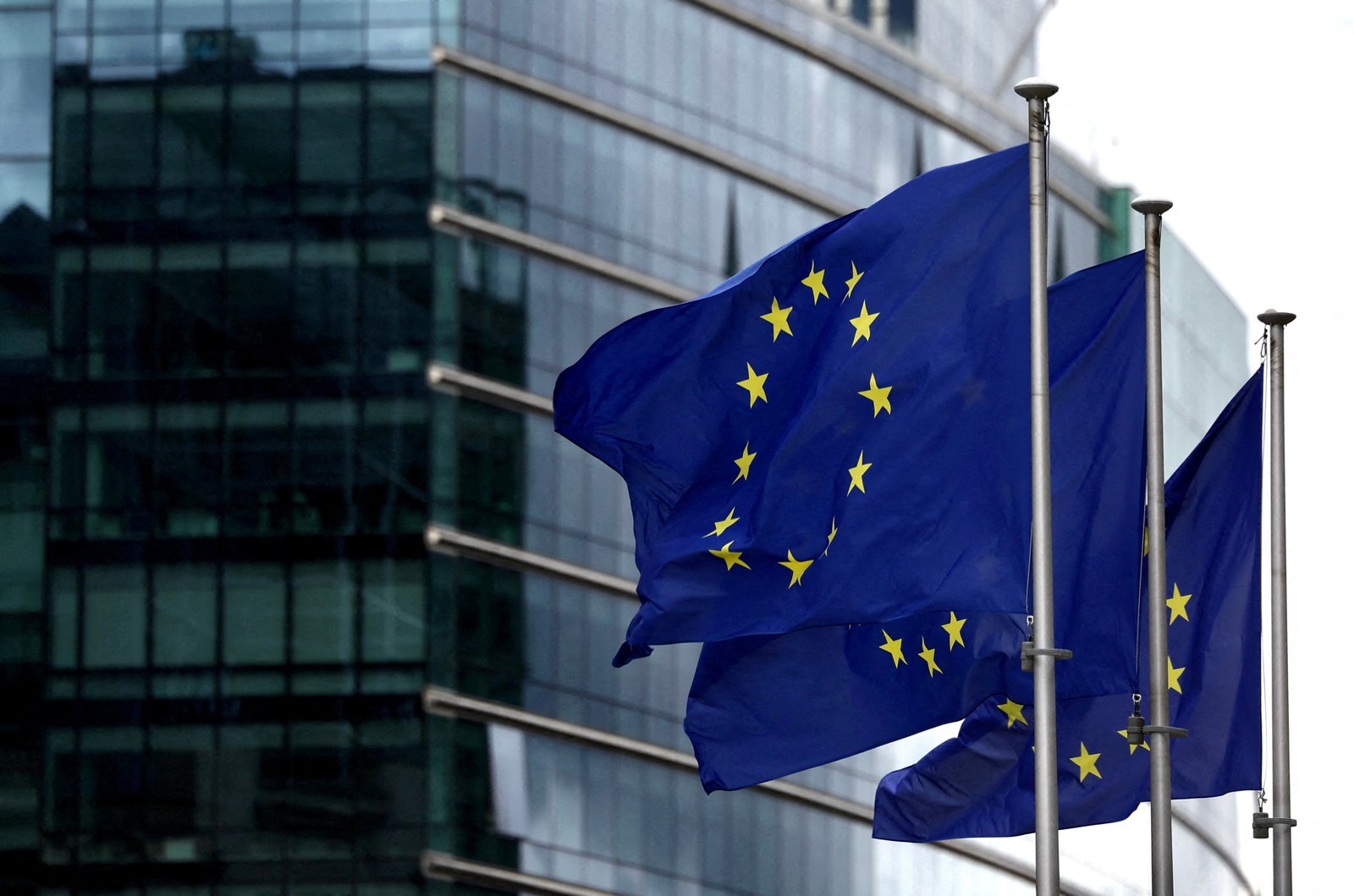


In an unprecedented step toward enforcing global environmental responsibility, the European Union (EU) has announced and begun the phased implementation of the Carbon Border Adjustment Mechanism (CBAM)—widely referred to as the carbon border tax. This bold climate initiative is aimed squarely at addressing the issue of “climate dumping,” where goods produced in countries with lax environmental laws are imported cheaply, undercutting local industries that are bound by stricter environmental standards.

The new mechanism, hailed as both visionary and controversial, marks a dramatic shift in how global trade intersects with climate accountability. It is poised to change not only the way goods are priced and traded internationally but also how nations calibrate their environmental ambitions in the face of economic competition.

Understanding Climate Dumping and the Need for CBAM
Climate dumping refers to a practice in which companies move production to countries with weaker environmental regulations or where emissions are not penalized, effectively “dumping” high-emission goods onto global markets. These goods, while cheaper to produce, come at the cost of greater carbon pollution and environmental degradation.
For years, the EU has been concerned that its ambitious climate goals—especially its Emissions Trading System (ETS), which prices carbon emitted by European industries—could be undermined by carbon leakage. This occurs when EU companies move their operations abroad to escape the carbon costs, or when cheaper, more polluting imports flood European markets.

The CBAM aims to fix this imbalance by extending the carbon price to imported goods. If a foreign producer hasn’t paid for the carbon emitted in producing their product, the EU will levy a tax upon import. This makes the “polluter pays” principle not only local, but global in scope.
Which Products Are Affected?
The CBAM is being introduced in stages. In its initial phase, it covers carbon-intensive sectors that are most at risk of carbon leakage, including:
-
Iron and steel
-
Cement
-
Aluminum
-
Fertilizers
-
Hydrogen
-
Electricity generation
These sectors represent a large share of global industrial emissions. By targeting them, the EU intends to maximize early impact and set a template for future expansions into other goods.
In time, the CBAM may grow to include chemicals, glass, ceramics, and even certain agricultural products, depending on carbon intensity and data availability.
How the CBAM Works
The implementation of the CBAM began in October 2023, with a transition period during which importers must report the emissions embedded in their products but are not yet required to pay. This phase is meant to gather data, fine-tune regulations, and educate stakeholders.
Starting in 2026, importers of covered goods will have to purchase CBAM certificates. These certificates will reflect the carbon price that would have been paid if the goods were produced under the EU ETS. However, if a producer in a foreign country has already paid a carbon price at home, that cost will be deducted from the final CBAM charge, incentivizing the global adoption of carbon pricing mechanisms.
For example, if a steel manufacturer in India emits 2 tons of CO₂ per ton of steel and pays no carbon tax, their EU importer would need to purchase CBAM certificates equivalent to those 2 tons at the current EU carbon price. But if a similar producer in Canada already pays for 1 ton, only 1 ton would be charged upon EU entry.
Global Trade Implications
Unsurprisingly, the CBAM has caused ripples across international markets. Many developing countries see it as a disguised form of protectionism, designed to shield European industries under the cover of climate action. Countries like India, South Africa, Turkey, Brazil, and Russia have expressed concern that the tax violates WTO rules and disproportionately affects emerging economies.
On the other hand, several developed countries and blocs, including Canada, Japan, and the United Kingdom, are exploring similar measures or coordinating with the EU on carbon accounting standards. Even the United States, under the Inflation Reduction Act, is considering climate-adjusted trade rules.
The EU insists that the CBAM is WTO-compliant, arguing that it treats foreign and domestic producers equally. EU companies already pay for their emissions under the ETS, and CBAM merely ensures that imported goods are not advantaged by avoiding carbon costs.
Climate and Economic Goals Aligned
The CBAM aligns with the EU’s broader objective of becoming the first climate-neutral continent by 2050. The carbon border tax is not just about fairness in trade; it’s a strategic policy to ensure that decarbonization efforts are not diluted or undermined by global trade patterns.
It also supports the EU Green Deal, a sweeping plan to reduce greenhouse gas emissions by 55% by 2030 (from 1990 levels), restructure the energy grid, reform transport, and modernize industries.
The revenue generated from CBAM could also play a crucial role in financing climate investments, both within Europe and potentially abroad. Although there’s ongoing debate on where the money should go, some proposals suggest earmarking funds for green development aid to help poorer nations adapt to climate change.
Challenges of Implementation
While the CBAM is conceptually powerful, implementing it poses several challenges:
1. Measuring Embedded Emissions
It is extremely difficult to track and verify the emissions associated with a single ton of imported cement or aluminum. Accurate data depends on transparency from foreign producers, reliable methodologies, and potential third-party verification.
2. Administrative Burden
For importers, especially small and medium-sized enterprises (SMEs), the process of tracking, reporting, and paying for embedded emissions can be complex and costly.
3. Retaliation Risk
Major trading partners could retaliate with their own tariffs or bring disputes to the World Trade Organization, leading to a new kind of “carbon trade war.”
4. Support for Developing Countries
If not carefully managed, CBAM could create economic hardship for low-income countries dependent on exports. The EU will need to balance enforcement with technical and financial support for climate-friendly transitions.
A Global Carbon Price in the Making?
Some experts see CBAM not as a barrier, but as a catalyst—a step toward a global carbon pricing architecture. By creating financial consequences for high-emission exports, the EU is encouraging other countries to price their own emissions to avoid being penalized in European markets.
In this way, CBAM could accelerate the spread of emissions trading systems, carbon taxes, and climate regulation harmonization around the world.
Already, China has launched a national ETS, and many other countries are considering or strengthening their own systems in response to CBAM’s pressure.
Industrial Response and Innovation
European industries have generally supported CBAM, especially sectors like steel and aluminum, which face fierce international competition. Many view the mechanism as necessary to maintain competitiveness while decarbonizing.
At the same time, CBAM could stimulate innovation globally. If exporters want to remain competitive in the EU market, they’ll need to invest in low-carbon production techniques, including:
-
Green hydrogen for steelmaking
-
Electrified kilns for cement
-
Carbon capture and storage (CCS)
-
Circular economy and recycling practices
This is precisely the outcome the EU hopes for: to drive a green industrial revolution, both inside and outside its borders.
Global Climate Leadership or Green Colonialism?
The debate around CBAM also touches on ethics and equity. Critics accuse the EU of climate imperialism—forcing poorer nations to adhere to standards they can’t yet afford. They argue that historical emitters (i.e., developed nations) bear more responsibility and that mechanisms like CBAM could further entrench global inequality.
In response, the EU has promised capacity-building programs, technical partnerships, and climate finance to help developing nations transition their industries.
Still, the broader conversation remains: Can the EU lead on climate without appearing coercive? Can CBAM be both effective and equitable?
Conclusion: A Climate Policy Worth Watching
The Carbon Border Adjustment Mechanism is one of the most innovative, far-reaching, and controversial climate policies ever attempted by a major economic bloc. By linking carbon responsibility to market access, the EU is testing whether climate goals can be enforced through trade policy.
If successful, CBAM could:
-
Reduce global emissions
-
Encourage universal carbon pricing
-
Prevent carbon leakage
-
Strengthen industrial decarbonization
-
Lead toward a greener global economy
But if mishandled, it could spark trade disputes, hurt developing economies, and polarize global climate action.
In the years ahead, all eyes will be on the EU to see whether it can balance ambition with fairness, drive international cooperation, and show that economic integration and climate responsibility are not mutually exclusive—but fundamentally linked.