





The World Health Organization has denounced a deadly attack on a hospital in West Kordofan, Sudan, which reportedly claimed more than 40 civilian lives. As Sudan’s civil war intensifies, this incident—alongside a mounting humanitarian crisis—has prompted global outrage and renewed demands for the protection of medical facilities.


I. A Hospital Under Siege
1. The Attack at al‑Mujlad Hospital
On Saturday, al‑Mujlad hospital, located near the battlefield frontline, was struck in an assault that killed at least 40 civilians, including six children and five health workers, according to WHO’s Sudan office. Dozens more were wounded, and the facility suffered severe damage, thwarting essential medical services.

2. WHO’s Outcry
WHO Director-General Tedros Adhanom Ghebreyesus called the event “appalling,” posting on X: “We cannot say this louder: attacks on health must stop everywhere!”.
II. Conflicting Claims Between Warring Factions
1. RSF Accusations and Denials
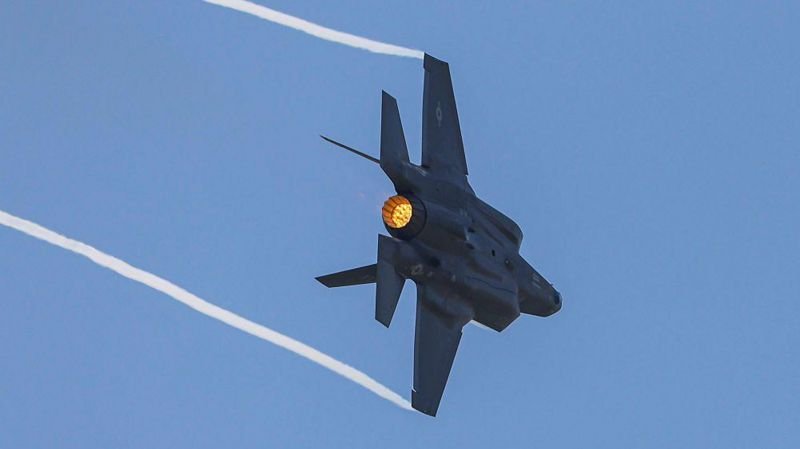
The Rapid Support Forces (RSF) swiftly accused the Sudanese Armed Forces (SAF) of carrying out an airstrike—warning that such acts violate international humanitarian law. Civil society groups echoed this claim, alleging it was either a military plane or drone strike. However, army spokesperson Nabil Abdallah refuted the accusations, stating SAF targets only militia positions, not civilians.
2. Evidence from Rights Observers
Human rights group Emergency Lawyers pointed to a military drone being used in the assault. Darfur 24 and other local networks reported an airstrike via Sudanese military aircraft.
III. Deepening Humanitarian Crisis
1. War’s Worsening Toll
Sudan’s civil war—sparked when the RSF and SAF clashed in April 2023—has resulted in tens of thousands of deaths, devastated progress, displaced over 12 million people (including 4 million who fled abroad), and created famine-level food shortages affecting 20 million.
2. Attacks as a Pattern
This is not an isolated incident. In January, 70 individuals died in an airstrike on a Darfur hospital, while a UN aid convoy delivering food to El Fasher was attacked in early June, resulting in five deaths.
IV. International Reactions and Warnings
1. UN and WHO Condemnations
Both WHO and UNICEF have urged parties to respect international humanitarian law. UNICEF warned these attacks are devastating civilians and hindering access to vital services.
2. Genocide Risk Acknowledged
Virginia Gamba, the UN special adviser on genocide prevention, told the Human Rights Council that both RSF and SAF have committed serious violations. She highlighted ongoing ethnically motivated assaults in Darfur, urging that the potential for genocide and war crimes remains alarmingly high.
V. Breakdown of Healthcare
1. Facility Collapse
According to WHO, nearly 80% of conflict-zone hospitals are out of service. In Khartoum, 52 facilities have been shut down, and critical wards bombed or seized by fighting factions.
2. Rising Child Vulnerability
Reports indicate alarming levels of malnutrition, disease, and exploitation among children. UNICEF notes the war has disproportionately harmed young people—exacerbating famine conditions and depriving them of education and basic care .
VI. The Health Toll of Civil Conflict
1. Medical Staff at Risk
Doctors, nurses, and patients continue to be injured or killed. The destruction of hospitals has stripped communities of care and forced many to rely on under-resourced makeshift facilities.
2. International Law in Question
Repeated hospital strikes suggest a blatant disregard for international conventions protecting medical infrastructure. Critics suggest these may rise to war crimes or crimes against humanity if left unchecked.
Conclusion
The assault on al‑Mujlad Hospital stands as yet another tragic episode in Sudan’s unfolding humanitarian catastrophe. Beyond the immediate loss of life, it threatens to collapse the country’s health system and inflict enduring suffering on civilians—especially children. Amid competing accusations, one demand is unanimous: medical facilities must not be targets. As Sudan endures its third year of conflict, the international community must urgently reinforce protections for healthcare services and hold perpetrators to account.