









France acknowledged on Friday that China’s recent move to ease tensions over a dispute surrounding European brandy imports was a welcome development. However, Paris emphasized that several critical matters still require resolution.
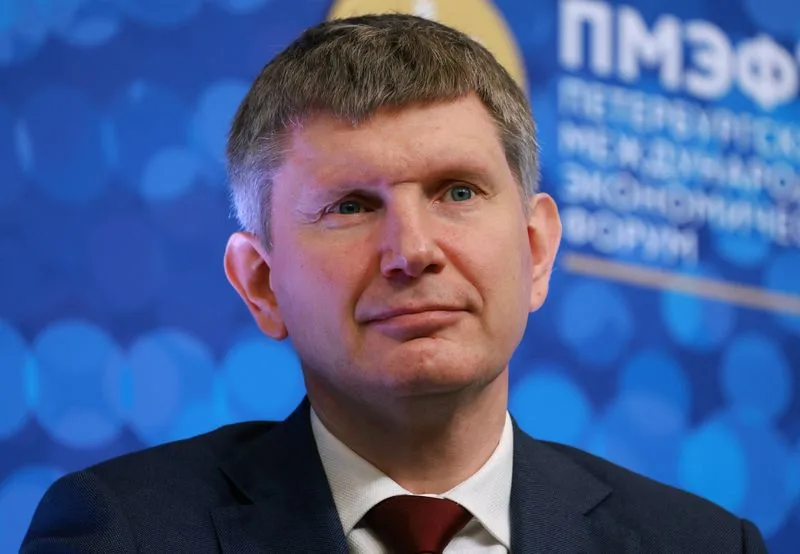

The progress came during Chinese Foreign Minister Wang Yi’s diplomatic visit to Paris, where he met with French President Emmanuel Macron and Foreign Trade Minister Jean-Noel Barrot. The dispute is part of a broader conflict between Beijing and the European Union over industrial subsidies and trade imbalances.
Last year, Beijing initiated an anti-dumping probe into EU brandy imports. This followed the European Union’s earlier investigation into Chinese subsidies for electric vehicles.
Beginning Saturday, China will impose anti-dumping tariffs—up to 34.9%—on European brandy unless exporters agree to raise their prices.

I. Easing Tensions Through Price Agreement
1. Minimum Price Deal Avoids Steep Tariffs
According to Beijing, 34 European producers—many of them French cognac brands—have signed a pricing agreement. This pact exempts them from the impending tariffs as long as they commit to maintaining a fixed minimum price for brandy exports to China.
2. French Industry Players Confirm Compliance
The BNIC, the French cognac trade group representing key producers like Hennessy, Remy Cointreau, and Martell, confirmed that some member companies had agreed to increase their export prices to meet the new Chinese requirements and avoid the punitive duties.
II. Diplomatic Dialogue Continues
1. Macron and Barrot Welcome Progress with Caution
President Macron described the development as “a positive step” that could de-escalate tensions and protect France’s liquor exports. Writing on X (formerly Twitter), he also stated his intention to continue discussing unresolved matters with Chinese officials.
2. Ongoing Concerns Over Fairness
Minister Barrot, in a statement to AFP, pointed out that certain producers were excluded from the exemption deal. He stressed that France remained committed to restoring trade terms to their pre-investigation state and would push for a fairer resolution.
3. No Brandy Mention in Official Talks
Following their meetings, Wang Yi noted the “sincere and constructive exchanges” between the two sides regarding broader China-France and China-EU relations. However, no direct reference was made to the brandy dispute during the joint press statement.
III. Trade Stakes and Industry Impact
1. Cognac Dominates EU Brandy Exports
Nearly all brandy shipped from the European Union to China is French cognac. These exports are valued at approximately €1.4 billion ($1.6 billion) annually. The potential tariffs would significantly affect this lucrative trade.
2. Company-Specific Tariff Rates
If producers do not comply with the price agreement, Hennessy faces a 34.9% tariff, Remy Martin 34.3%, and Martell 27.7%, according to figures disclosed by the Chinese authorities.
3. China Emphasizes Diplomatic Intentions
A spokesperson for China’s Ministry of Commerce stated that the price deal underscores Beijing’s desire to settle trade conflicts through “dialogue and negotiation,” rather than confrontation.
IV. EU Pushback and Broader Trade Tensions
1. EU Maintains Position on China’s Measures
The European Commission voiced strong disapproval of Beijing’s tariff threat. Trade spokesperson Olof Gill labeled the measures as “unjustified” and “inconsistent with international trade laws.”
2. EU-China Summit Amid Broader Disagreements
While both sides are preparing for a diplomatic summit later this month to celebrate 50 years of diplomatic ties, underlying tensions remain. These include a €357 billion ($357.1 billion) trade imbalance and Beijing’s ongoing ties with Moscow amid the war in Ukraine.
3. Escalating Retaliation Over Subsidies
The current friction began when the EU imposed up to 35% in tariffs on Chinese electric vehicle imports, citing unfair competition due to government subsidies. In response, Beijing launched investigations into EU pork, dairy, and brandy imports.
4. WTO Complaint and Summit Uncertainty
China challenged the EU’s tariffs at the World Trade Organization, which in April agreed to convene a panel of experts to assess the issue. According to Bloomberg News, China may cancel the second day of the upcoming summit, possibly signaling continued discontent with the EU.
Conclusion
While the agreement between some European brandy producers and Beijing offers a temporary reprieve from costly tariffs, substantial concerns persist. French leaders remain wary of unresolved issues, particularly the exclusion of some exporters from the exemptions. As China and the EU prepare for a high-level summit, the brandy dispute highlights broader economic and political tensions that are far from settled.