









Efforts to broker a ceasefire in the war-torn Gaza Strip have gained momentum, with international mediators ramping up their involvement. A senior Hamas official confirmed to the BBC that talks are ongoing, though no breakthrough has yet been achieved. This development comes in the wake of recent deadly exchanges between Israel and Hamas, including intense airstrikes and bombings. While U.S. President Donald Trump has expressed optimism, stating that “great progress” is being made, key sources on both sides acknowledge that the road to a ceasefire remains steep and uncertain.

I. The Latest: Renewed Push for a Gaza Ceasefire
1. U.S. Involvement and Optimistic Statements
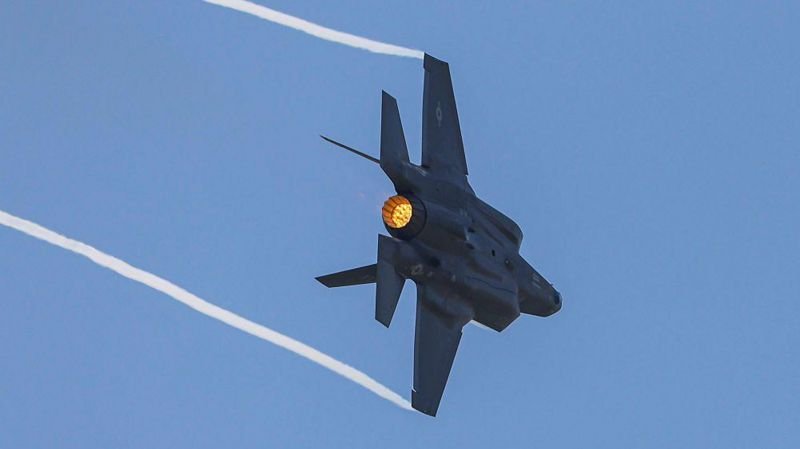
In a press briefing held in Brussels, President Donald Trump voiced confidence in the progress of ceasefire negotiations between Israel and Hamas. He credited the momentum to the U.S. military’s recent strikes on Iranian nuclear facilities, which were carried out during the broader Israel-Iran conflict that lasted 12 days. Trump claimed that his envoy, Steve Witkoff, had informed him of a potential agreement that was “very close.”
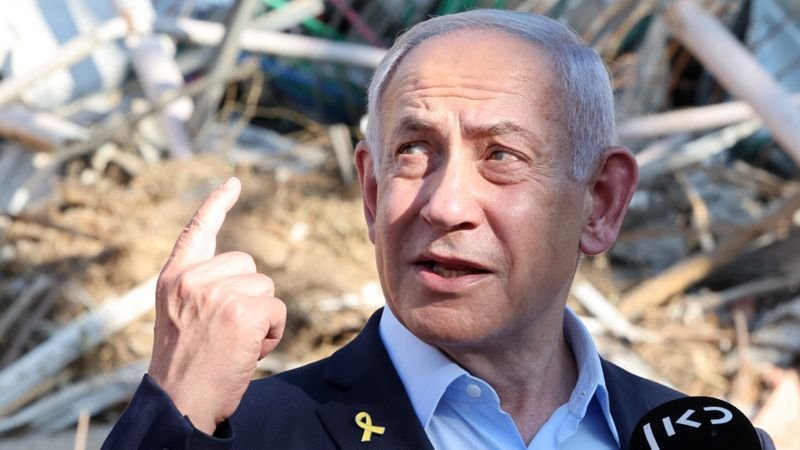
“I think we’re going to have some very good news,” said Trump. “Steve Witkoff told me that Gaza is very close.”
While these statements sparked hope in diplomatic circles, officials involved in the talks cautioned that substantive challenges persist.
2. Hamas Confirms Active Mediation But Denies New Proposals
Shortly after Trump’s remarks, a senior Hamas representative spoke with the BBC, confirming that mediators were actively pursuing a resolution. According to the official, intensive contacts were underway to reach a ceasefire agreement and facilitate the release of hostages.
However, he also clarified that Hamas had not received any formal new proposal at the time, suggesting that while efforts are ongoing, they remain preliminary and incomplete.
II. On the Ground: Violence Continues Despite Diplomatic Push
1. Civilian Casualties in Gaza
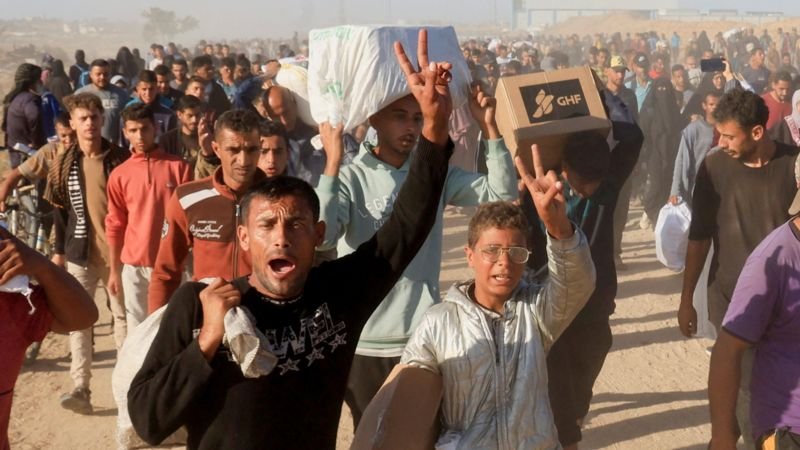
Even as diplomatic conversations unfold, violence in Gaza shows no sign of abating. On Wednesday, Israeli airstrikes reportedly killed at least 45 Palestinians, according to the Hamas-run health ministry. Among the dead were civilians who had gathered to receive humanitarian aid—an increasingly rare resource as Gaza continues to suffer from widespread destruction and resource shortages.
2. Hamas Attack Kills Israeli Soldiers
In a retaliatory move, Hamas claimed responsibility for a bomb attack on Tuesday that killed seven Israeli soldiers. The Israeli military confirmed the casualties, highlighting the ongoing tit-for-tat nature of the conflict. This incident further complicates ceasefire efforts, as both sides continue to escalate militarily while simultaneously engaging in behind-the-scenes diplomacy.
III. The Role of International Mediators
1. A History of Mediation Efforts
The current round of negotiations is being facilitated by several international players, including Egypt, Qatar, and the United States. These mediators have historically played crucial roles in de-escalating tensions between Israel and Hamas, often through backchannel communications and shuttle diplomacy.
Despite these efforts, past ceasefire agreements have frequently broken down, particularly when underlying issues such as territorial disputes, security concerns, and economic blockades are not addressed.
2. Political Challenges on Both Sides
On the Israeli side, internal politics often influence the negotiation process. Any agreement with Hamas could trigger backlash from more conservative factions within the Israeli government, who oppose any perceived concessions to the group.
For Hamas, leadership must balance the demand for an end to violence with pressure from within Gaza, where civilians suffer immense hardship due to the blockade and constant military strikes. The group’s reputation among Palestinians depends on both its ability to resist Israeli military actions and secure basic necessities for its people.
IV. Why the Ceasefire Matters Now
1. Humanitarian Crisis in Gaza
Gaza is currently facing one of the most severe humanitarian crises in recent history. Access to food, clean water, electricity, and medical supplies is extremely limited. Hospitals are overwhelmed, and large portions of the population are internally displaced due to airstrikes and shelling.
A ceasefire would not only halt the bloodshed but also potentially allow humanitarian organizations to deliver critical aid. It could also open the door for longer-term solutions addressing Gaza’s infrastructure and governance challenges.
2. Regional Stability at Risk
The recent conflict between Israel and Iran, which overlapped with the escalation in Gaza, has raised alarm about a potential broader regional war. Though that 12-day conflict ended earlier this week, the danger of renewed hostilities looms large.
International observers fear that without a lasting ceasefire in Gaza, instability could spread throughout the Middle East, dragging in more countries and complicating existing alliances and peace efforts.
V. Contradictions and Confusion: Mixed Messages from All Sides
1. No Consensus Yet
Despite President Trump’s confident statements and ongoing mediation, sources from both Israel and Hamas have poured cold water on claims that an agreement is imminent. An Israeli official told Haaretz that no tangible progress had been made and that significant issues remained unresolved.
This disconnect between political rhetoric and on-the-ground realities highlights a recurring issue in ceasefire negotiations: while leaders may signal willingness to talk, entrenched positions and distrust often stall concrete outcomes.
2. Propaganda and Public Perception
Both sides have a vested interest in controlling the narrative. For Israel, downplaying setbacks and projecting strength can maintain domestic political support. For Hamas, emphasizing resistance and resilience bolsters its standing among Palestinians.
This tug-of-war over public perception can often hinder compromise, as neither side wants to appear weak or desperate—especially when ceasefires involve sensitive topics like prisoner exchanges or territorial arrangements.
Conclusion: A Fragile Hope for Peace
The renewed push for a ceasefire between Israel and Hamas offers a glimmer of hope, but significant obstacles remain. Diplomatic efforts, led by international mediators and supported by the U.S., are ongoing yet fragile. While President Trump’s optimistic tone suggests progress, both Israeli and Hamas officials remain cautious and have acknowledged that no new concrete proposals have emerged.
On the ground, the situation remains dire. Civilian casualties continue to mount, infrastructure is in ruins, and entire communities are living in fear. Every day without a ceasefire brings new tragedies and deepens the humanitarian crisis.
A sustainable peace will require more than temporary truces. It will demand addressing the root causes of the conflict, rebuilding trust, and ensuring that both sides feel heard and secure. Until then, the people of Gaza and Israel remain trapped in a cycle of violence and uncertainty, waiting for the words spoken in diplomatic corridors to finally translate into lasting peace.








