







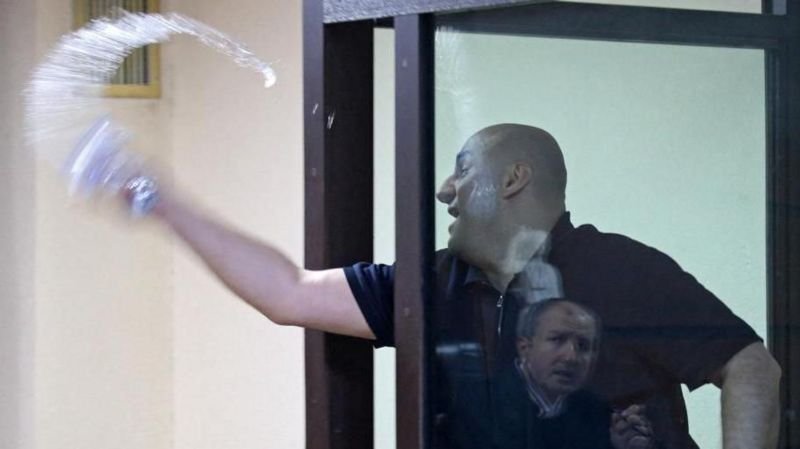


In a dramatic escalation of political tensions, Georgian opposition leader Nika Melia was recently sentenced to eight months in jail, becoming the latest in a series of high-profile detentions that observers describe as an unprecedented assault on Georgia’s democracy. This crackdown comes amid months of unrest following contested elections and the government’s decision to halt the country’s bid to join the European Union. With the majority of pro-Western opposition figures now imprisoned or detained, the South Caucasus nation finds itself in the throes of a deepening political crisis.

I. The Wave of Arrests and Political Repression
1. High-Profile Opposition Leaders Jailed
Nika Melia, head of the Coalition for Change, was sentenced in Tbilisi alongside former opposition MP Givi Targamadze, who received a seven-month term. Both were convicted of refusing to testify before a parliamentary investigative commission, a charge that has led to a two-year ban from holding public office. Melia accused the government of attempting to crush the spirit of the Georgian people, highlighting the political nature of the prosecutions.
2. Broader Crackdown on Opposition
Within days, sentences were handed down to four additional opposition leaders, including Giorgi Vashadze and Zurab Japaridze, as well as Badri Japaridze and Mamuka Khazaradze—both former bankers turned politicians. Several others, such as Nika Gvaramia and a former defense minister, remain in pre-trial detention. Transparency International has condemned the sweeping actions as “the most severe democratic collapse in Georgia’s post-Soviet history,” calling it a “full-scale authoritarian offensive” by the ruling Georgian Dream party, headed by billionaire Bidzina Ivanishvili.
II. Political Context and Public Reaction
1. Electoral Disputes and EU Bid Halt
The crisis escalated following last October’s elections, which the opposition denounced as rigged. In protest, opposition parties boycotted parliament. When the European Parliament declared the elections neither free nor fair, the government responded by suspending Georgia’s EU membership application. Since then, nightly protests in Tbilisi have demanded new elections and the release of political prisoners detained during pro-EU demonstrations.
2. Government Justification and Parliamentary Commission
The ruling party established a parliamentary commission to investigate alleged crimes by the previous government, focusing on the period leading up to the 2008 war with Russia. Refusal to testify before this commission is a criminal offense, but opposition leaders reject the inquiry as politically motivated. Prime Minister Irakli Kobakhidze defended the commission’s work, stating that it exposes a government “built on crime” and emphasizing that “there is no place for criminals in Georgian politics.”
III. Human Rights Concerns and International Response
1. Arrests, Torture Allegations, and Media Censorship
Human rights organizations report that over 500 individuals have been detained during recent protests, with around 300 alleging torture while in custody. Approximately 60 people are considered political prisoners, including journalist Mzia Amaglobeli, who remains incarcerated. Independent media outlets face censorship and severe financial pressure, further curtailing freedom of expression.
2. International Condemnation and Calls for Action
Norway condemned the arrests as an “unprecedented attack on Georgia’s democracy,” urging an end to repressive measures. Forty civil society organizations accused Ivanishvili of maintaining power through dictatorship and daily human rights violations. Ivanishvili, who amassed his fortune in Russia during the 1990s and is currently subject to US sanctions, is widely believed to exercise control over all branches of government despite formally retiring from politics.
IV. Notable Cases and Political Imprisonment
1. The Case of Giorgi Bachiashvili
Last month, Giorgi Bachiashvili, once a close associate of Ivanishvili, was forcibly returned to Georgia after fleeing abroad. Convicted in absentia for alleged embezzlement in a trial he deems politically motivated, Bachiashvili now faces imprisonment. His lawyer, Robert Amsterdam, expressed deep concerns for his safety, highlighting the risks faced by political figures perceived as threats.
2. Broader Implications for Georgian Politics
The sweeping detentions and prosecutions of opposition leaders signal a troubling shift away from democratic norms. Critics argue that these actions are designed to consolidate power and silence dissent, threatening Georgia’s fragile democratic institutions and its ambitions for closer ties with Europe.
Conclusion
Georgia’s political landscape is currently marked by a harsh clampdown on opposition voices, drawing international criticism and sparking widespread domestic unrest. The imprisonment of key leaders such as Nika Melia, along with dozens of other political prisoners and the suppression of media freedoms, paints a bleak picture of democratic backsliding. As the ruling Georgian Dream party continues its offensive, the future of democracy in the country hangs in the balance. The world watches closely, hoping for a peaceful resolution that restores democratic principles and respects human rights.








