







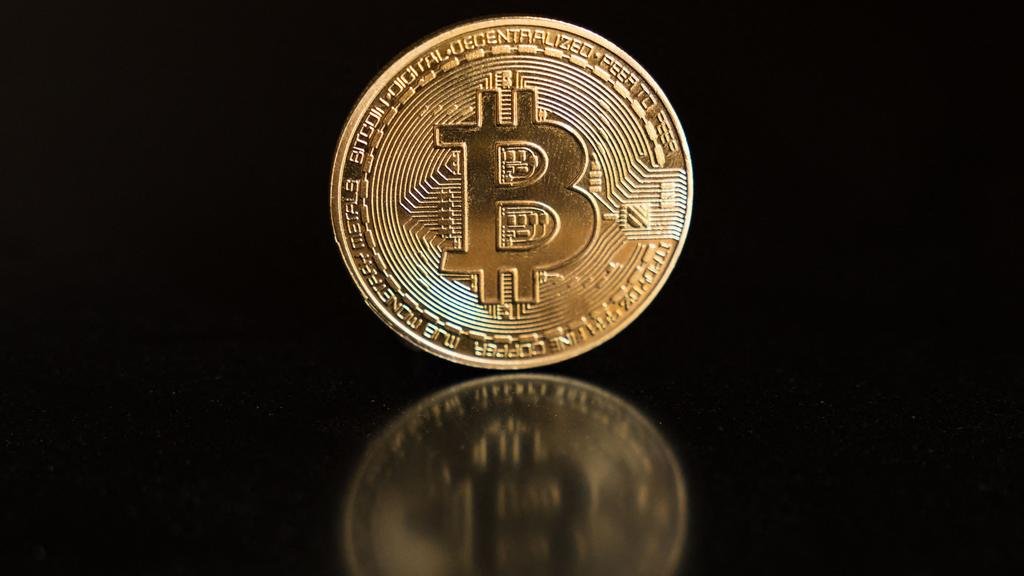


Just months ago, many had dismissed Bitcoin as a fading trend, with its value plummeting and investor confidence shaken. However, the tides have turned rapidly. Following Donald Trump’s election victory last year, optimism around Bitcoin began to build once more. Trump’s pro-crypto stance, including a pledge to establish a national Bitcoin reserve, rekindled investor enthusiasm. Though the excitement faded during a market slump, a stunning reversal has taken place.


This morning, Australian time, Bitcoin soared to an all-time high of $110,524, driven largely by renewed confidence surrounding U.S. crypto legislation. Market analysts now view this rally as a major turning point—one that could mark the beginning of Bitcoin’s next major bull cycle.

I. The Political Catalyst Behind Bitcoin’s Rebound
1. Trump’s Pro-Crypto Agenda Fuels Investor Optimism
Donald Trump’s return to political power has reshaped sentiment around digital assets. During his campaign, he positioned himself as a staunch advocate for cryptocurrencies and pledged to elevate Bitcoin to a strategic financial tool for the United States. His proposal to create a Bitcoin reserve mirrored strategies used for traditional reserves like gold, sending a strong signal that digital assets could become central to national economic planning.
This policy shift significantly boosted market morale, with investors anticipating looser regulations and greater institutional integration. Though Bitcoin’s price dipped in the months following his election, the long-term outlook remained bullish among crypto proponents.

2. Legislative Momentum Adds Confidence
The recent rally is widely attributed to growing optimism surrounding cryptocurrency regulation in the U.S. For the first time, legislative clarity appears within reach, reassuring investors and institutions that digital assets will have a more stable and transparent regulatory environment moving forward.
The regulatory shift, combined with Trump’s leadership, has sparked a wave of renewed confidence across financial markets. It signals a future in which Bitcoin could play a more formalized role within the global financial system, helping investors view it as a reliable store of value.
II. Bitcoin’s Surge and What It Means for the Market
1. Bitcoin Breaks Records Amid Market Weakness
Bitcoin’s climb to $110,524 occurred even as traditional financial indicators faltered. Despite a weak U.S. Treasury auction and sluggish equity performance, Bitcoin defied expectations and surged ahead. This decoupling from conventional markets suggests that Bitcoin may be evolving into a more mature, standalone asset class.
Edward Carroll, Head of Global Markets and Corporate Finance at MHC Digital Group, noted that Bitcoin’s rally signals a critical transformation. “We firmly believe BTC is increasingly decoupling from its correlation to risk assets and beginning to behave more like an independent, reliable asset allocation—particularly in times of uncertainty,” Carroll said.
2. Forecasts Signal Even Greater Growth Ahead
Carroll and his team at MHC Digital Group have set ambitious price targets for Bitcoin, projecting it to reach $160,000 by Q4 2025 and a staggering $1 million by 2030. Their forecasts are built on a growing demand curve and Bitcoin’s unique supply structure—capped at 21 million coins globally.
“With a fixed supply dynamic and growing demand driving the price higher in the medium term, we see significant upside from here,” Carroll stated. The idea is simple: as more individuals and institutions turn to Bitcoin in a time of uncertainty, the scarcity of the asset will become even more pronounced—driving price appreciation.
III. Why Bitcoin Is Seen as “Digital Gold”
1. From Risk Asset to Safe Haven
Bitcoin has long been viewed as a volatile and speculative asset. But the latest rally suggests it’s increasingly being seen as a modern alternative to gold. In the face of geopolitical instability, inflation fears, and sluggish equity markets, Bitcoin is showing signs of becoming a preferred asset for diversification and wealth preservation.
Its decentralized nature and transparent supply model offer investors a hedge against fiat currency devaluation and traditional financial system risks. Carroll’s assertion that Bitcoin may now act as an “independent asset allocation” reflects this shift in market perception.
2. Institutional Adoption on the Rise
One of the major forces driving this transformation is the rise of institutional investment in Bitcoin. Hedge funds, asset managers, and corporate treasuries are allocating significant capital to the cryptocurrency as a long-term hedge and portfolio diversifier. This trend is likely to intensify as regulatory clarity improves and traditional financial institutions launch Bitcoin-backed investment products.
With greater integration into the global financial ecosystem, Bitcoin’s appeal as “digital gold” is only expected to grow—pushing its price further into uncharted territory.
IV. What to Watch Going Forward
1. Regulatory Milestones and Global Policy Developments
The path forward for Bitcoin will heavily depend on the continued evolution of regulatory frameworks. The U.S. is currently taking the lead, but other regions—including the European Union and parts of Asia—are also considering how to integrate cryptocurrencies into their legal systems.
If regulations continue to favor responsible innovation while protecting investors, it will further legitimize Bitcoin and promote long-term price stability.
2. Supply Constraints and Growing Demand
Unlike fiat currencies, Bitcoin’s supply is finite. This hard cap of 21 million coins creates a built-in scarcity that becomes more relevant as global demand rises. As more individuals and institutions seek exposure, the market will likely experience further supply pressure—particularly during times of economic uncertainty or currency devaluation.
Such supply-demand dynamics are expected to be a key driver of Bitcoin’s price over the next decade, particularly as adoption spreads beyond early adopters and tech-savvy investors.
Conclusion
Bitcoin’s surge past $110,000 marks more than just a new all-time high—it signals a maturing asset class backed by political momentum, institutional interest, and a tightening supply model. With pro-crypto leadership under Donald Trump and favorable regulatory developments on the horizon, the digital asset appears poised for long-term success.
As experts forecast a potential rise to $160,000 by late 2025 and even $1 million by the end of the decade, Bitcoin’s narrative continues to evolve. No longer just a speculative play, it is increasingly viewed as a cornerstone of modern financial strategy—a digital reserve asset built for the uncertain future ahead.








