







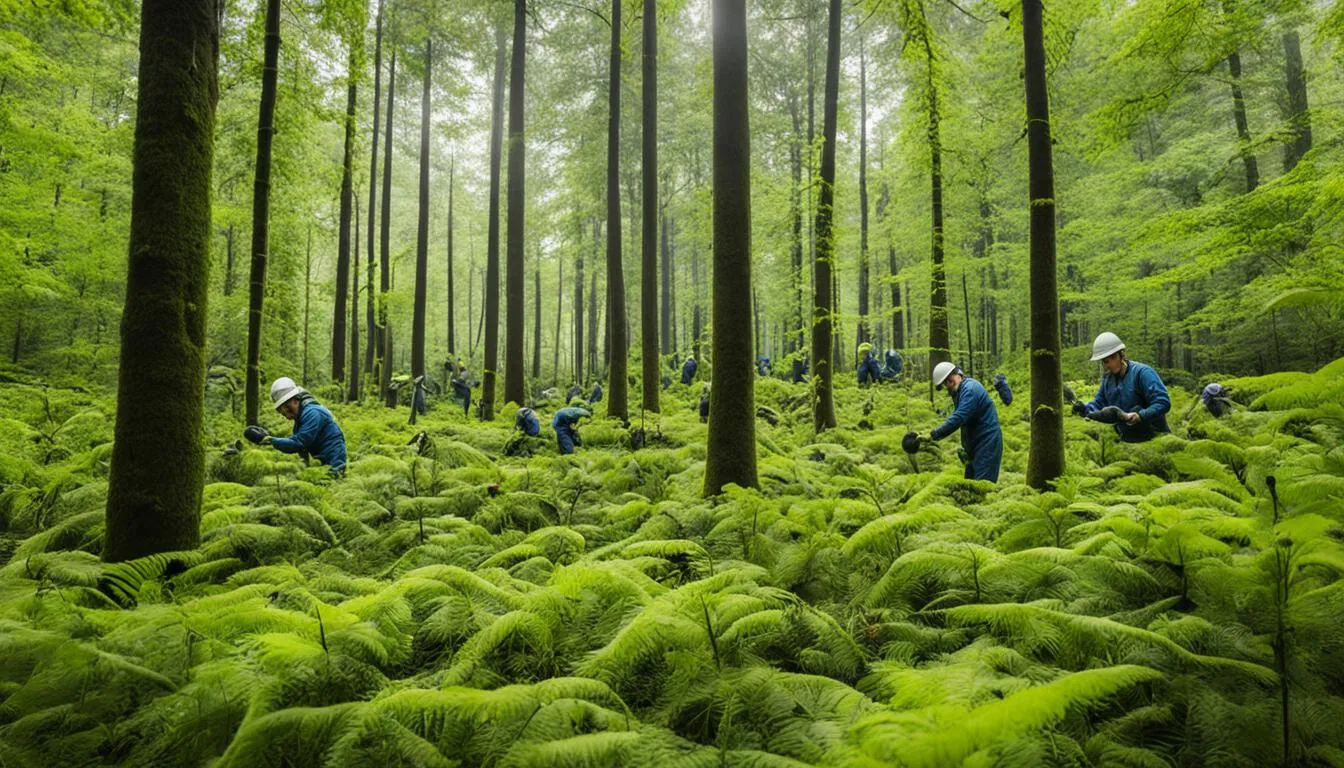


In a landmark move aimed at reversing years of ecological degradation, the Brazilian government has announced an ambitious Amazon Replanting Initiative designed to combat rampant deforestation, restore biodiversity, and tackle climate change. The initiative, which sets a target of replanting over 12 million hectares of native rainforest by 2030, has been hailed by environmentalists, indigenous leaders, and global policymakers as one of the most significant environmental commitments in recent history.


A Response to a Crisis
The Amazon Rainforest, often referred to as the “lungs of the planet,” plays a critical role in stabilizing the global climate. Covering approximately 5.5 million square kilometers, it is the largest tropical rainforest in the world and a vital carbon sink. However, decades of unchecked logging, illegal mining, agricultural expansion, and infrastructural development have severely damaged this unique ecosystem. Between 2001 and 2022, the region lost an estimated 17% of its forest cover — a loss equating to more than 500,000 square kilometers.

Recognizing the urgency of the situation, the government’s replanting initiative is designed not merely as a symbolic gesture but as a comprehensive, actionable strategy. It aligns with Brazil’s broader environmental commitments under international agreements such as the Paris Climate Accord and the Kunming-Montreal Global Biodiversity Framework.
Multi-Pronged Reforestation Strategy
The initiative is structured around five key pillars:

-
Large-Scale Replanting with Native Species:
The core of the program focuses on replanting native trees that have been lost to deforestation. Species such as Brazil nut, mahogany, and rubber tree — once dominant across vast swathes of the rainforest — will be reintroduced in a scientifically guided manner to ensure ecological compatibility and genetic diversity. -
Community-Driven Restoration:
A significant portion of the work will be led by local and indigenous communities who possess deep knowledge of the land. By empowering these communities with resources, training, and fair compensation, the government aims to foster a bottom-up approach that ensures sustainable land management. -
Ecological Zoning and Monitoring:
The initiative includes strict ecological zoning to determine which areas are suitable for natural regeneration and which require active intervention. Advanced satellite imaging, drones, and AI-powered data analytics will monitor progress, forest health, and carbon absorption rates in real time. -
Public-Private Partnerships:
The government has invited national and international private sector partners to invest in the reforestation drive. Green bonds, carbon credit programs, and ESG (Environmental, Social, and Governance) investment mechanisms are expected to play a pivotal role in financing the initiative. -
Educational and Scientific Collaboration:
Partnerships with universities and research institutions will ensure that the replanting strategy is grounded in the latest ecological science. Research will also assess the impact on local wildlife, water systems, and the broader biome.
Environmental Impact and Carbon Sequestration
One of the primary objectives of the initiative is to offset Brazil’s carbon emissions and enhance its climate resilience. The replanting of 12 million hectares is projected to absorb over 5 billion metric tons of CO₂ over the next 30 years, contributing significantly to global efforts to limit warming to 1.5°C.
Furthermore, restored forests improve soil quality, stabilize regional rainfall patterns, and help regulate the flow of major rivers like the Amazon and the Madeira. The ripple effect of a healthier Amazon extends far beyond Brazil’s borders, influencing weather systems across South America, the Caribbean, and even the United States.
Biodiversity Recovery
The Amazon is home to an estimated 10% of the planet’s known species, many of which are found nowhere else. Habitat fragmentation and deforestation have pushed numerous species — including jaguars, giant otters, and hundreds of amphibians — to the brink of extinction.
The replanting initiative includes plans for the restoration of wildlife corridors, allowing species to move freely and reproduce across broader ranges. Biologists are also working to reintroduce endangered species into their native habitats. In tandem, conservation areas will be expanded and protected more rigorously, with additional enforcement against illegal poaching and logging.
Indigenous Involvement and Traditional Knowledge
Perhaps one of the most commendable aspects of the initiative is the central role given to indigenous communities. The government has acknowledged the invaluable contributions of these stewards of the forest, many of whom have safeguarded their territories for centuries through traditional, sustainable practices.
Indigenous groups will not only participate in the physical replanting process but will also help shape policy and implementation strategies. Many territories have already established their own ecological calendars and permaculture systems that blend seamlessly with the aims of the national initiative. The government has promised to recognize land rights more robustly and to fund community-led restoration projects directly.
Economic and Social Dimensions
The initiative is expected to create over one million green jobs in forestry, logistics, education, and monitoring. These employment opportunities are especially critical in remote areas where poverty and limited infrastructure have historically hindered economic development.
Vocational training programs are being developed in partnership with NGOs and environmental institutions, preparing a new generation of eco-workers, researchers, and conservationists. The government has also launched a digital platform to connect local producers of native seedlings with buyers, promoting a decentralized and self-sustaining supply chain.
Additionally, the expansion of eco-tourism is being considered as a complementary effort, encouraging visitors from around the world to experience the Amazon in a sustainable manner while contributing economically to local communities.
Political Commitment and Global Diplomacy
This reforestation program also serves as a geopolitical statement. By taking decisive climate action, Brazil positions itself as a leader among developing nations in the global environmental arena. The announcement has already sparked interest among other rainforest nations — such as the Democratic Republic of Congo and Indonesia — to explore similar large-scale restoration efforts.
At a recent climate summit, Brazil called for a global Amazon Alliance to share best practices, pool funding, and harmonize deforestation targets. The government is lobbying for preferential access to climate finance, including from institutions like the World Bank and the Green Climate Fund.
Challenges and Criticisms
Despite the praise, challenges remain. Environmental watchdogs have called for greater transparency and accountability, noting past government failures to deliver on climate promises. Questions have been raised about the enforcement of anti-logging laws, especially in remote areas where corruption and illegal activity remain rampant.
Another concern is the potential for monoculture plantations disguised as reforestation. Experts warn that true ecological recovery depends on biodiversity, not just the number of trees planted. The government has responded by pledging to make biodiversity a non-negotiable condition for all reforestation projects.
Funding is another hurdle. While international donors and corporations have expressed interest, the success of the initiative will ultimately depend on sustained investment over the next decade.
A Beacon of Hope
Despite these hurdles, the Amazon Replanting Initiative represents a bold and hopeful vision. It shifts the narrative from despair to action, from environmental exploitation to regeneration. By combining scientific innovation, community empowerment, and political will, the program has the potential to redefine how humanity relates to one of Earth’s most precious ecosystems.
The world will be watching Brazil closely over the coming years. If successful, the initiative will not only bring the Amazon back from the brink but will serve as a model for environmental restoration worldwide.
Conclusion
In an age where environmental headlines are often filled with doom and decline, Brazil’s Amazon Replanting Initiative offers a rare and vital dose of optimism. The scale is enormous, the stakes are high, and the timeline is tight — but with collaboration, transparency, and perseverance, a greener future is still within reach. This initiative is more than a policy — it is a generational mission to restore life to the heart of our planet.








