







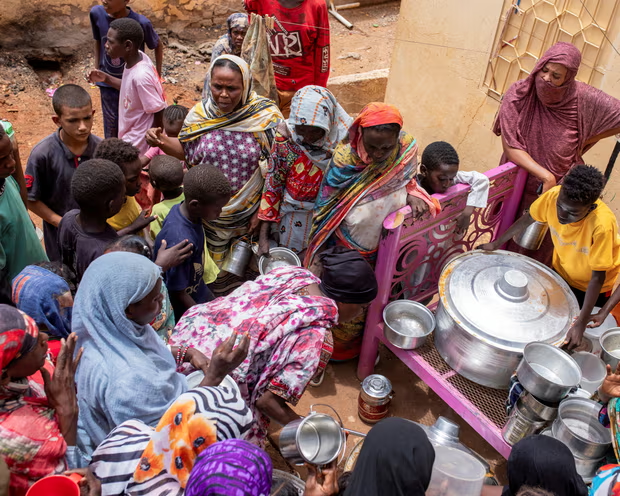


Global extreme poverty is growing at an alarming rate in 39 countries plagued by war and instability, with more than a billion people now facing hunger and economic hardship, according to the World Bank. These nations, primarily in Africa, have seen their economies stall or shrink due to internal conflicts, weak institutions, and minimal international support—further deepening inequality and threatening the achievement of global development goals.
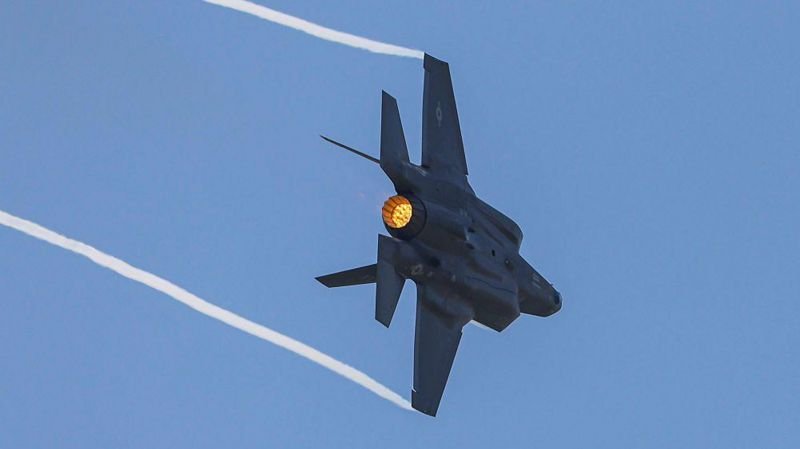

I. The Economic Toll of Conflict
1. Stagnating Growth and Shrinking Incomes
The World Bank’s latest report shows that economic progress in conflict-ridden countries has not only stalled but reversed. Since 2020, national income per capita in these fragile and conflict-affected states has dropped by an average of 1.8% annually. In contrast, other developing countries have experienced an average growth of 2.9% per year. This divergence is widening the gap between these nations and the rest of the developing world, making recovery increasingly difficult.
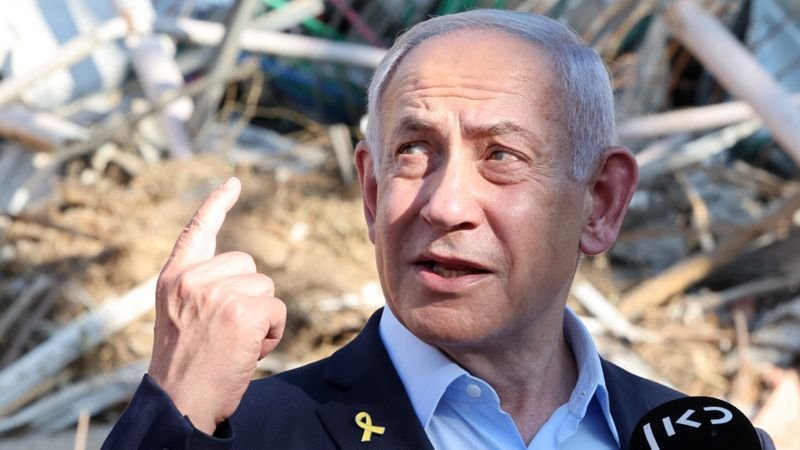
2. Extreme Poverty Concentrated in Conflict Zones
More than 421 million people in these 39 countries survive on less than $3 per day—a figure that is expected to rise to 435 million by 2030. That would represent nearly 60% of the global population living in extreme poverty. While poverty has declined across many parts of the developing world, it remains devastatingly high—close to 40%—in countries marred by conflict or instability. These regions now account for the majority of the world’s extreme poor.
II. The Human Cost of Instability
1. Rising Death Tolls and Violence
Armed conflict has led to a dramatic increase in casualties since the early 2000s. While war-related deaths averaged 50,000 annually in the early 2000s, that number more than tripled by 2014. Following the COVID-19 pandemic, annual deaths surged to an average of 200,000, with over 300,000 recorded in 2022 alone. This intensifying violence has severely undermined efforts to build stable institutions and improve living standards.
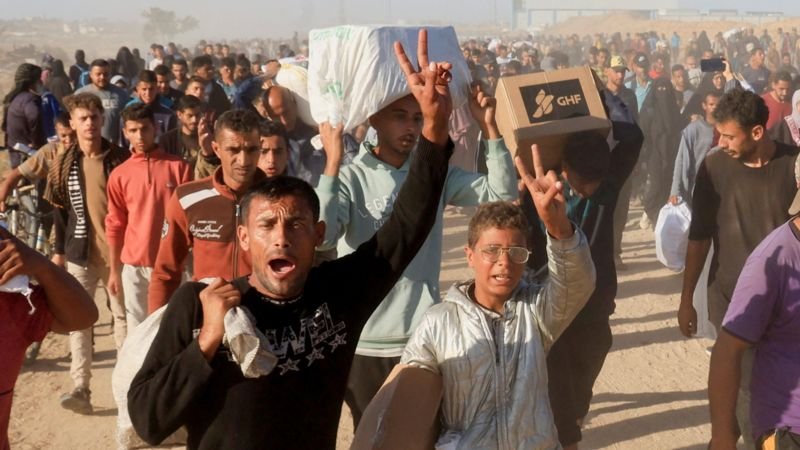
2. Youth and the Draw of Armed Groups
With limited employment opportunities, many young people in conflict-affected countries are turning to local militias for income and security. Of the 270 million people of working age in these economies, fewer than half are employed. This employment gap increases the risk of prolonged instability, as disenfranchised youth are drawn into cycles of violence and extremism.
III. A Widening Global Divide
1. Development Goals Slipping Further Away
The World Bank warns that the goal of eradicating extreme poverty—set as part of the United Nations’ Sustainable Development Goals—is increasingly unattainable for fragile states. While the global average for extreme poverty has dropped to 6%, progress in war-torn nations has been stagnant. These 39 economies have remained stuck with per capita income of around $1,500 a year—unchanged since 2010—while other developing countries have doubled that figure to $6,900.
2. Disappearing Foreign Aid and Limited Alternatives
Major donors such as the United Kingdom and the United States have cut back on foreign assistance in recent years, leaving many conflict-affected countries scrambling to pay debts and maintain basic services. Philanthropic organizations like the Gates Foundation have stated they cannot replace this lost funding, worsening the financial strain on already fragile governments.
IV. Urgent Calls for Global Action
1. A Need for Renewed Focus and Resources
Indermit Gill, the World Bank Group’s chief economist, emphasized that while global attention is fixed on high-profile conflicts such as those in Ukraine and Gaza, more than 70% of those suffering from war and instability are in Africa. He warned that without targeted intervention, conflict will become entrenched, making peace and recovery even harder to achieve. “Half of these nations have been in conflict for over 15 years,” Gill said. “Misery on this scale is inevitably contagious.”
2. The Role of International Institutions and Donors
M. Ayhan Kose, deputy chief economist of the World Bank Group, called on the international community to take urgent and strategic action. He stressed that while rebuilding fragile states will be difficult, history has shown that it is possible. Through stronger institutions, governance reforms, and foreign investment, these countries can begin to stabilize, generate jobs, and reduce poverty.
V. Breaking the Cycle: Paths to Progress
1. Strengthening Governance and Institutions
Rebuilding government capacity is essential in post-conflict environments. Weak institutions not only hinder economic activity but also prevent effective distribution of aid and services. Developing transparent, accountable systems can help lay the foundation for long-term recovery and prevent future outbreaks of violence.
2. Promoting Job Creation and Inclusive Growth
Generating employment is a critical step in breaking the cycle of poverty and instability. By investing in education, infrastructure, and local businesses, fragile states can harness their human capital and encourage productive industries. Prioritizing youth employment is especially important to prevent recruitment into militant groups.
3. Re-engaging the Global Community
While local policies are important, fragile states need the backing of the global community. Reversing aid cuts, providing debt relief, and offering technical support can give these nations a chance to rebuild. Coordination between multilateral institutions and local governments will be crucial to ensure aid is effective and reaches those most in need.
Conclusion
The World Bank’s report paints a sobering picture: conflict and instability are not only erasing decades of development gains but also pushing over a billion people toward hunger and hardship. While global attention has remained fixated on a few major wars, millions in Africa and other unstable regions are suffering in silence. Without urgent international support, the world risks allowing a humanitarian catastrophe to unfold largely unnoticed. The time for action is now—before more lives are lost and more futures destroyed.








