








A serene day in one of Canada’s most picturesque national parks turned tragic when a rockfall claimed two lives and injured three others on a heavily frequented trail. The incident occurred near Bow Glacier Falls in Banff National Park, located roughly 225 kilometers (140 miles) northwest of Calgary, Alberta. Known for its breathtaking views and popularity among hikers during the summer months, the area became the scene of a fatal accident that stunned both locals and park visitors alike.


I. DEADLY ROCKFALL HITS BOW GLACIER FALLS TRAIL
1. Two Hikers Killed in Sudden Mountain Collapse
Authorities confirmed that a significant rockfall struck a group of hikers on Thursday, leading to the deaths of two individuals. One of the victims was a 70-year-old woman from Calgary, whose body was recovered shortly after the incident. The second victim’s body was retrieved early the following morning, as detailed in a joint statement from the Royal Canadian Mounted Police (RCMP) and Parks Canada. No additional missing persons have been reported.
The hiking group was near the scenic Bow Glacier Falls trail when the mountain suddenly gave way. The affected area is a well-traveled route, especially in summer, drawing dozens of hikers daily due to its accessible terrain and stunning views of the glacier-fed waterfall.
2. Three Injured as Rescue Teams Respond Quickly
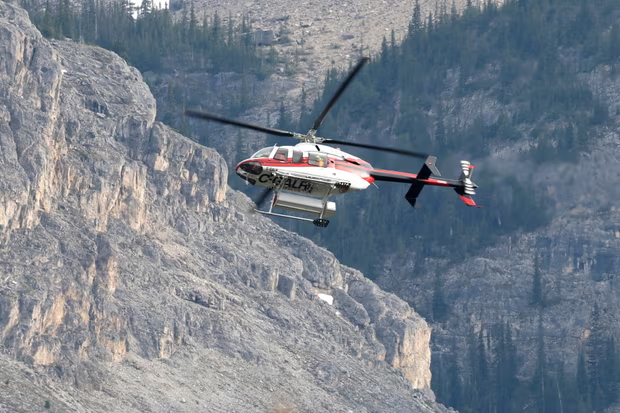
In addition to the two fatalities, three other hikers sustained injuries during the rockfall. Emergency services responded swiftly, with park rangers and local rescue teams working to treat and evacuate the wounded. Authorities have not disclosed the severity of the injuries, but all three individuals were stabilized and transported for medical care.
The RCMP and Parks Canada launched an immediate investigation to determine the cause and scope of the rockfall. They have since warned visitors to remain vigilant and avoid the affected area while assessments are ongoing.
II. WITNESS ACCOUNTS REVEAL CHAOS AND PANIC
1. Eyewitness Describes Escaping Falling Rocks
Niclas Brundell, a local resident and one of the hikers on the trail during the incident, recounted the terrifying moments leading up to the collapse. Brundell and his wife noticed small rocks tumbling down the mountainside, prompting them to flee before the larger slide occurred.
“I turned round and saw basically a whole shelf of a mountain come loose,” he told CBC News. “We just kept sprinting and I couldn’t see the people behind us anymore because they were all in that cloud of rock.”
His chilling account highlights the speed and magnitude of the event, as well as the near-instantaneous danger faced by those in the vicinity.
2. Hiking Club Member Among the Victims
Andy Dragt, an organizer of a local hiking group, revealed to The Globe and Mail that one of their members was among the deceased. Approximately 10 members of the club were on the trail at the time. While he refrained from disclosing the victim’s identity, Dragt expressed deep sorrow over the loss and emphasized the shock felt within the group.
This incident serves as a stark reminder of the risks involved in outdoor activities, even in seemingly familiar and well-maintained environments like Banff National Park.
III. UNDERSTANDING THE RISKS OF MOUNTAIN TERRAIN
1. Geological Factors May Have Triggered the Rockfall
Though the exact cause of the rockfall remains under investigation, experts note that rockslides in mountainous areas can result from a combination of weather conditions, geological instability, and erosion. A particularly wet spring or a sudden change in temperature could have contributed to the loosening of rocks along the trail.
Banff National Park, while meticulously maintained, is still part of the rugged Rocky Mountain landscape. This means that natural hazards like rockfalls, avalanches, and sudden weather shifts are an inherent risk.
2. Safety Measures in National Parks Under Review
Following the tragedy, Parks Canada may reevaluate safety protocols for high-traffic trails. This includes monitoring geological activity in vulnerable zones, updating signage to warn hikers of potential dangers, and temporarily closing paths during times of heightened risk.
Visitors to national parks are encouraged to stay informed about trail conditions, adhere to posted warnings, and always hike with caution, particularly in areas near cliffs or unstable rock formations.
IV. COMMUNITY AND OFFICIAL RESPONSE
1. Authorities Coordinate Recovery and Investigation
The RCMP and Parks Canada have worked closely to manage the aftermath of the rockfall. Their coordinated efforts ensured timely medical aid for the injured and the safe recovery of the deceased. Investigators continue to examine the area to identify any ongoing threats or contributing factors.
Officials have praised the quick response of first responders and the cooperation of hikers during the emergency, noting that the collective effort prevented an even greater tragedy.
2. Public Mourning and Calls for Vigilance
The incident has left a somber tone across the local community, with many expressing grief and extending condolences to the families of the victims. Social media posts and community forums have been filled with tributes to the hikers and reminders of the unpredictable nature of the wilderness.
Hiking clubs and outdoor organizations are now calling for increased awareness about natural hazards and are urging both novice and experienced hikers to take extra precautions, especially on popular trails where crowds might mask the warning signs of environmental instability.
CONCLUSION
The tragic rockfall at Bow Glacier Falls serves as a painful reminder of the powerful and unpredictable forces of nature. Despite the area’s beauty and popularity, even well-known trails in national parks carry risks that can prove fatal under the wrong conditions. As investigations continue and the community grieves, there is renewed emphasis on safety, awareness, and preparedness in outdoor recreation. The lives lost in this incident remind us of the fragile balance between human exploration and the untamed wilderness that draws so many to places like Banff.








