









Tensions surrounding Iran’s nuclear capabilities have surged following coordinated airstrikes by Israel and the United States targeting key Iranian nuclear facilities. While both countries claim the strikes significantly impaired Iran’s nuclear infrastructure, international observers, including the head of the UN nuclear watchdog, offer a more measured assessment. Concerns remain over Iran’s ability to quickly resume uranium enrichment, as well as the broader geopolitical fallout, particularly with diplomatic channels strained and access for international inspectors blocked.

I. UN Watchdog Challenges Official Narratives
1. Damage Assessment Contradicts U.S. Statements
Rafael Grossi, Director General of the International Atomic Energy Agency (IAEA), has publicly disputed former President Donald Trump’s claim that recent U.S.-led airstrikes had “completely and totally obliterated” Iran’s nuclear capabilities. In an interview with CBS News, Grossi acknowledged significant damage to three Iranian facilities but clarified that the destruction was far from total. “It’s not like everything was wiped out,” he stated. Grossi explained that Iran retains the industrial and technical ability to restart uranium enrichment, potentially within a few months.
2. Intelligence Confirms Iran’s Resilience
Supporting Grossi’s view, preliminary assessments by U.S. intelligence sources suggest that the Iranian nuclear program has only been delayed, not destroyed. One intelligence official told Reuters that Iran could resume its activities within one to two months. This revelation raises doubts about the strategic effectiveness of the strikes and highlights the enduring complexity of curbing Iran’s nuclear ambitions through military means alone.
II. Strategic Implications of the Airstrikes
1. Israel and U.S. Coordination Raises Stakes
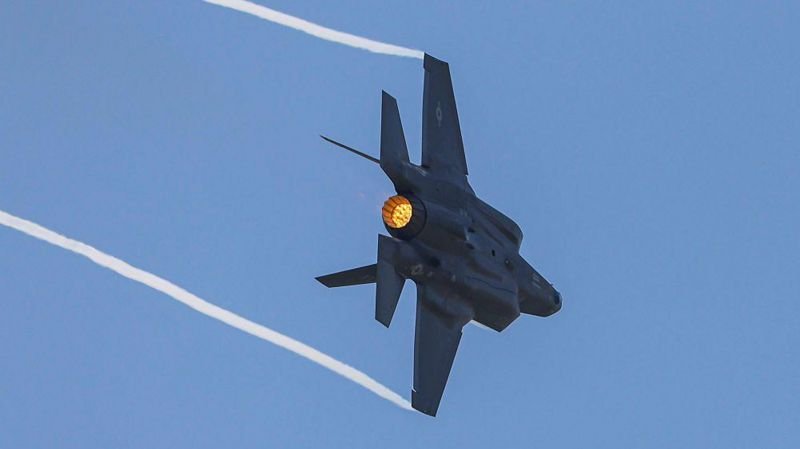
On June 13, Israel initiated a wide-ranging assault on Iranian assets, targeting nuclear sites, military leaders, and scientists. The United States soon followed by bombing three strategic nuclear-related facilities. The joint operation aimed to halt Iran’s alleged pursuit of nuclear weapons, a charge Tehran has repeatedly denied. As speculation grows over whether enriched uranium stockpiles—reportedly around 408kg—were moved before the attack, Grossi emphasized the need for clarity: “Some may have been destroyed, some moved—we simply don’t know.”
2. Iranian Leadership Reacts with Caution
Iranian Foreign Minister Abbas Araghchi confirmed serious damage to nuclear infrastructure but withheld detailed information. Meanwhile, Ayatollah Ali Khamenei, Iran’s Supreme Leader, has remained out of the public eye since the strikes. However, senior advisor Ali Shamkhani, a prominent target of the bombing, made a symbolic appearance at a funeral for fallen commanders. Having survived the attack on his home, Shamkhani recounted being buried under debris for three hours, stating the bombing initially felt like an earthquake until outside noises confirmed it was an airstrike. He implied that his actions had provoked the attack, though he declined to reveal specifics.
III. Fallout from International Diplomatic Stalemates
1. IAEA Access Denied Amid Rising Hostilities
In response to the attacks, Iran has banned IAEA inspectors from entering the country until it receives formal guarantees that its nuclear sites will not be targeted again. This condition brings Tehran perilously close to exiting the nuclear non-proliferation treaty. Iran’s move follows a growing mistrust of the IAEA, fueled by claims that a recent report from the agency, outlining Iranian non-compliance, served as a justification for Israel’s offensive.
2. Grossi Defends Agency’s Neutrality
The Iranian government has launched personal criticisms against Grossi, accusing him of enabling military action. However, Grossi rejected these accusations in a statement to Al Jazeera, asserting that the IAEA had found no signs of an active nuclear weapons program in Iran. He called the idea that the agency’s report facilitated an attack “absolutely absurd.”
3. European Push for Diplomacy Intensifies
Grossi’s comments are likely to bolster European diplomatic efforts advocating for renewed negotiations. European envoys are expected to use his statements to argue against unilateral military approaches, urging instead a diplomatic resolution to Iran’s nuclear future. The current situation, however, complicates any return to talks, especially as trust between Iran and international bodies deteriorates.
IV. Human Toll and Security Concerns
1. High Casualties at Tehran’s Evin Prison
Iranian media reported that Israel’s earlier strike on Tehran’s Evin prison—long known for housing political dissidents—resulted in at least 71 deaths. Victims included guards, inmates, and visiting family members. The figure illustrates the broader human cost of the conflict, even as the full extent remains difficult to verify due to Iran’s restrictions on media access.
2. Military Readiness and Ceasefire Doubts
Tehran remains skeptical about Israel’s commitment to the current ceasefire. General Abdolrahim Mousavi, Iran’s armed forces chief of staff, warned that the country is prepared to respond militarily should the ceasefire be violated. His remarks, broadcast by state television, suggest that Iranian defense forces are on high alert, signaling that hostilities could easily reignite.
3. Future Talks Hang in the Balance
While there has been speculation about a possible meeting in which the U.S. would offer partial sanctions relief in return for Iran agreeing to cease uranium enrichment, no final decision has been made. Iran remains firm in its stance, viewing domestic enrichment as non-negotiable—a sticking point that has derailed five previous negotiation rounds.
Conclusion
The recent Israeli and U.S. airstrikes on Iran have escalated an already fragile geopolitical situation. Despite the physical damage inflicted on Iranian facilities, the core capabilities of Iran’s nuclear program appear to remain intact, with the potential to restart in the near future. Grossi’s measured comments underscore the limitations of military force in achieving long-term nonproliferation goals. Meanwhile, Iran’s refusal to allow international inspectors back into the country and its firm stance on uranium enrichment continue to challenge prospects for diplomacy. As tensions simmer, the international community faces a narrow window of opportunity to re-engage all parties in constructive dialogue before the region slides into deeper instability.








