







The United Nations’ nuclear watchdog has confirmed the withdrawal of its last inspectors from Iran, a move highlighting the escalating tensions surrounding access to the country’s nuclear sites. These developments come in the wake of a 12-day conflict initiated by Israeli strikes on Iran’s nuclear infrastructure. Since then, the International Atomic Energy Agency (IAEA) has been unable to carry out inspections, raising international concern over the opacity of Iran’s nuclear activities. Meanwhile, Iran has passed legislation to halt cooperation with the IAEA until its nuclear facilities can be deemed secure.


I. IAEA Withdraws Inspectors Amid Growing Standoff
1. Military Conflict Sparks Exit
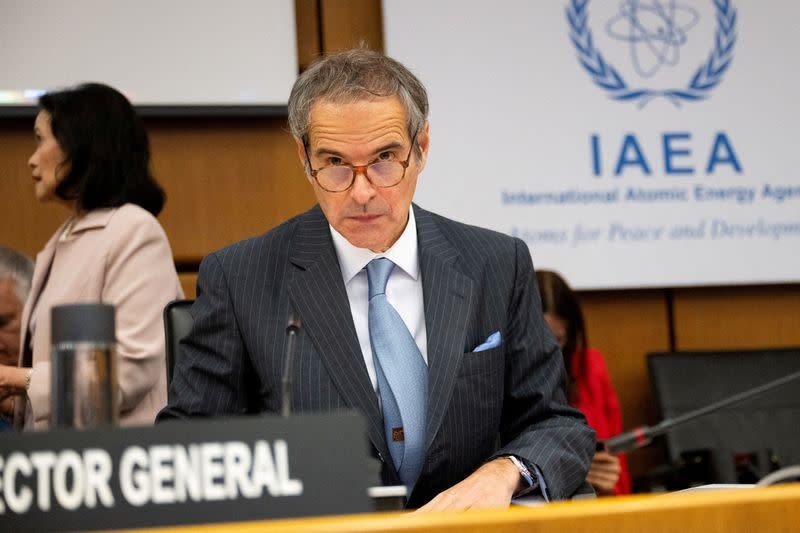
The IAEA revealed via a post on X that its final inspection team had safely left Iran and returned to Vienna. These inspectors had remained in Tehran during the recent conflict, which began on June 13 when Israel launched airstrikes on Iran’s nuclear sites. The strikes, carried out in coordination with the U.S., effectively blocked the IAEA’s access to Iranian facilities. Despite IAEA Director General Rafael Grossi’s insistence on restoring inspections as a priority, the mission remains on hold.
2. Safety and Diplomacy in Question
Diplomatic sources disclosed that the number of inspectors in Iran was already dwindling prior to the complete withdrawal. Following the bombings, concern grew over their personal safety amid sharp criticism from Iranian politicians and media. The Iranian parliament has since enacted a law to suspend cooperation with the IAEA, arguing that their facilities must first be safeguarded against further military action. Although the IAEA stated it has yet to receive formal notice of the suspension, the return timeline for inspectors remains uncertain.
II. Accusations and Fallout Over IAEA Report
1. Damning Report Triggers Controversy
Tensions were further inflamed by a May 31 report from the IAEA that accused Iran of violating its obligations under the Nuclear Non-Proliferation Treaty (NPT). This document led the IAEA’s 35-member Board of Governors to pass a resolution citing Iran’s non-compliance. Iranian officials argue that the report provided a pretext for the U.S. and Israeli military campaign. However, Grossi has defended the report, firmly rejecting claims that it served as diplomatic justification for the attacks.

2. Iran’s Position on the NPT
Despite the fallout, Iran’s Foreign Minister Abbas Araqchi reaffirmed the nation’s commitment to the NPT. In turn, Grossi emphasized the urgent need for dialogue with Iran to restore the IAEA’s ability to monitor and verify the country’s nuclear materials. Without this cooperation, the international community is left in the dark regarding Iran’s atomic activities, heightening global security concerns.
III. Uncertainty Over Iran’s Uranium Stockpile
1. Facilities Damaged, Stockpile Unaccounted
The joint strikes by Israel and the U.S. left Iran’s three uranium enrichment centers either destroyed or heavily damaged. Yet, ambiguity surrounds the current location and status of Iran’s enriched uranium. Of particular concern is the fate of over 400 kilograms enriched to nearly 60% purity—a level perilously close to weapons-grade material. Based on IAEA standards, this quantity is theoretically sufficient to produce nine nuclear warheads if further enriched.
2. Peaceful Claims Versus Strategic Doubts
Iran has long maintained that its nuclear ambitions are peaceful. Nonetheless, Western powers contest the need for such high levels of enrichment, especially in the absence of a civilian nuclear justification. The IAEA has noted that no other country has enriched uranium to this degree without proceeding to develop nuclear weapons.
3. Disrupted Oversight Raises Alarms
As an NPT signatory, Iran is obligated to report and account for all enriched uranium. Typically, the IAEA provides stringent oversight to ensure compliance. However, the destruction of the nuclear sites has severely disrupted these efforts, casting doubt over the transparency of Iran’s nuclear program. Grossi warned during a press conference in Vienna that any prolonged interruption of inspections could significantly compromise the IAEA’s monitoring capabilities.
Conclusion
The departure of IAEA inspectors from Iran underscores the intensifying crisis over nuclear transparency and security. As diplomatic channels remain fragile, and key facilities lie in ruins, the international community is grappling with the risk of unmonitored nuclear development. While Iran reiterates its adherence to peaceful objectives, the combination of halted inspections and unresolved questions surrounding its uranium stockpile leaves the world on edge. Reestablishing dialogue and verification mechanisms with the IAEA appears crucial to preventing further escalation.