







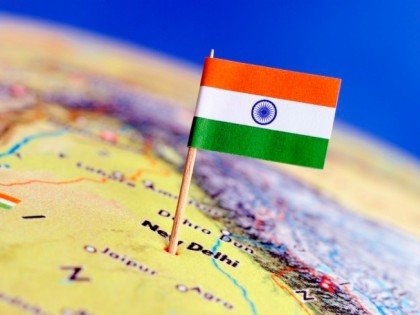


India, the world’s most populous democracy and a rising economic and strategic power, has increasingly found itself walking a diplomatic tightrope. As the global order becomes more fragmented and multipolar, India’s foreign policy has evolved to maintain a delicate balance between competing global powers such as the United States, China, Russia, and the European Union. This strategic balancing act is not merely about maintaining neutrality; it is a dynamic, calculated policy approach rooted in India’s national interests, historical ties, and aspirations for global influence.

Historical Foundations of India’s Foreign Policy
India’s post-independence foreign policy was shaped by the ideals of its first Prime Minister, Jawaharlal Nehru. Non-alignment became the cornerstone of its external relations during the Cold War. Through the Non-Aligned Movement (NAM), India sought to avoid entanglement in the US-Soviet rivalry while advocating for decolonization, disarmament, and global peace. Although NAM is less central today, its legacy still influences India’s independent foreign policy trajectory.
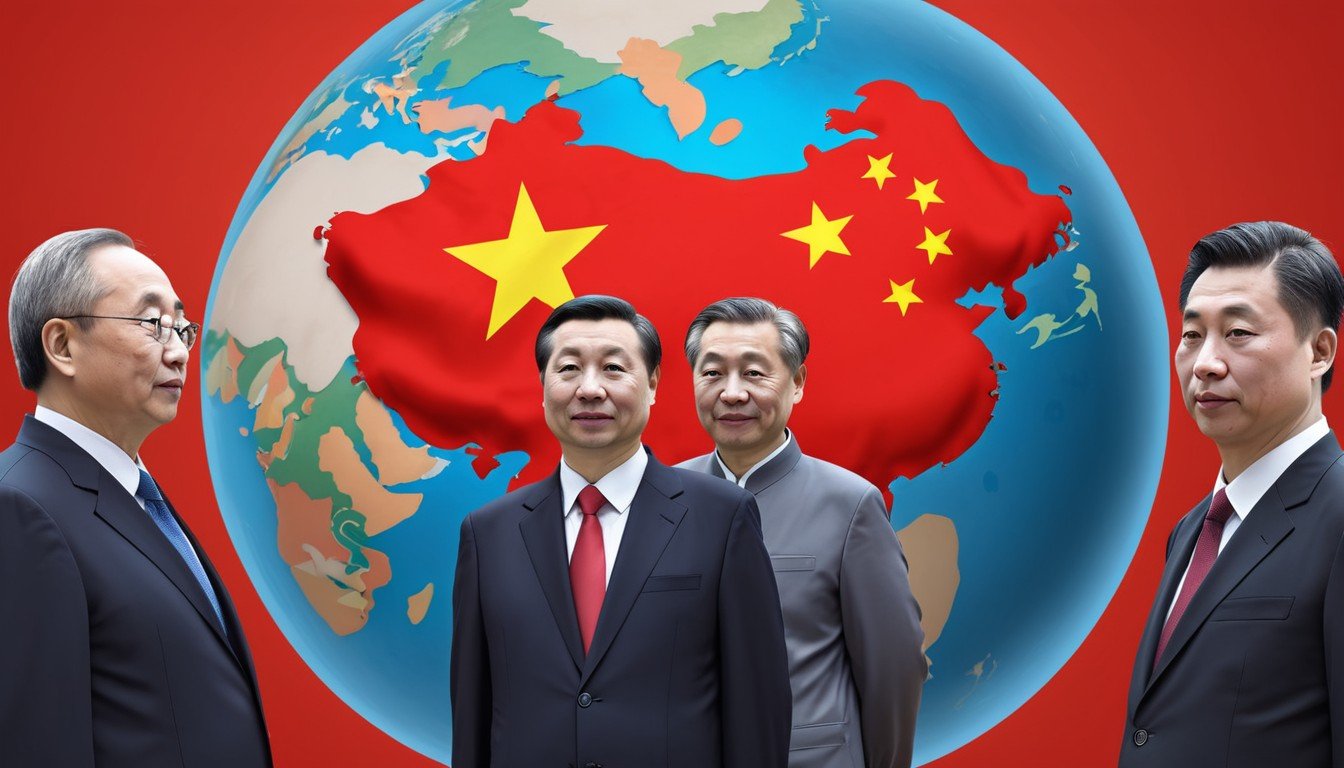
The Multipolar World and India’s Strategic Dilemma
In the 21st century, the global power structure is no longer bipolar, as in the Cold War era, nor is it entirely unipolar under American hegemony. Instead, the world is increasingly multipolar, with China’s rise, Russia’s assertiveness, and the resurgence of regional powers reshaping the landscape. This reality presents both opportunities and challenges for India.
India has pursued strategic autonomy—a policy of preserving its independence in decision-making while engaging with all major powers. It seeks to avoid being boxed into any exclusive alliance, especially given its complex relationships with each global power.
India and the United States: Strategic Partnership with Caveats
India’s relations with the United States have deepened significantly over the past two decades. From defense cooperation to trade and technology, both nations see each other as strategic partners. Initiatives such as the Quadrilateral Security Dialogue (Quad), the US-India Strategic Partnership, and foundational defense agreements (COMCASA, LEMOA, BECA) signify growing convergence.
However, India’s alignment with the US is not absolute. While New Delhi shares concerns about China’s assertiveness in the Indo-Pacific, it remains wary of becoming part of a US-led containment strategy. Moreover, India often resists Western pressures on issues such as human rights, digital sovereignty, and its military ties with Russia.
Despite occasional tensions, India values its relationship with the US, not only for security but also for technology cooperation, investment, and support in global forums. Washington, in turn, views India as a key partner in shaping the balance of power in Asia.
Russia: Legacy Ties and Strategic Interests
India’s relationship with Russia dates back to the Soviet era. Moscow was a key defense supplier and political ally during the Cold War, and these ties have endured. Even today, about 60–70% of India’s military hardware originates from Russia. The two countries collaborate in areas such as space, nuclear energy, and defense production.
However, Russia’s growing closeness with China and its invasion of Ukraine have complicated matters. While India has refrained from condemning Russia outright at international forums, it has also called for respect for territorial integrity and cessation of violence.
India’s nuanced position on the Ukraine war reflects its desire to preserve its strategic autonomy. It continues to purchase discounted Russian oil, despite Western sanctions, to ensure energy security and price stability at home. Yet, India is also mindful of Western scrutiny and the geopolitical costs of being perceived as too close to Moscow.
China: A Rival, A Neighbor, and a Strategic Challenge
India’s relationship with China is perhaps its most complex. As two rising Asian powers with overlapping interests and historical tensions, their bilateral dynamic has oscillated between cautious engagement and open confrontation.
Border disputes, particularly the 2020 Galwan Valley clash, have deeply eroded trust. Since then, India has taken a tougher stance—banning Chinese apps, reassessing economic ties, and strengthening defense infrastructure along the Line of Actual Control (LAC).
At the same time, China remains one of India’s largest trading partners, and both countries are members of multilateral platforms like BRICS and the Shanghai Cooperation Organization (SCO). However, India’s skepticism of Chinese-led initiatives, such as the Belt and Road Initiative (BRI), and its opposition to Beijing’s territorial ambitions align it closer to Western democracies.
India’s China policy, therefore, is a mix of deterrence, economic recalibration, and selective cooperation. It seeks to prevent military escalation while limiting Chinese influence in South Asia and the Indian Ocean Region.
European Union: Economic Partner and Liberal Ally
India’s engagement with the European Union (EU) has grown steadily, focusing on trade, climate change, digital regulation, and multilateralism. The India-EU Trade and Technology Council (TTC), launched in 2023, aims to deepen cooperation in critical technologies and supply chains.
The EU sees India as a like-minded democracy and a strategic alternative to China. For India, the EU is a vital source of investment, innovation, and diplomatic support in global forums.
However, negotiations on a Free Trade Agreement (FTA) have faced hurdles, including differences on intellectual property, tariffs, and labor standards. Moreover, occasional criticism from European institutions over human rights and Kashmir issues creates friction. Yet, both sides continue to see strategic value in their growing partnership.
The Middle East and Global South: Expanding Strategic Footprint
India’s foreign policy is not confined to the great powers. It has actively cultivated ties with the Middle East, Africa, and Southeast Asia. The Gulf region, in particular, is vital for India due to energy imports, remittances from expatriates, and investment flows. Countries like the UAE and Saudi Arabia have emerged as key partners in trade, infrastructure, and defense.
India also aspires to be a voice for the Global South. It champions equitable climate finance, vaccine equity, and reform of multilateral institutions like the UN Security Council. Hosting the G20 Summit in 2023 further solidified India’s image as a bridge between the developed and developing worlds.
Strategic Autonomy: India’s Core Doctrine
At the heart of India’s foreign policy is the doctrine of strategic autonomy. This concept does not equate to isolationism or non-alignment in the classical sense. Rather, it reflects a flexible, multi-aligned approach—working with diverse partners while avoiding binding alliances.
India engages with the US through the Quad, buys arms from Russia, maintains economic ties with China, builds connectivity with Central Asia, and partners with Europe on technology. This mosaic of relationships enables India to safeguard its sovereignty, pursue economic growth, and enhance its global stature.
Navigating Sanctions and Pressures
India’s balancing act often involves navigating sanctions and external pressures. For instance, its acquisition of the Russian S-400 missile defense system attracted potential US sanctions under CAATSA (Countering America’s Adversaries Through Sanctions Act). Yet, Washington has so far avoided penalizing India, acknowledging its unique position.
Similarly, India’s continued import of Russian oil during the Ukraine war has drawn criticism but also pragmatic understanding from the West. New Delhi argues that it must prioritize its economic needs and ensure affordable energy for its large population.
These examples highlight India’s diplomatic skill in managing external expectations without compromising core interests.
Foreign Policy Under Modi: Assertive and Pragmatic
Since Narendra Modi took office in 2014, India’s foreign policy has become more assertive and globally visible. Modi’s outreach—ranging from diaspora diplomacy to active participation in summits—has reshaped India’s global image. The government has emphasized the Indo-Pacific, neighborhood-first policy, and economic diplomacy.
Initiatives like the International Solar Alliance, Vaccine Maitri (vaccine diplomacy), and Digital Public Infrastructure advocacy at the G20 reflect India’s soft power and ambition to shape global norms.
Yet, the Modi government has also faced criticism over democratic backsliding, which some fear could affect India’s international credibility. Balancing national interests with values-based diplomacy remains an ongoing challenge.
Conclusion: Walking the Tightrope with Purpose
India’s foreign policy in the 21st century is not a simple balancing act—it is a strategic dance on a global stage where alliances shift, interests collide, and new powers rise. Its ability to engage with multiple power centers without becoming subservient to any of them is a testament to its diplomatic maturity.
In a world of shifting alliances and emerging fault lines, India’s tightrope walk is not just about survival—it is about leadership, influence, and the shaping of a new global order. As the nation continues to rise, its foreign policy will remain a vital tool in securing its strategic goals, fostering global stability, and promoting a multipolar world where India’s voice resonates with strength, balance, and purpose.








