






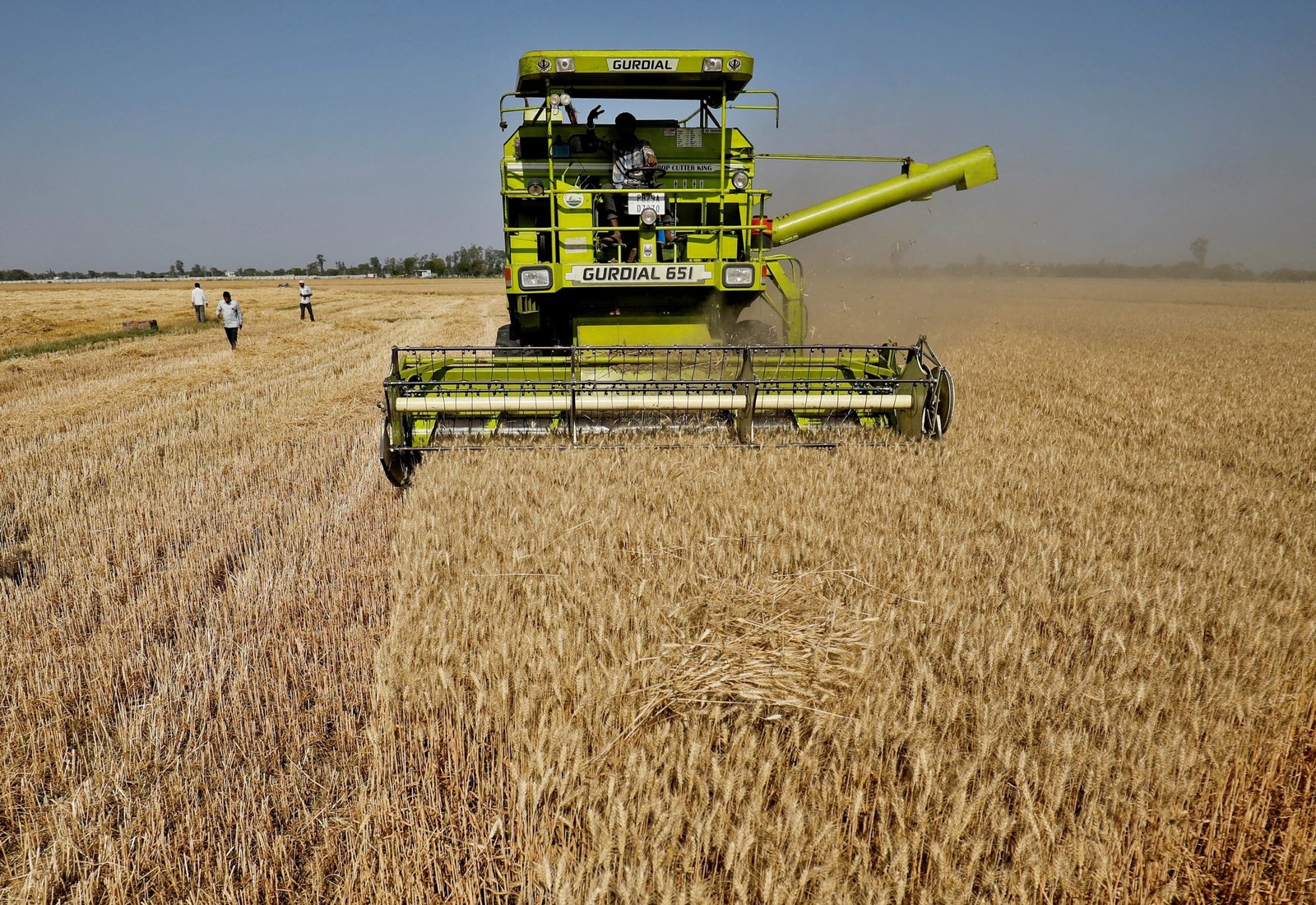



In a strategic move to ease trade tensions, Indonesia has proposed reducing tariffs on key U.S. goods to nearly zero and pledged to purchase $500 million worth of American wheat. The proposal is part of broader trade negotiations between Jakarta and Washington, according to Indonesia’s chief negotiator and representatives from the wheat industry.


Chief Economic Minister Airlangga Hartarto, who leads the discussions for Indonesia, confirmed that national airline Garuda Indonesia would also expand its order of Boeing aircraft. These moves are part of a larger $34 billion economic cooperation pact expected to be signed with U.S. partners next week.
I. Trade Negotiations and Economic Offers
1. Indonesia Proposes Tariff Concessions
Indonesia has committed to slashing import duties on significant U.S. products, particularly in agriculture. The proposed rates would drop from the current range of 0–5% to nearly zero. This is seen as a goodwill gesture to improve bilateral trade ties, especially in light of the 32% tariff currently imposed on some Indonesian exports in the U.S. market.
2. Wheat Purchase Part of Larger Agreement
The country’s wheat flour millers, coordinated by association chair Franciscus Welirang, will collectively acquire approximately two million tonnes of U.S. wheat through competitive tenders. Welirang, also an executive at Indofood, confirmed that major U.S. grain companies—including Cargill, ADM, Bunge Global, and Columbia Grain—will be involved in the deal.

II. Aviation and Investment Opportunities
1. Garuda to Expand Boeing Fleet
In addition to the wheat deal, Garuda Indonesia is exploring the acquisition of up to 75 Boeing aircraft. While the company declined to comment directly on the matter, discussions with the U.S. manufacturer are ongoing and will likely be formalized in the upcoming economic agreement.
2. Critical Mineral Access Offered to U.S.
Jakarta is also inviting American investment in its rich critical minerals sector. The country, which holds abundant reserves of nickel, copper, and bauxite, hopes to leverage these resources to attract foreign investment and boost its industrial base.
III. Requests for Preferential Tariffs
1. Indonesia Pushes for U.S. Tariff Reductions
In exchange for increased U.S. imports and investment access, Indonesia has requested that the United States lower tariffs on its own key exports. These include electronic products, textiles, and footwear—sectors that play a vital role in the Indonesian economy.
2. No Military Trade Included
Despite the scale of the talks, Minister Airlangga clarified that military deals are not part of the ongoing negotiations.
IV. EV Battery Megaproject Backed by China
1. Major Investment in Halmahera and West Java
Indonesia launched construction this week on a $5.9 billion electric vehicle battery project, led by Chinese battery giant CATL. The investment includes $4.7 billion allocated to a new complex in Halmahera and another $1.2 billion in West Java.
2. National Strategy for Energy Independence
At the groundbreaking event in Karawang, President Prabowo Subianto expressed optimism that Indonesia would achieve energy self-sufficiency within the next five to six years. Energy Minister Bahlil Lahadalia added that Halmahera would focus on mining, smelting, and cathode production, while West Java would handle battery cell manufacturing.
3. Environmental Concerns Raised
Despite its economic promise, the project has drawn criticism from environmental organizations. Climate Rights International and Greenpeace Indonesia urged the government to adopt stricter environmental safeguards. The Mining Advocacy Network (Jatam) criticized the government for prioritizing economic expansion over the welfare of local communities and ecological preservation.
V. Environmental Impact on Halmahera
1. Industrial Growth Threatens Pristine Ecosystems
Halmahera, part of Indonesia’s Maluku Islands, has suffered increasing environmental degradation. Once known for its biodiversity, the island is now home to one of the world’s largest nickel mining operations. Activists claim the expansion has led to severe ecological damage.
2. Government Under Scrutiny
A recent report from Climate Rights International warned that Indonesia is not adequately managing the environmental fallout near the Weda Bay industrial zone. The report urged immediate government intervention to prevent further damage and protect the livelihoods of local residents.
Conclusion
Indonesia’s dual-track strategy—balancing trade negotiations with the United States and advancing domestic industrial development through Chinese-backed projects—illustrates its ambition to position itself as a key global player. However, the country faces the challenge of aligning economic goals with environmental responsibility and equitable growth. The coming weeks will determine whether Indonesia’s proposals can bridge economic interests while addressing critical domestic and international concerns.








