






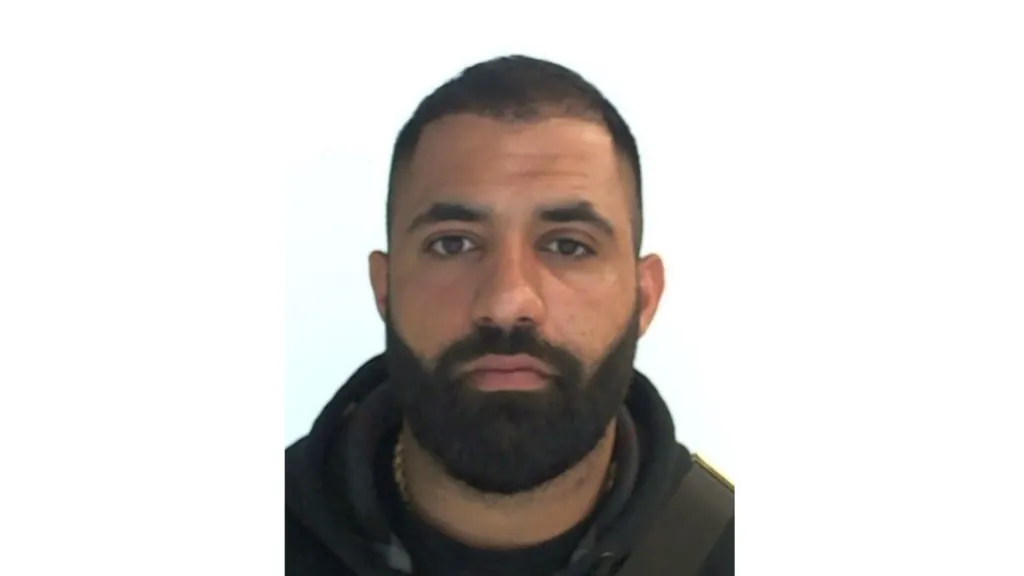
One of Sweden’s most notorious gang leaders, Ismail Abdo, has been apprehended in Turkey, according to an announcement made Friday by Sweden’s prosecutor’s office. Abdo, a dual citizen of Sweden and Turkey, faces numerous charges tied to drug trafficking and organized crime, and had been on Interpol’s red notice list since the previous year.


I. Capture of a High-Profile Gang Leader
1. Background and Criminal Allegations
Ismail Abdo, 35, also known by the alias “The Strawberry,” is the reputed head of the Rumba crime syndicate in Sweden. He is accused of directing illicit operations from overseas and has long been under international scrutiny for his criminal involvement in drug trafficking and violent crimes.

2. Arrest in Turkey
Although Swedish authorities did not publicly confirm his identity, they acknowledged that a key suspect in major drug crimes and incitement of violence had been arrested. Turkish authorities carried out a coordinated raid that led to the apprehension of Abdo along with 18 others. The exact locations of the raids have not been disclosed.

II. Ongoing Investigations and Seizures
1. Wider Police Operation
In addition to the 19 arrests, Turkish officials issued warrants for 21 more suspects. Among them, 14 are believed to be located abroad, three are already imprisoned on separate charges, and four remain fugitives.
2. Seized Assets
Authorities confiscated assets valued at approximately 1.5 billion Turkish lira (roughly £27.8 million or $38 million). These included 20 vehicles, numerous bank accounts, and 51 pieces of real estate property, underlining the financial scale of the gang’s criminal enterprise.
III. Violent Gang Rivalry in Sweden
1. Feud Between Gangs
The violent feud between Abdo’s Rumba gang and the Foxtrot network—led by his former associate, Rawa Majida—has contributed to a significant uptick in gang-related violence across Sweden. In 2023, tensions peaked when Abdo’s mother was assassinated at her home in Uppsala, signaling a chilling turn in their conflict.
2. Government Response
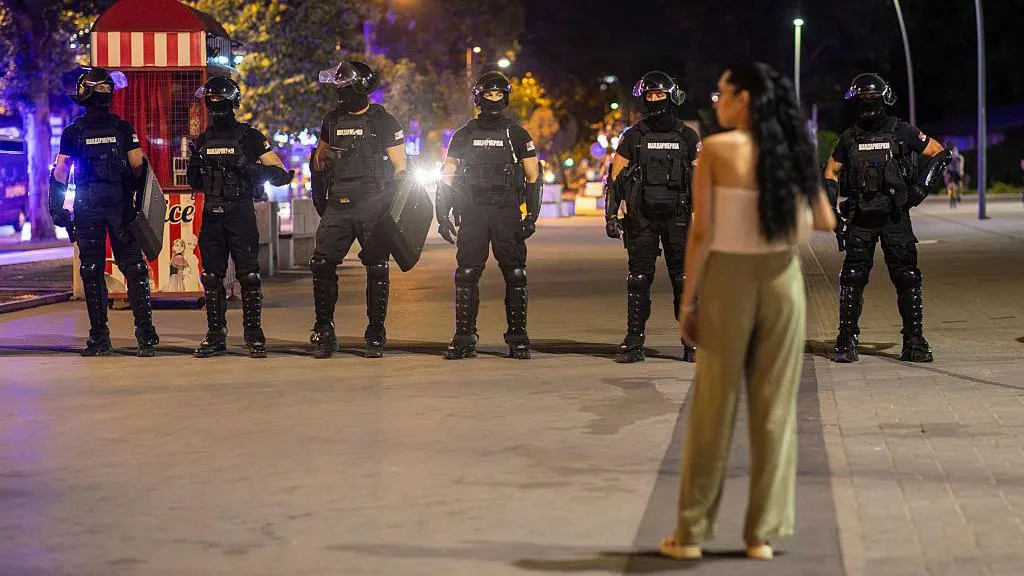
Amid increasing fatalities linked to gang warfare, the Swedish government took the extraordinary step of deploying military support to assist police in curbing the violence. These measures reflect the severity of the crisis that has engulfed major cities and spilled into suburban and rural areas.
IV. Legal and Diplomatic Challenges
1. Prior Arrest and Release
Despite an active Interpol alert, Turkish police had previously detained Abdo in 2024 during a traffic check but later released him on bail—a decision that sparked criticism from Swedish officials who were seeking his extradition.
2. Extradition Complications
Although Swedish authorities regard Abdo’s arrest as a key achievement in their crackdown on organized crime, his Turkish citizenship could complicate efforts to bring him back to Sweden to stand trial, raising diplomatic and legal hurdles.
V. Broader Concerns Around Organized Crime
1. Expanding Gang Influence
Sweden’s organized crime landscape includes approximately 14,000 active gang members and another 48,000 people with links to criminal groups, according to a police report released last year. The scale of the problem has reshaped public perception of Sweden’s domestic security.
2. International Dimensions
The issue of gang involvement has also taken on international implications. In 2023, Sweden’s intelligence service, Sapo, accused Iran of recruiting Swedish gang operatives to target Israeli and Jewish assets. One alarming incident included a 13-year-old firing a weapon outside the offices of Israeli firm Elbit Systems, with further attacks reported on Israeli embassies in Sweden and Denmark.
Conclusion
The arrest of Ismail Abdo in Turkey marks a significant moment in Sweden’s ongoing battle against organized crime. While the operation highlights effective international collaboration, the legal complexities surrounding his dual nationality may delay justice. Nevertheless, authorities view this development as a step forward in dismantling violent criminal networks and restoring public safety.