









In an era where innovation is essential to global competitiveness, an unexpected force is slowing progress—tariffs. While intended to bolster domestic industries, U.S. trade policies under former President Donald Trump have unintentionally created barriers for entrepreneurs and small businesses. Instead of fueling creativity and production, tariffs are diverting time, energy, and resources toward navigating an unpredictable regulatory environment. For many startups and manufacturers, the dream of releasing new, groundbreaking products has been paused.


I. Innovation on Hold: A Costly Consequence of Trade Tensions
1. From Inventing to Budgeting
At companies like Learning Resources in Illinois, Dorai Home in Utah, and Made Plus in Maryland, R&D has taken a back seat to logistical problem-solving. Rather than developing the next big idea, teams are recalculating budgets, negotiating with vendors, and managing the fallout from shifting tariff rates.

Kelsey O’Callaghan, founder of Dorai Home, which sells eco-conscious kitchen and bath accessories made from non-toxic materials sourced in China, shared how tariff hikes forced her to delay product launches and lay off critical team members, including the CEO and head of product development. “I haven’t really put the time or the emphasis on [innovation], because I’m covering too many other people’s roles,” she said.
2. Risk Over Reward
New product introductions are essential to sustaining customer interest and boosting revenue. However, with tariffs reaching up to 145% before being temporarily reduced to 30%, companies like Dorai had to halt shipments and rethink their entire launch strategies. Even as trade talks resumed, uncertainty remained a roadblock for risk-taking.
II. Broader Impacts on the Innovation Ecosystem
1. Tariffs Disrupt Post-Pandemic Recovery
Although the pandemic already dealt a blow to innovation pipelines, economists argue that tariffs may have a more lasting impact. Writing in April, J. Bradford Jensen and Scott J. Wallsten noted that trade policy volatility shifts corporate focus from forward-thinking innovation to short-term regulatory compliance. As a result, companies may find themselves optimizing around political uncertainty, not technological breakthroughs.
2. Startups and Small Businesses Hit Hardest
While large corporations often have the financial cushion and global networks to adjust, smaller companies face tighter budgets and fewer resources. With lean teams, these businesses are forced to redirect staff away from product planning and toward operational survival—a costly trade-off that dampens their competitive edge.
For example, Schylling Inc., a Massachusetts-based toy company known for modern takes on Lava lamps and Sea-Monkeys, furloughed staff to cut costs. Marketing director Beth Muehlenkamp, now laid off, said the team would normally be deep into planning their late-2026 product line. Instead, their energy was consumed by pricing, logistics, and rate management. “It’s really hard to focus on innovation and creativity when you’re just trying to stay afloat,” she said.
III. Supply Chain Disruption and the Search for Alternatives
1. Domestic Production Still Faces Global Hurdles
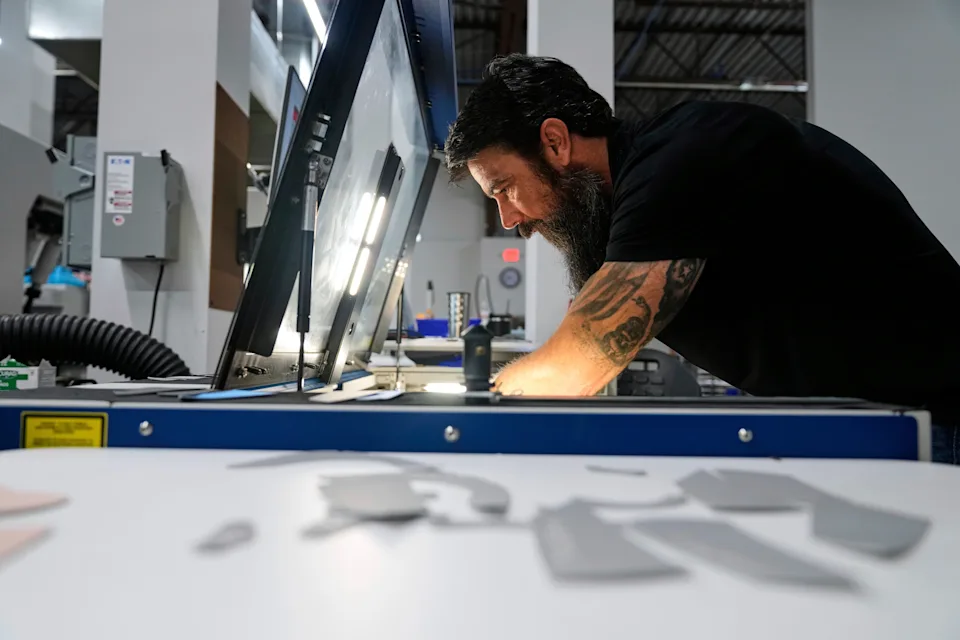
Even companies producing goods in the U.S. aren’t immune. Made Plus, a Maryland footwear manufacturer, had to shelve plans for a golf line due to key components—foam insoles and tread—being sourced from China. Despite producing shoes using advanced techniques like 3D printing and recycled materials, founder Alan Guyan said they’re “battening down the hatches,” looking into alternative suppliers from Vietnam, and stalling investment in new technology.
2. Uncertainty Discourages Tech Investment
While Guyan acknowledges that embracing new technology is vital to U.S. manufacturing competitiveness, he hesitates to invest in advanced machinery from overseas, citing unpredictable trade relations. “We’re just hoping the industry and community can help create enough pressure to bring some resolution,” he explained.
IV. R&D Stalls as Legal and Logistical Challenges Mount
1. Legal Action Reflects Industry Frustration
Learning Resources and its sister company, hand2Mind, filed a lawsuit against the Trump administration, arguing that the emergency powers used to impose tariffs were unconstitutional. Although a federal judge recently ruled in their favor, the administration appealed, and CEO Rick Woldenberg is prepared to take the case to the U.S. Supreme Court.
2. From 250 to 125: Innovation Cut in Half
The cost of compliance is reflected in product output. Woldenberg estimates that only half of their usual 250 annual product concepts will be developed for 2026. Roughly 30% of his 350-person team is now involved—at least part-time—in tariff-related work, reducing capacity for innovation.
One notable casualty? A next-generation line of interactive coding robots for kids, now postponed. These robots not only teach programming but also nurture critical thinking—skills essential to future-ready education.
Conclusion
While tariffs were introduced to protect and revitalize U.S. manufacturing, their unintended consequences are stifling the very innovation needed to drive economic growth. From eco-friendly home goods to STEM-focused toys and cutting-edge footwear, small businesses across the country are putting dreams on hold.
As large tech firms like Alphabet invest billions into AI development, smaller players—often the true engines of creativity—are caught in a cycle of uncertainty. To maintain America’s innovation edge, a stable, transparent, and forward-looking trade policy is essential. Until then, the future of American innovation remains in limbo.








