







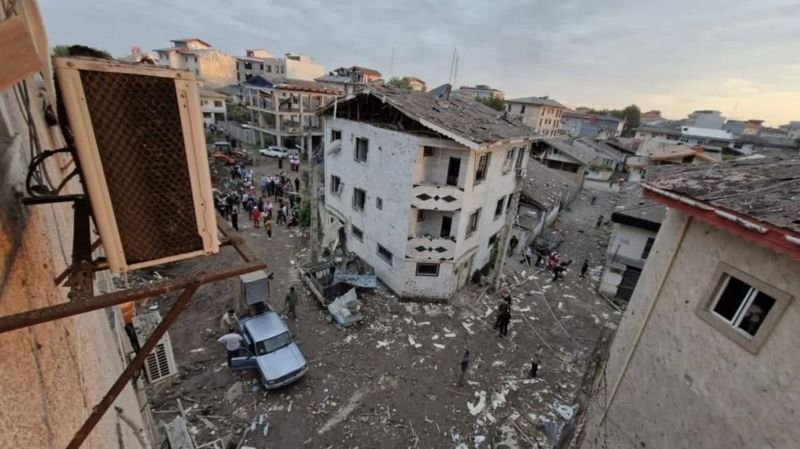


Just hours before a fragile ceasefire took effect between Iran and Israel, a high-ranking Iranian nuclear scientist, Mohammad Reza Seddiqi Saber, was killed in a devastating Israeli airstrike. The attack, which took place in the city of Astaneh-ye Ashrafiyeh in Iran’s Gilan province, also claimed the lives of eight other individuals. According to Iranian state media, the strike destroyed multiple residential units, with women and children among the injured.
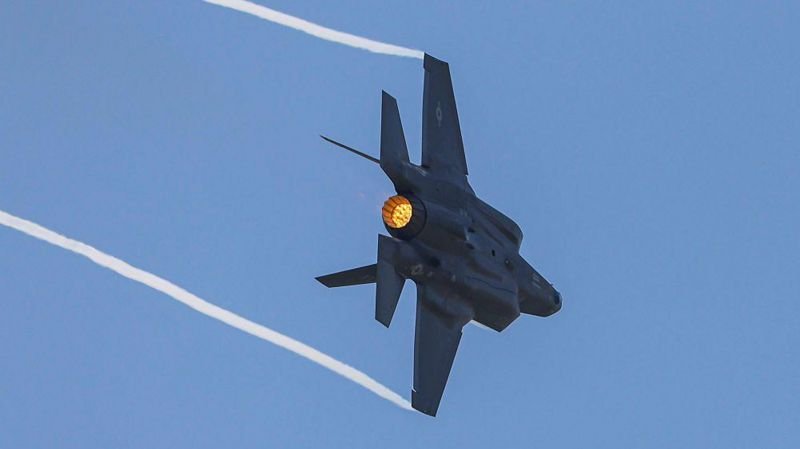

This late-night incident has further intensified concerns about the scope and humanitarian cost of the ongoing conflict, which erupted into a full-scale confrontation earlier this month. Although the ceasefire was announced by former U.S. President Donald Trump, both sides remain suspicious and continue to exchange fire, undermining the fragile truce.
I. The Impact of the Strike on Iranian Soil
1. Targeting a High-Value Nuclear Figure
According to Iranian sources, Seddiqi Saber was at his parents’ home when the Israeli missile struck. State TV later confirmed that the scientist—previously sanctioned by the United States for his work with Iran’s Organization of Defensive Innovation and Research (SPND)—was killed. The U.S. accused him of heading projects related to nuclear explosives development.
His death brings the number of senior Iranian nuclear scientists killed in recent Israeli operations to at least ten. The Israeli military claims that these individuals were central to Iran’s alleged progress toward nuclear weapons capability, although no direct evidence has been publicly presented.
2. Civilian Casualties and Structural Destruction
Ali Bagheri, deputy governor general of Gilan, described the strike as a “terrorist attack” on a residential building. Four apartments were reportedly demolished, injuring 33 people. Of those affected, 16 were women and children. Graphic videos and photographs from the scene showed widespread destruction, fires, and frantic rescue efforts.
This tragic event occurred in a region known more for its lush landscapes than for warfare. It underscores how deeply the conflict has penetrated everyday civilian life in Iran.
II. The Broader Context: Iran-Israel Tensions at Their Peak
1. Strategic Bombings and Retaliatory Strikes
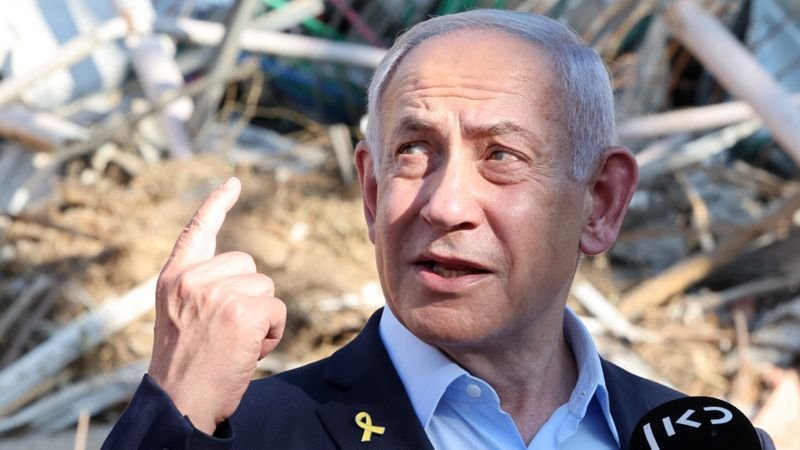
The airstrike in Gilan was part of Israel’s broader military campaign initiated on 13 June. Israeli Prime Minister Benjamin Netanyahu described the offensive as necessary to eliminate Iran’s “existential threats,” referring to its nuclear and ballistic missile capabilities.
In retaliation, Iran launched missile strikes that killed 28 people in Israel, according to Israeli sources. Meanwhile, Iran’s Health Ministry reported that 610 people had been killed by Israeli attacks, while a human rights group suggested the actual toll might be closer to 974.
2. Evin Prison Attack Raises Humanitarian Alarms
Among the most controversial incidents in the recent escalation was an Israeli strike on Evin Prison in Tehran. This facility, notorious for holding political prisoners, journalists, and foreign nationals, was heavily damaged. Iran’s judiciary confirmed casualties but did not provide specific numbers.
Prominent human rights advocate and Nobel Peace Prize laureate Narges Mohammadi said the prison infirmary was destroyed, leaving wounded inmates without medical care. The UN criticized the bombing as a “grave breach of international humanitarian law,” arguing that Evin was not a legitimate military target.
III. Ceasefire Amid Ongoing Violence
1. Trump’s High-Stakes Gamble
Former U.S. President Donald Trump announced the ceasefire late Monday, stating it would come into effect at 05:00 GMT Tuesday. He warned both sides against violating the agreement. However, shortly after, Israel claimed to have intercepted new Iranian missile attacks and vowed to retaliate, questioning the viability of the truce.
Iranian President Masoud Pezeshkian stated that Iran would honor the ceasefire as long as Israel did, although skepticism abounds. Many Iranians expressed doubt that the ceasefire would hold, seeing it as a forced arrangement rather than a genuine step toward peace. “They’ve both been pushed into this,” one Iranian citizen told BBC Persian. “If they had the resources to continue, this ceasefire wouldn’t have happened.”
2. A War Orchestrated?
Another Iranian man speculated that the conflict was more calculated than chaotic, suggesting both Israel and the U.S. achieved strategic goals — the destruction of Iranian military and nuclear infrastructure — while Iran responded minimally to save face. “But ordinary people suffered the most,” he lamented.
This sentiment is widely echoed among civilians caught in the crossfire. A woman speaking to BBC Persian feared that the Iranian regime, wounded and humiliated, would redirect its anger internally, leading to intensified domestic repression.
IV. Humanitarian Crisis Deepens
1. Families Mourn Lost Loved Ones
The airstrike that killed Seddiqi Saber also robbed him of a family. Iranian media reported that he had been staying at his parents’ home after losing his 17-year-old son to an earlier Israeli attack on their Tehran residence. These personal tragedies are a microcosm of the broader devastation across the region.
Social media posts and local videos showed crowds attempting to rescue survivors amid flames and crumbling structures. Despite the lack of direct access to the ground for international journalists, eyewitness footage confirms the extensive civilian toll.
2. Displacement and Emergency Measures
Iranian authorities have started transferring prisoners from Evin to other locations, citing the need to provide space for emergency response teams. However, with many injured and healthcare infrastructure already strained, aid workers fear a humanitarian disaster is unfolding.
In Beersheba, Israel, four civilians were also killed when an Iranian missile struck an apartment building hours before the ceasefire began. The Israeli President condemned the attack as “outrageous and extremely painful,” pointing to the tragic symmetry of civilian deaths on both sides.
Conclusion: Ceasefire Offers Little Respite for Civilians
The killing of Mohammad Reza Seddiqi Saber just before the ceasefire is emblematic of the broader tragedy playing out between Iran and Israel. While political leaders attempt to frame the ceasefire as a diplomatic success, the cost has already been catastrophic for countless families.
Despite the temporary cessation of hostilities, trust between the two nations remains virtually nonexistent. With strategic sites still being targeted and civilians paying the price, the road to peace is fraught with peril.
The international community must now focus on de-escalation, humanitarian aid, and accountability. Without real steps toward dialogue and reconciliation, the cycle of violence will only continue — leaving more mothers, children, and innocent people to suffer the consequences of a war they never chose.








