






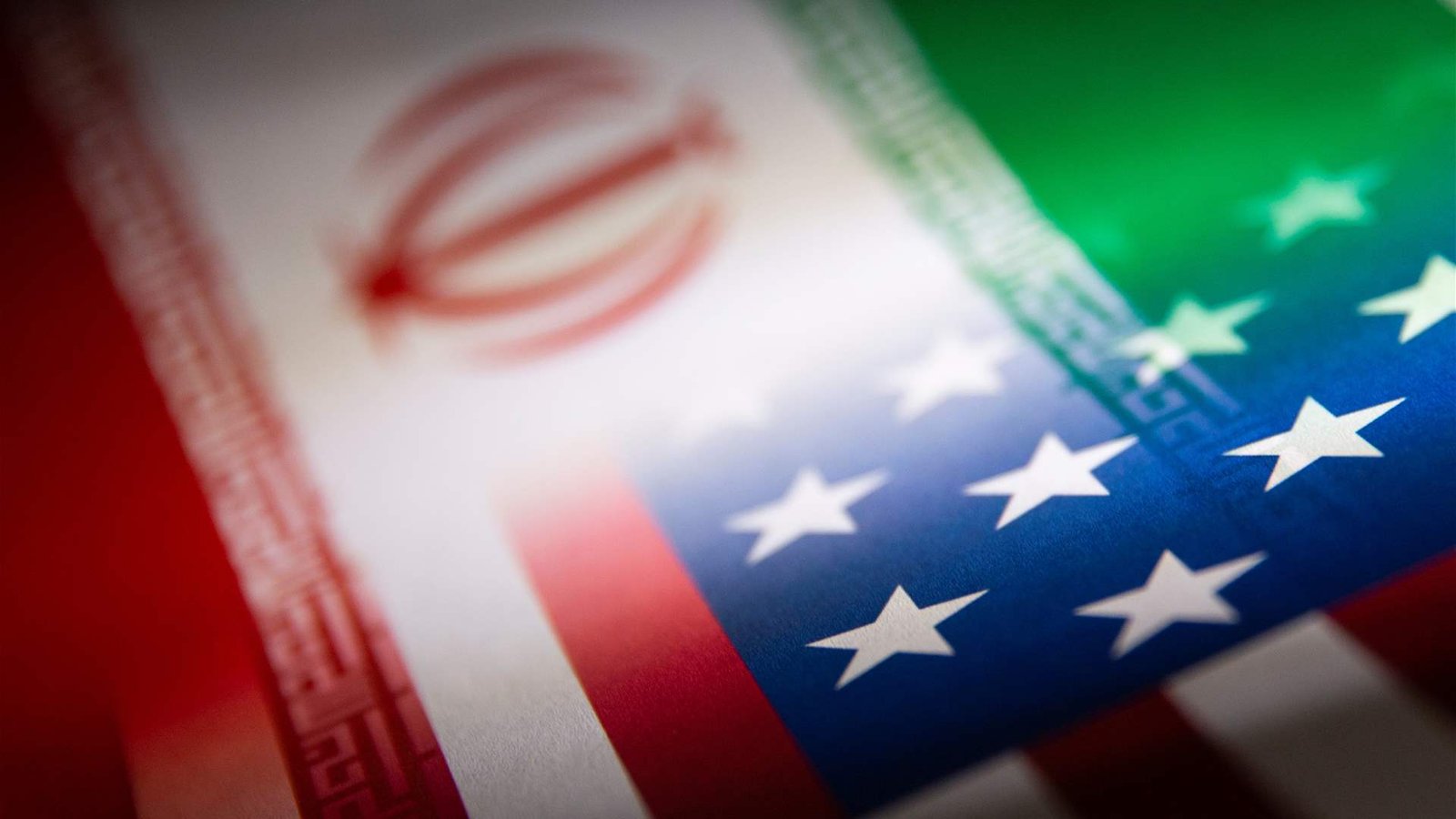

In a significant diplomatic development, U.S. Special Envoy Steve Witkoff and Iranian Foreign Minister Abbas Araghchi have held several private phone calls over the past week. These conversations, confirmed by three diplomats familiar with the situation, represent the most in-depth dialogue between the two countries since indirect negotiations began in April. The discussions come as tensions rise sharply following Israeli airstrikes on Iran, with Tehran demanding an end to the attacks as a precondition for resuming nuclear talks.

I. Renewed Diplomatic Contact Between U.S. and Iran
1. Phone Talks Mark a Shift in Communication Strategy
The recent phone calls between Witkoff and Araghchi mark a pivotal shift from indirect to direct communication. According to unnamed diplomats, these conversations are the first extended exchanges between the two since the crisis intensified. Previously, their encounters were limited to brief interactions during multilateral meetings in Oman and Italy. The current situation, however, has necessitated more substantive dialogue in hopes of avoiding a broader conflict.

2. Iran’s Condition: End Israeli Attacks
A central point in the discussions has been Iran’s insistence that Israeli military strikes cease before any formal negotiations can resume. Sources said Araghchi made it clear that Tehran would not rejoin the nuclear talks if the attacks continued. This demand places the U.S. in a delicate position, as it tries to balance pressure on Israel with efforts to re-engage Iran diplomatically. A European diplomat echoed this sentiment, stating that Iran is prepared to return to talks, but only under the condition that Israel halts its military operations.
II. U.S. Proposal for Regional Uranium Enrichment
1. Proposal Presented at the End of May
One element discussed in the recent calls was a U.S. proposal delivered to Iran at the end of May. This plan suggests forming a regional consortium to enrich uranium outside Iranian territory. The initiative aims to reduce nuclear proliferation risks while allowing Iran to maintain access to nuclear technology for peaceful purposes. However, Iran has yet to accept the offer, and its stance remains unchanged amid ongoing hostilities.
2. Washington Seeks a Compromise on Red Lines
The phone discussions, initiated by Washington, also attempted to bridge fundamental disagreements between the two nations. A regional diplomat close to Tehran told Reuters that the U.S. floated a new proposal intended to overcome the current stalemate. The initiative seeks to balance Iran’s nuclear ambitions with regional security concerns. According to the source, Tehran may be open to reconsidering its position on the nuclear issue—provided the U.S. can rein in Israeli aggression.

III. Shifting Dynamics in U.S.-Iran-Israel Relations
1. Israel’s Actions Complicate Diplomatic Progress
Israel’s military campaign against Iran, which began on June 13, has significantly complicated diplomatic efforts. For Iran, the attacks are not only a breach of sovereignty but also a strategic obstacle to resuming dialogue. Tehran has made it clear that it will not entertain negotiations under fire, putting additional pressure on Washington to mediate or de-escalate the situation. This puts the Biden administration in a challenging spot, having to manage the interests of both a key regional ally and a volatile adversary.
2. Potential for Flexibility on Nuclear Policy
Despite the firm stance, Iran has shown limited signs of flexibility. According to a regional diplomat, Araghchi suggested that Iran could adopt a more accommodating posture on its nuclear program if the United States applied enough pressure on Israel to stop its military operations. While no concrete agreement has been reached, this openness indicates a potential diplomatic window that could be exploited to revive the stalled talks.
3. Unprecedented Direct Dialogue Signals Progress
These latest phone exchanges represent a notable development in a relationship historically defined by hostility and indirect diplomacy. Though both countries have maintained channels through intermediaries for years, direct conversations between senior officials like Witkoff and Araghchi are rare. That they are now engaging in substantive dialogue is seen by many observers as a modest but crucial step toward reducing regional tensions.
IV. Broader Implications for Regional Stability
1. Pressure on Washington to Influence Israeli Policy
Tehran’s condition that Israel halt its attacks places immense pressure on the United States, which has long been Israel’s primary ally. The challenge for Washington lies in persuading Israel to scale back its actions without appearing to compromise its support. A successful negotiation could set a precedent for U.S. diplomatic leverage in managing future conflicts involving its allies and adversaries alike.
2. Revival of Nuclear Deal Talks Still Possible
While the current circumstances are tense, there remains a pathway to reviving the nuclear deal discussions. The proposal to enrich uranium outside Iran, although initially rejected, may be reconsidered if security conditions improve. The willingness of both parties to engage directly—even under these conditions—suggests that diplomacy has not been entirely exhausted.
3. Potential for Broader Diplomatic Framework
The idea of a regional uranium enrichment consortium could, if developed further, lay the groundwork for broader cooperation in the Middle East on nuclear and energy policy. While the concept remains in its early stages, it reflects a growing recognition that regional solutions may be more sustainable than unilateral or bilateral deals. Such an initiative would require trust-building measures and active participation from other regional stakeholders, potentially creating a more stable long-term security environment.
Conclusion
The direct communication between U.S. envoy Steve Witkoff and Iranian Foreign Minister Abbas Araghchi underscores a fragile but emerging opportunity for diplomacy amidst escalating conflict. With Tehran demanding an end to Israeli attacks as a precondition for rejoining nuclear talks, and Washington offering innovative proposals to bridge deep divides, the door to negotiation remains open—albeit narrowly. Whether this window leads to de-escalation or further confrontation will depend on the next moves by all involved parties. In a region where tension can quickly spiral into open conflict, sustained diplomatic engagement remains the most viable path forward.








