



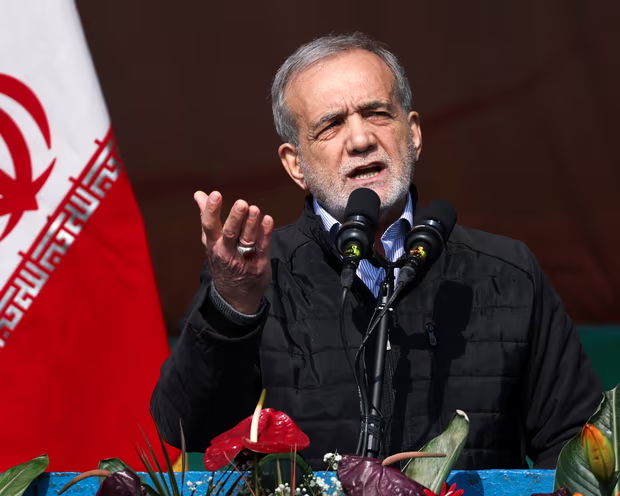


Tensions between Iran and the international community are reaching new heights, as Iranian President Masoud Pezeshkian expressed deep mistrust toward the United Nations’ nuclear oversight body during a phone conversation with French President Emmanuel Macron. This expression of discontent coincides with increasing internal frustration in Iran over perceived Western hypocrisy and the rising death toll from the recent 12-day air conflict with Israel and the United States.
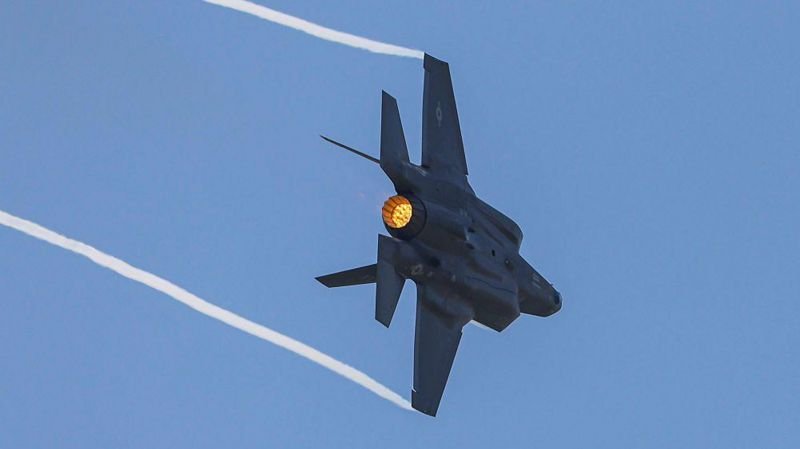
According to Iranian authorities, the military confrontation resulted in 935 casualties, including 38 children and 132 women. While the Iranian leadership voices grievances over international inaction, particularly from the International Atomic Energy Agency (IAEA), European governments have issued a strong statement backing the agency and its director general, Rafael Grossi.
I. DIPLOMATIC FRICTION OVER NUCLEAR OVERSIGHT
1. Iranian Leadership Criticizes the IAEA
During his recent call with President Macron, President Pezeshkian condemned the IAEA, accusing Director General Rafael Grossi of failing to denounce what Iran views as clear violations of the UN Charter and the Nuclear Non-Proliferation Treaty (NPT) by Israel and the United States. Iran claims that its nuclear facilities were attacked in defiance of international law, and that the IAEA’s silence signals bias.
Though Pezeshkian’s language was diplomatic, it reflects growing fury within Iran. Conservative media outlets, such as the hardline Kayhan newspaper, went so far as to call for Grossi’s arrest and execution, accusing him of links to Israel’s intelligence agency, Mossad.
2. Western Nations Defend the UN Agency
In response to these accusations, the UK, France, and Germany released a joint statement condemning threats directed at Grossi. They affirmed their full support for the IAEA’s mandate and urged Iran to maintain its cooperation with the agency. The statement also emphasized the need to safeguard IAEA personnel and called on Tehran to resume full compliance with its legal obligations.
The European powers stressed that any further erosion of transparency could increase instability in the region and undermine the global non-proliferation regime.
II. GRIEVANCES OVER DOUBLE STANDARDS AND NPT ENFORCEMENT
1. Iran’s Questioning of Global Fairness
Iranian frustration is rooted in what it views as unequal treatment under the global nuclear order. Tehran has voiced repeated objections to Israel’s status as a non-signatory of the NPT while still playing a role in shaping IAEA assessments. President Pezeshkian questioned the credibility of allowing evidence from Israel in IAEA reports while denying Iran the opportunity to clarify damage assessments independently.
He asked President Macron pointedly: “What guarantee do we have that, even if we comply, our facilities won’t be targeted again?”
2. Refusal to Grant Nuclear Site Access
Adding to the discord, Iranian authorities have denied the IAEA access to independently evaluate the extent of the damage to their nuclear infrastructure. Instead, information about the damage has been filtered through unofficial U.S.-based sources, which Iran argues are politically motivated. This refusal to allow verification is a key concern for Western powers who fear a lack of transparency around Iran’s nuclear ambitions.
III. BACKCHANNEL TALKS AND POTENTIAL DIPLOMATIC SOLUTIONS
1. Rumors of Indirect Negotiations
While there have been persistent rumors of backchannel communications between Iran and the United States, mediated by Oman, Tehran’s Deputy Foreign Minister Majid Takht-Ravanchi denied any agreed-upon timeline or confirmed plans for talks. He maintained that no dates had been set for renewed negotiations.
These indirect dialogues are said to focus on reducing tensions and potentially reviving elements of the 2015 Iran nuclear deal, also known as the Joint Comprehensive Plan of Action (JCPOA), which has eroded since the U.S. withdrawal in 2018.
2. A Proposed Compromise from Washington
According to reports, U.S. Special Envoy Steve Witkoff has floated a proposal that would allow Iran to enrich uranium—one of its longstanding demands—but only under stringent conditions. The enrichment would be conducted on the Iranian island of Kish through an international consortium, with strict oversight and limits designed to reduce proliferation risks.
While this proposal has not been publicly endorsed, it represents an attempt to find middle ground between Iran’s right to nuclear technology and the international community’s concerns over potential weaponization.
IV. EXPERT OPINIONS ON THE ESCALATING CRISIS
1. Former Diplomat Questions Israel’s Gains
Nicholas Hopton, a former UK ambassador to Iran, spoke at a Royal United Services Institute seminar, suggesting that although the Iranian regime suffered significant blows during the conflict, Israel may not have achieved its broader objectives, such as destabilizing or toppling the government in Tehran.
He also highlighted the concerning lack of transparency regarding Iran’s nuclear program. “Three weeks ago, there was little indication Iran was speeding toward a nuclear weapon,” Hopton said. “Now, 400 kilograms of highly enriched uranium are missing, and it may take the IAEA a long time to make an accurate assessment.”
2. Analyst Critiques the Official Iranian Narrative
Ali Ansari, a professor of Iranian history at St Andrews University, expressed skepticism about Iran’s claim of triumph in its standoff with Israel. He likened the messaging to George Orwell’s concept of “nationalism and indifference to reality.” According to Ansari, beneath the surface, Iranian leadership is holding intense internal discussions on failures in national defense, civil protection, and the widespread infiltration of its security forces.
“The people are starting to question the state’s ability to protect them,” Ansari said. “The version of the Islamic Republic that entered this conflict will not be the same one that emerges from it.”
Conclusion
The current strain between Iran and the IAEA reveals deeper fault lines in the international nuclear oversight system and illustrates the profound consequences of regional conflicts on diplomatic frameworks. As Iran grapples with the aftermath of a deadly military confrontation and rising domestic unrest, its trust in international institutions like the IAEA is crumbling.
While efforts to revive dialogue continue in the background, Iran’s refusal to provide access to nuclear sites and its demands for equitable treatment under the NPT raise significant concerns for regional stability. Without mutual trust and transparency, the path forward remains uncertain. The stakes—for Iran, the international community, and the broader Middle East—could not be higher.