






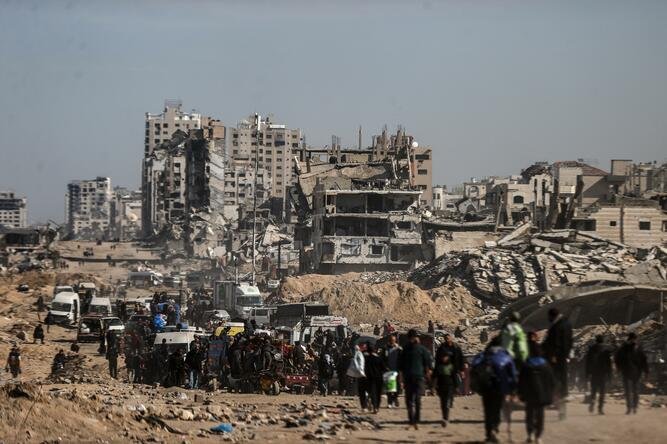

In a significant humanitarian gesture, Japan will soon welcome two individuals from the Gaza Strip in need of medical care, marking the country’s first direct medical support initiative for Palestinians affected by the ongoing Israeli offensive. According to Japanese government sources on Tuesday, the patients—one of whom had been hospitalized in Egypt after sustaining injuries in Gaza—are scheduled to arrive in Japan on Wednesday and Friday, respectively, for treatment at the Self-Defense Forces Central Hospital in Tokyo.

I. Japan’s First Medical Support for Gaza
1. Humanitarian Aid in Response to Crisis
This move represents Japan’s inaugural step in offering direct medical assistance to Palestinians amid the humanitarian crisis in Gaza. The transfer of the patients has been arranged at the request of the World Health Organization (WHO), underscoring global concern for the escalating toll of the conflict. Japanese officials emphasized that the objective is strictly to provide medical care—not to relocate individuals from Gaza to Japan permanently.

2. Treatment Arrangements and Facilities
Both patients will receive treatment at the Self-Defense Forces Central Hospital, a premier medical institution in Tokyo known for handling critical care cases. The facility has previously supported international humanitarian efforts, including hosting injured Ukrainian soldiers, which reflects Japan’s evolving role in providing non-combat support in global crises.

II. Context of Japan’s Position on the Gaza Conflict
1. Diplomatic Balance Between Israel and Muslim Nations
Japan has long maintained a delicate diplomatic balance in the Middle East, given its reliance on the region for vital energy resources, especially oil. While Israel is a key ally of the United States—Japan’s closest security partner—Tokyo has also historically built ties with Muslim-majority countries through development aid and diplomatic engagement. This careful positioning reflects Tokyo’s broader foreign policy of neutrality and humanitarian responsibility.
2. Japan’s Stance Since October 2023
The current conflict in Gaza escalated following Hamas’s surprise attack on Israel in October 2023, prompting a large-scale Israeli military response. Since then, Japanese Prime Minister Shigeru Ishiba has indicated a willingness to support humanitarian efforts. In a parliamentary session held in February, Ishiba stated that the government was actively exploring ways to accept those injured or ill in Gaza as part of its humanitarian outreach.

III. Japan’s Broader Humanitarian Strategy
1. Medical Support for Ukraine
Japan’s decision to accept injured individuals from Gaza aligns with its previous humanitarian actions in global conflicts. As part of its support for Ukraine following Russia’s full-scale invasion in February 2022, Japan took in wounded Ukrainian soldiers for medical treatment. These actions reflect Tokyo’s commitment to international humanitarian norms without direct involvement in military operations.
2. Responding to WHO Appeals
Japan’s current effort also demonstrates its responsiveness to multilateral institutions. The World Health Organization played a crucial role in coordinating this latest humanitarian operation, and Tokyo’s quick action illustrates its support for global health initiatives, especially during complex geopolitical emergencies.
3. Strengthening Japan’s Humanitarian Identity
By extending medical care to civilians impacted by international conflicts, Japan enhances its reputation as a responsible global actor. Although not a frontline player in Middle Eastern politics, Tokyo’s contributions add a valuable dimension to diplomatic engagement by focusing on humanitarian outcomes rather than political leverage.
IV. Public and International Reception
1. Domestic Support for Humanitarian Outreach
Within Japan, the initiative has drawn moderate public support, as citizens increasingly view international crises through a humanitarian lens. While Tokyo remains cautious in taking strong political stances, public sentiment tends to favor actions that demonstrate empathy without entangling the country in foreign conflicts.
2. Positive Signals to Arab Nations
This medical support could also serve to strengthen Japan’s standing among Arab and Muslim-majority countries. By demonstrating solidarity with Palestinians suffering in Gaza, Japan reassures its Middle Eastern partners of its balanced approach. This could yield diplomatic dividends, particularly as Tokyo seeks to diversify energy ties and bolster its economic influence in the region.
3. Neutrality as a Diplomatic Advantage
Japan’s neutral posture—offering humanitarian assistance while avoiding involvement in the political dimensions of the Gaza conflict—may position it as a potential mediator or trusted partner in broader peace-building discussions. Its non-aligned stance allows it to engage both Western allies and Middle Eastern partners without appearing biased.
V. Future Implications and Considerations
1. Scope for Expanding Humanitarian Role
Japan’s acceptance of these two patients could set a precedent for future humanitarian missions. Depending on the situation in Gaza and future appeals from organizations like the WHO or the United Nations, Japan may be open to additional initiatives involving medical, food, or logistical support.
2. Challenges in Scaling Medical Aid
Despite the positive gesture, the logistical and political complexities of expanding such aid programs remain. Questions about capacity, security protocols, and the potential political ramifications of admitting more patients from conflict zones will require careful consideration by Japanese authorities.
3. Importance of International Coordination
Efforts like these highlight the necessity for coordinated action among nations and international bodies. Japan’s successful execution of this medical mission underscores how collaborative diplomacy—anchored in humanitarian principles—can yield tangible results even in highly polarized global conflicts.
Conclusion
Japan’s decision to accept two injured individuals from the Gaza Strip for medical treatment marks a milestone in its humanitarian engagement in the Middle East. While the initiative is modest in scope, it sends a powerful message of compassion and global solidarity. By responding to the WHO’s call, Tokyo not only addresses urgent medical needs but also reinforces its role as a humanitarian ally in global affairs. Balancing its foreign relations with both Israel and Muslim nations, Japan continues to carve a distinct diplomatic identity rooted in neutrality, responsibility, and empathy—principles that remain vital in today’s conflict-ridden world.








