






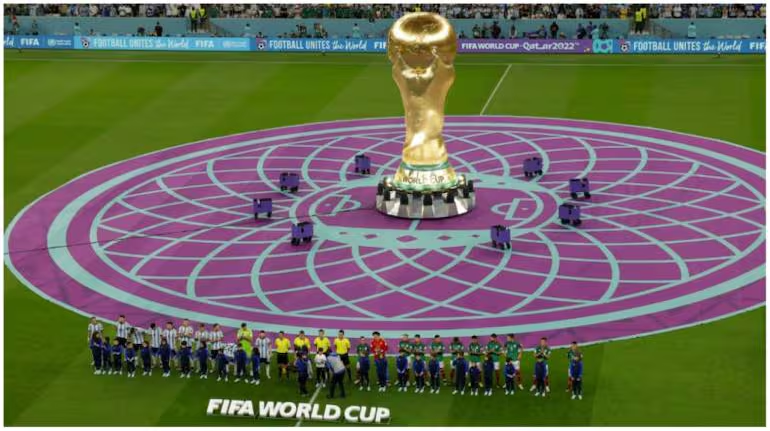


Global sporting events such as the FIFA World Cup, the Olympic Games, and the Commonwealth Games are not only showcases of athletic excellence, but also immense infrastructure projects that often require years of preparation. These events bring with them an international spotlight that highlights not only a host nation’s sporting achievements, but also its social, economic, and political realities. Among the most scrutinized aspects in recent years has been the treatment of workers involved in building the infrastructure and supporting services for these events.
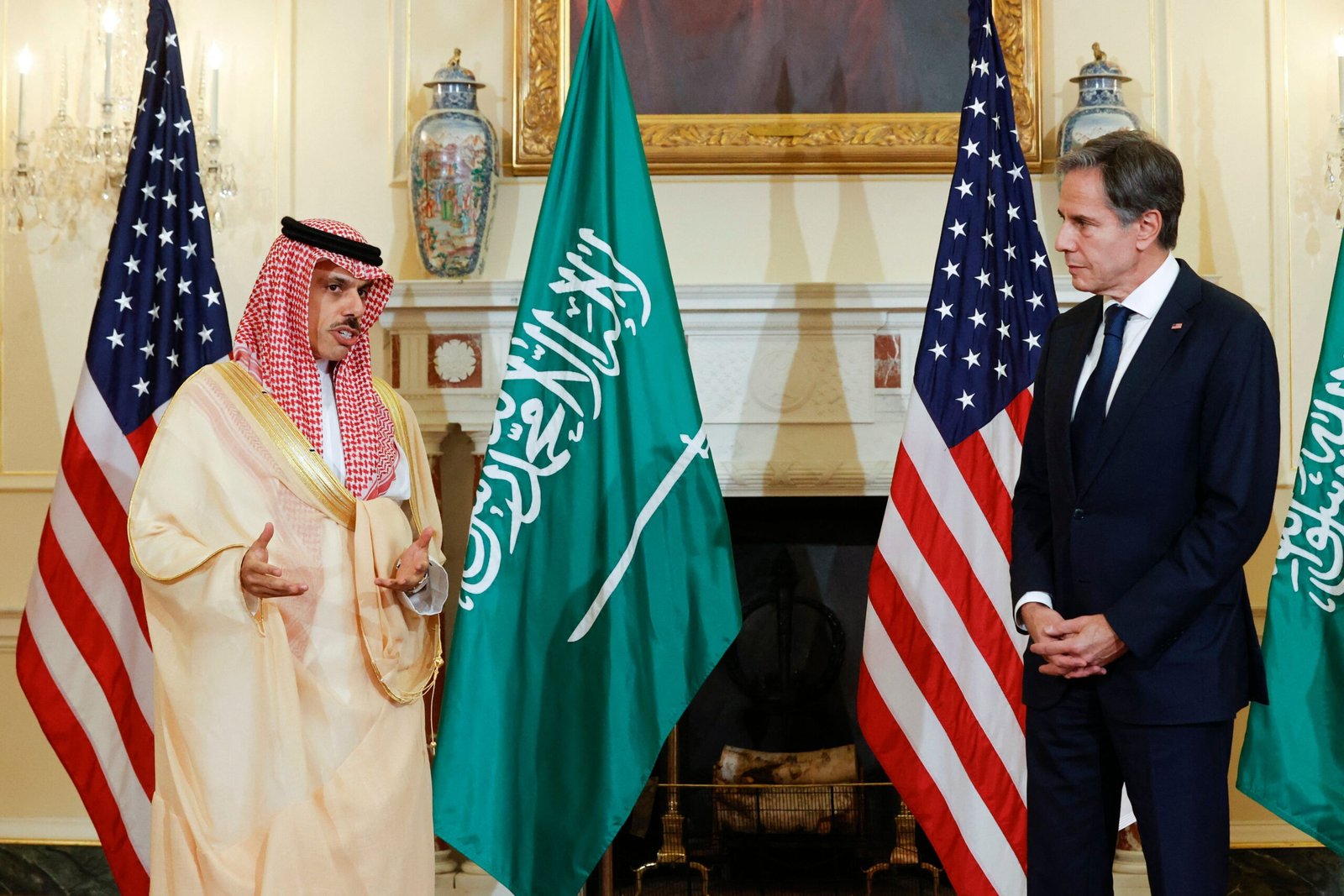

In response to increasing global awareness and criticism of labor exploitation—especially involving migrant workers—several host nations have implemented labor reforms. This essay delves into the labor reforms introduced ahead of major global sporting events, exploring the motivations behind these changes, the scope and effectiveness of reforms, challenges faced, and their broader implications for global labor standards.
1. The Nexus Between Sports and Labor Rights
Global sporting events are labor-intensive undertakings. Host nations often embark on ambitious construction projects—stadiums, roads, airports, hotels, and public transportation systems—to prepare for millions of visitors and international scrutiny. These infrastructure booms are frequently powered by low-wage labor, often provided by migrant workers.
Historically, host countries have come under fire for exploitative labor practices: unsafe working conditions, unpaid wages, lack of freedom of movement, inhumane housing, and abusive employer relationships. International NGOs, journalists, trade unions, and human rights bodies have increasingly turned their attention to these practices, especially in authoritarian or developing countries with weak labor protections.
2. The Catalyst: Qatar and the 2022 FIFA World Cup
Perhaps the most prominent example in recent memory is Qatar’s hosting of the 2022 FIFA World Cup. The small Gulf nation faced unprecedented international criticism after reports emerged about the treatment of migrant workers—primarily from South Asia—working on stadiums and related infrastructure.
Under the kafala (sponsorship) system, workers were tied to their employers, unable to change jobs or leave the country without employer consent. Allegations of passport confiscation, long working hours in extreme heat, and withheld wages were widespread. Human rights organizations, including Amnesty International and Human Rights Watch, launched campaigns to pressure FIFA and the Qatari government into action.
Reforms in Response
Under mounting global scrutiny, Qatar undertook several labor reforms in partnership with the International Labour Organization (ILO):
-
Abolishment of the Kafala System: As of 2020, Qatar officially ended the requirement for employer permission to change jobs.
-
Introduction of a Minimum Wage: In 2021, Qatar introduced a non-discriminatory minimum wage (the first in the Gulf region), benefiting around 400,000 workers.
-
Wage Protection System (WPS): Implemented to ensure that salaries are paid on time via electronic transfer.
-
Occupational Safety Improvements: Including heat stress legislation, rest breaks, and mandatory health checks.
-
Labor Dispute Resolution: Establishment of committees to expedite resolution of wage-related disputes.
While these reforms were welcomed internationally, enforcement remains a challenge. Many rights groups argue that abuses persist due to weak implementation and retaliation against whistleblowers.
3. Brazil’s Preparations for the 2014 World Cup and 2016 Olympics
Brazil hosted two major international sporting events within two years: the 2014 FIFA World Cup and the 2016 Summer Olympics in Rio de Janeiro. These events necessitated massive infrastructure upgrades and urban transformation projects.
While Brazil had relatively progressive labor laws, several criticisms emerged during these periods:
-
Use of Temporary and Informal Workers: A significant portion of the labor force was hired informally, often without contracts or legal protections.
-
Worker Fatalities: Reports indicated multiple worker deaths during stadium construction, drawing attention to inadequate safety measures.
-
Displacement and Social Impacts: Tens of thousands were forcibly evicted or displaced from favelas and low-income areas due to development.
In response, Brazil did not pass major legislative labor reforms specific to the events. However, labor inspections were intensified, and worker safety standards were updated in some construction zones. Labor unions played a critical role in negotiating compensation and safety protocols. Unfortunately, many protections were temporary, and worker advocacy groups argued that long-term impacts on labor conditions were minimal.
4. Russia and the 2018 FIFA World Cup
Russia’s 2018 World Cup involved extensive construction projects across 11 cities. Human Rights Watch and other organizations raised concerns about unpaid wages, forced labor (particularly involving North Korean workers), and harsh conditions for migrant workers.
In response to international criticism and FIFA’s insistence on ethical sourcing, Russia made certain improvements:
-
Greater Transparency: Russia cooperated with FIFA to allow monitoring of labor practices on stadium projects.
-
Contract Enforcement: Subcontractors were held more accountable for worker rights violations.
-
Labor Inspections: Increased labor inspectorate visits at FIFA construction sites.
However, these reforms were narrow in scope and primarily focused on projects directly associated with FIFA, not broader systemic labor issues. Violations continued outside the direct gaze of international bodies, underscoring the limitations of event-specific reforms.
5. China and the 2022 Winter Olympics
China’s hosting of the 2022 Winter Olympics sparked concerns about labor and human rights, especially given the political climate surrounding Xinjiang and the treatment of Uyghurs. While the government boasted efficient infrastructure development, civil society groups warned of forced labor in supply chains and lack of transparency.
China did not implement major public labor reforms in connection with the Olympics. The centralized and opaque nature of its political system made verification difficult. Western companies and governments, however, increased due diligence on supply chain ethics and worker conditions in response to global scrutiny.
6. Broader Trends and Reforms
While labor reforms have varied widely depending on the host country and international pressure, several trends can be identified:
A. Event-Driven Compliance
Host nations often introduce short-term reforms to comply with international expectations or requirements set by organizations like FIFA or the International Olympic Committee (IOC). These reforms are sometimes limited to official venues or specific industries, leaving broader labor markets unchanged.
B. Partnering with International Institutions
Countries under scrutiny have increasingly collaborated with international organizations such as the ILO to lend credibility to their reform efforts. This partnership model allows for technical support and monitoring but requires genuine political will for success.
C. Legal Reforms with Weak Implementation
Many reforms exist on paper but lack enforcement. Loopholes, corruption, limited worker awareness, and fear of retaliation weaken the real-world impact of labor laws.
D. Pressure from Civil Society and Media
Investigative journalism, union advocacy, and NGO campaigns have been instrumental in highlighting abuses and mobilizing international opinion. Without such pressure, many governments would lack incentive to reform.
7. Legacy and Long-Term Impact
A critical question remains: Do labor reforms implemented before global sporting events result in lasting change?
In Qatar, the ILO maintains a presence and continues to monitor reform implementation post-World Cup. Some labor experts are cautiously optimistic that the momentum can lead to broader regional change, particularly if other Gulf nations follow suit.
In contrast, other nations like Brazil and Russia have seen reforms dissipate once global attention faded. Without long-term political commitment, judicial independence, and active civil society, reforms risk becoming performative gestures rather than structural improvements.
Moreover, in authoritarian regimes where transparency is limited, reforms may serve more as international public relations than genuine change.
8. Ethical Responsibility of Sporting Bodies
Organizations like FIFA, the IOC, and others play a pivotal role in shaping labor practices by setting requirements in their bidding and hosting contracts. Their ethical sourcing policies, human rights pledges, and oversight mechanisms can influence host country behavior.
In recent years, FIFA has adopted new human rights policies, requiring hosts to comply with international labor standards. The IOC has also made commitments to sustainable and ethical hosting. However, critics argue these bodies still prioritize commercial interests over social justice and need stronger enforcement mechanisms.
Conclusion: The Potential for Sporting Events to Drive Social Change
Global sporting events wield tremendous soft power. When properly leveraged, they can serve as catalysts for labor reform and human rights advancement. However, this potential is often squandered when reforms are symbolic, temporary, or poorly enforced.
To ensure that labor reforms introduced ahead of global sporting events have meaningful and lasting impact, several steps are essential:
-
Institutional Accountability: Sporting bodies must enforce labor standards as strictly as they do commercial contracts.
-
Worker Participation: Reforms should include the voices of workers, unions, and grassroots organizations to ensure that policies address real needs.
-
Sustained Oversight: Independent monitoring must continue after events end to prevent regression.
-
Public Transparency: Open data and access for journalists and NGOs are vital to maintain pressure and verify compliance.
Ultimately, the global community—including fans, athletes, corporations, and international institutions—must hold host nations accountable, not just for the spectacle they deliver, but for the dignity and rights of the people who make those spectacles possible.