






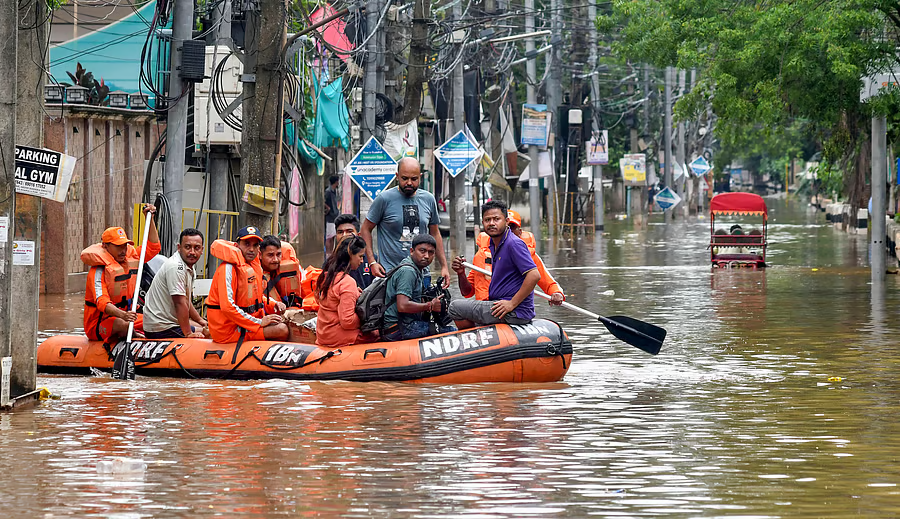


The annual monsoon season, once celebrated for bringing life-giving rains to drought-prone regions, has turned deadly and destructive in recent months. In a harrowing display of nature’s unpredictability and intensity, monsoon rains have triggered massive flooding across several countries, forcing widespread evacuations, overwhelming infrastructure, and leaving entire communities in crisis. From South Asia to Southeast Asia and parts of East Africa, this season’s monsoon has become a climate emergency, displacing millions and exposing the growing vulnerabilities of urban planning, infrastructure, and emergency response systems.
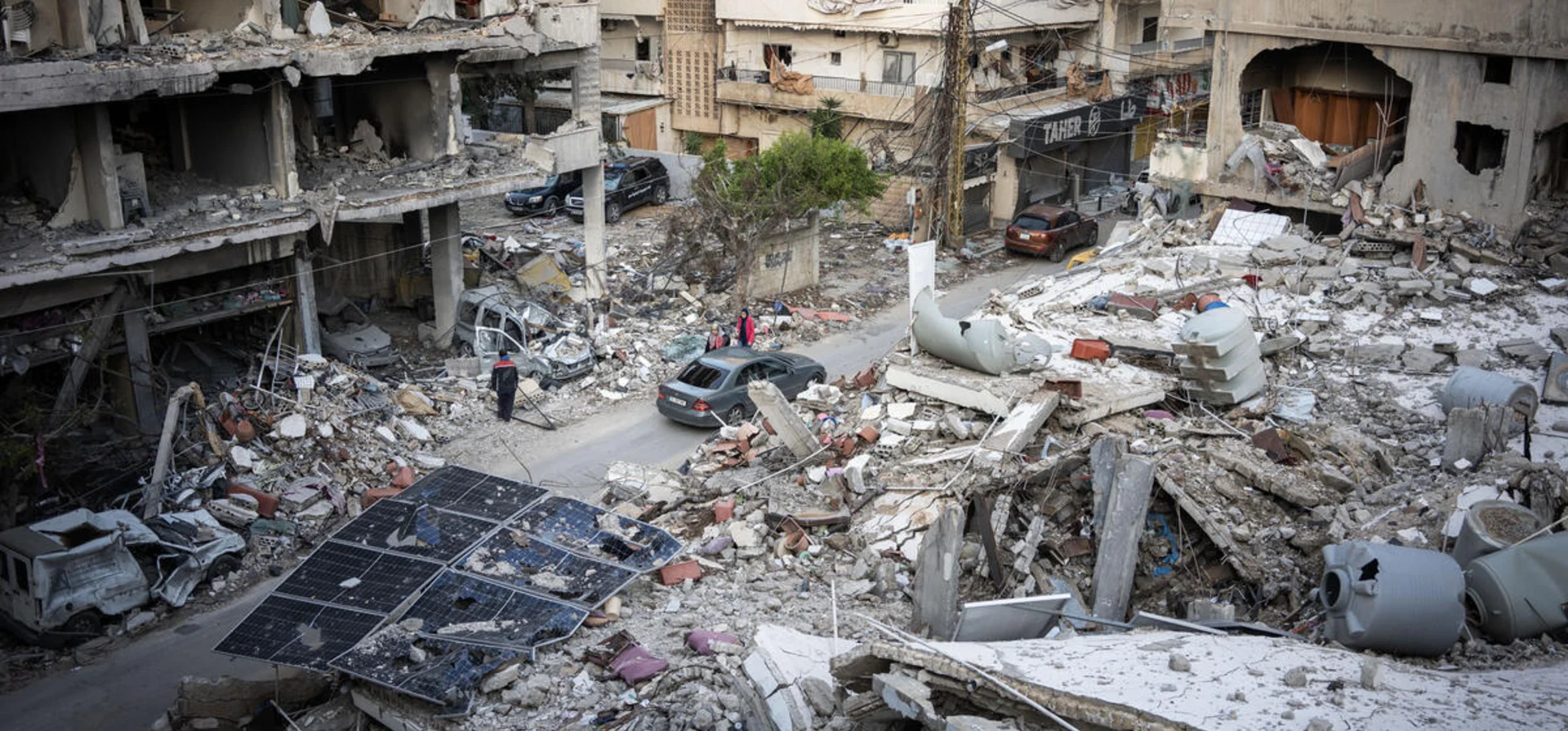

The Scale of the Crisis
Across India, Bangladesh, Nepal, Pakistan, Myanmar, and the Philippines, torrential rains have inundated low-lying regions, submerging homes, roads, schools, and agricultural land. In India alone, more than 3 million people have been displaced in Assam, Bihar, and West Bengal, while cities like Mumbai and Delhi have experienced crippling traffic, electricity blackouts, and water contamination.

In Bangladesh, over one-third of the country has been underwater, with riverbanks overflowing due to intense upstream rainfall and glacial melt from the Himalayas. Meanwhile, Nepal’s mountainous terrain has suffered from landslides, cutting off access to remote villages and triggering multiple fatalities.
This year’s monsoon flooding has been one of the worst in recent decades, not only in terms of water volume but also in its unpredictability, intensity, and long-lasting effects. The floods are no longer just a seasonal inconvenience — they have become a recurring humanitarian and development catastrophe.
Climate Change and the Intensification of Monsoon Rains
Experts increasingly attribute the severity of monsoon flooding to climate change. Global warming is altering atmospheric and oceanic patterns, increasing the moisture content in the air and fueling extreme rainfall events. Warmer oceans and higher land temperatures are disrupting traditional monsoon cycles, making rainfall more erratic but also more intense.
In many regions, rainfall that once fell over several weeks is now compressed into a few days, overwhelming both natural and man-made drainage systems. This sudden deluge leads to flash floods, river overflows, and dam breaches. Moreover, the rise in sea level exacerbates coastal flooding, particularly in delta regions like the Ganges-Brahmaputra delta.
The Intergovernmental Panel on Climate Change (IPCC) has warned that without aggressive mitigation efforts, South and Southeast Asia will face increasing risks of flooding, especially during the monsoon season, threatening food security, economic stability, and human lives.
Humanitarian Toll: Lives Lost and Displaced
The most tragic consequence of the floods is the loss of human life. Reports from local disaster agencies indicate that more than 1,200 people have died in the past three months due to monsoon-related incidents — drowning, electrocution, house collapses, and landslides. Among the deceased are children, the elderly, and emergency responders.
In addition to fatalities, the number of displaced persons has skyrocketed. Emergency evacuation centers, makeshift camps, and schools turned into shelters are overflowing. Many displaced families lack access to clean water, sanitation, and medical care, raising fears of waterborne disease outbreaks, including cholera, dengue, and typhoid.
In Pakistan, memories of the 2022 monsoon catastrophe are still fresh, when a third of the country was submerged. This year’s rains have again displaced thousands, particularly in Sindh and Balochistan provinces, underscoring the systemic vulnerabilities that remain unresolved.
Urban Infrastructure Under Siege
Urban areas have been particularly hard-hit due to poor drainage systems, unregulated construction, and shrinking green cover. Cities like Mumbai, Dhaka, Jakarta, and Manila, already notorious for seasonal flooding, have witnessed complete standstills as waterlogged roads, broken flyovers, and submerged underpasses bring urban life to a halt.
In Mumbai, the municipal authority declared multiple “red alert” days as railway lines — the lifeline of the city — were flooded. Residents had to wade through knee-deep water to commute, while thousands were stranded in trains and buses overnight.
Power outages are widespread due to waterlogged transformers and downed electricity lines. Internet and mobile services have also been disrupted, making communication and emergency coordination increasingly difficult. Water treatment plants in multiple cities are overwhelmed, leading to contaminated drinking water supplies, which present another looming health disaster.
Economic Impact: Agriculture and Livelihoods Destroyed
The economic cost of the flooding is staggering. In India and Bangladesh, rice paddies, vegetable farms, and tea plantations have been devastated, with entire harvests lost. In Nepal, landslides have buried crops and livestock, while bridges connecting farming communities have collapsed. Fisheries in coastal regions are also affected, with breeding grounds and equipment destroyed.
Small businesses in urban areas — especially street vendors, shops, and micro-enterprises — have borne the brunt of the flood damage. Insurance penetration is low, meaning recovery will be slow and painful for millions of affected households.
The World Bank estimates that flooding alone could reduce South Asia’s GDP by 0.5–1% annually if climate resilience measures are not prioritized. The costs of recovery, rebuilding, and future preparedness will run into billions of dollars, posing a major challenge to already strained national budgets.
Government Response: Relief and Gaps
Governments across the affected regions have mobilized emergency responses, including evacuation orders, deployment of disaster response forces, and air-dropping of food and medical supplies. In India, the National Disaster Response Force (NDRF) has been airlifting stranded residents, while in Bangladesh, boats have been used to ferry essentials to flooded communities.
However, the response has been uneven, with many remote or marginalized communities reporting delays in aid delivery. Coordination between central, state, and local governments has been hampered by bureaucratic hurdles and logistical bottlenecks.
In some regions, allegations of corruption, hoarding of aid, and discrimination in relief distribution have emerged. Civil society organizations and international NGOs have stepped in to fill the gaps, but they too are overwhelmed by the scale of the disaster.
Infrastructure and Long-Term Planning
The crisis has reignited calls for flood-resilient infrastructure, sustainable urban planning, and climate-adaptive development policies. Experts emphasize that traditional engineering solutions such as dams and levees, while helpful, are no longer sufficient on their own. A broader shift toward:
-
Early warning systems
-
Wetland restoration
-
Urban green infrastructure
-
Sponge city designs
-
Community-based disaster management
…is urgently needed.
In Jakarta, a city sinking due to groundwater overuse and sea-level rise, the government is already planning to relocate its capital to a safer inland location. In Bangladesh, new models of floating homes and schools have been piloted to adapt to perennial flooding.
Yet these innovations remain isolated examples. A coordinated, regional approach to flood management — supported by climate financing and knowledge sharing — is vital to avoid repeating the same cycle of devastation year after year.
Voices From the Ground
For millions of residents caught in the deluge, survival has become a daily struggle. Fatima, a mother of three in northern Bangladesh, recounts how her family had just rebuilt their home after last year’s flood when it was washed away again. “We don’t know where to go anymore. We move from embankment to embankment, but the water follows us,” she says.
In India’s Assam state, Rakesh, a schoolteacher, converted his classroom into a shelter for displaced families. “The government help came late. We had to rely on each other. If not for the villagers helping with boats and food, many would have died,” he says.
These stories underline the human face of the climate crisis, far removed from policy documents and satellite maps. They are a reminder that for many, climate change is not a future threat — it is a present reality.
Global Solidarity and Support
As monsoon flooding intensifies across developing countries, the need for global solidarity and aid has never been greater. International organizations including the United Nations, Red Cross, and Médecins Sans Frontières have launched emergency appeals to raise funds for relief and recovery.
Several donor countries have responded with financial aid, emergency supplies, and technical expertise. Yet, many climate-vulnerable nations continue to argue that wealthier industrialized nations — which contributed the most to greenhouse gas emissions — must do more, not only in terms of disaster aid but also in climate adaptation financing, technology transfer, and emissions reduction commitments.
The Loss and Damage Fund, agreed upon at COP27, is seen as a promising framework, but implementation remains slow. As monsoon floods grow more destructive, calls for climate justice and accountability will become louder and more urgent.
The Road Ahead: From Crisis to Resilience
The destructive monsoon floods of this year are not a standalone event but part of a larger pattern driven by climate volatility and developmental shortcomings. The way forward requires more than temporary relief — it demands transformative adaptation strategies, robust governance, and a reevaluation of how we live with nature.
Key action points for the future include:
-
Investment in early warning systems and data-driven flood forecasting
-
Retrofitting of infrastructure to withstand heavy rainfall and waterlogging
-
Empowering local communities with training and tools for disaster preparedness
-
Enhancing transboundary water management among river-sharing nations
-
Prioritizing nature-based solutions, such as reforestation and wetland conservation
With the right mix of political will, scientific innovation, and international cooperation, it is possible to turn tragedy into resilience and prevent future monsoons from becoming humanitarian disasters.
Conclusion
Monsoon rains have always been a vital part of the ecological and agricultural rhythm in many countries. But the scale and destructiveness of today’s floods mark a dangerous new phase in our relationship with climate and water. The events of this monsoon season are a wake-up call to governments, communities, and the international community.
As millions struggle to rebuild their lives, the focus must now shift from temporary fixes to long-term resilience, rooted in sustainability, inclusivity, and climate adaptation. In doing so, we honor not just those who have lost their homes, livelihoods, or lives — but also the generations that will inherit the world we shape today.