







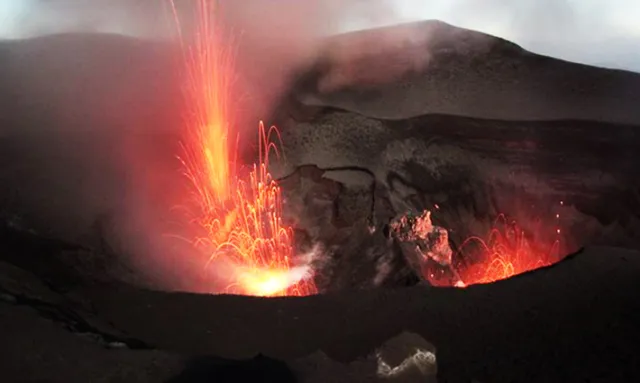


In a dramatic and sudden turn of geological events, Mount Yasur, one of the world’s most persistently active volcanoes located on Tanna Island in the South Pacific nation of Vanuatu, erupted violently, sending massive plumes of ash and lava into the sky and prompting the urgent evacuation of surrounding villages. This latest eruption, more powerful than most in recent decades, has thrown the lives of local residents into chaos and sparked global concern among volcanologists and disaster response organizations.

The eruption, which began in the early hours of Tuesday morning, followed a series of increasing seismic tremors and loud subterranean rumbles over the previous 48 hours. According to the Vanuatu Meteorology and Geo-Hazards Department (VMGD), the eruption column reached heights of over 3 kilometers, accompanied by pyroclastic flows, lava bombs, and thick ashfall across much of Tanna Island’s eastern region.
A Volcanic Giant Awakens
Mount Yasur is one of the most accessible active volcanoes in the world, attracting thousands of tourists each year with its frequent but relatively manageable eruptions. However, this time, the volcano’s behavior was anything but typical. Residents reported hearing thunderous explosions, feeling violent ground shaking, and witnessing glowing streams of lava cascading down its slopes in multiple directions.
The VMGD immediately raised the alert level from Level 2 (major unrest) to Level 4 (moderate eruption), advising all residents within a 5-kilometer radius to evacuate without delay. The local authorities, in coordination with international aid agencies, began executing emergency evacuation protocols for at least eight surrounding villages, home to approximately 6,000 people.

The Vanuatu Red Cross and local government teams are currently working to relocate residents to designated evacuation centers in the island’s western and southern regions, areas considered to be outside the immediate danger zone. Military personnel have also been deployed to assist with transport, logistical support, and medical aid.
Voices from the Ground
Many residents describe the eruption as terrifying and sudden. Marita Kalo, a 34-year-old mother from Sulphur Bay village, recounted her experience:
“We heard a loud boom around midnight, and the earth shook so hard that our house almost collapsed. The sky turned red, and we saw fire shooting into the air. Ash started falling like heavy rain. We grabbed our children and ran.”
Similar stories are emerging from other villages near the volcano. Schools have been shut down, agricultural activities halted, and homes abandoned as thick layers of volcanic ash blanket crops, roads, and water sources.
Emergency shelters set up in safer parts of the island are struggling to accommodate the sudden influx of evacuees. Food, clean water, and medical supplies are being distributed, but access remains a challenge due to ash-clogged roads and poor visibility.
Environmental and Agricultural Impact
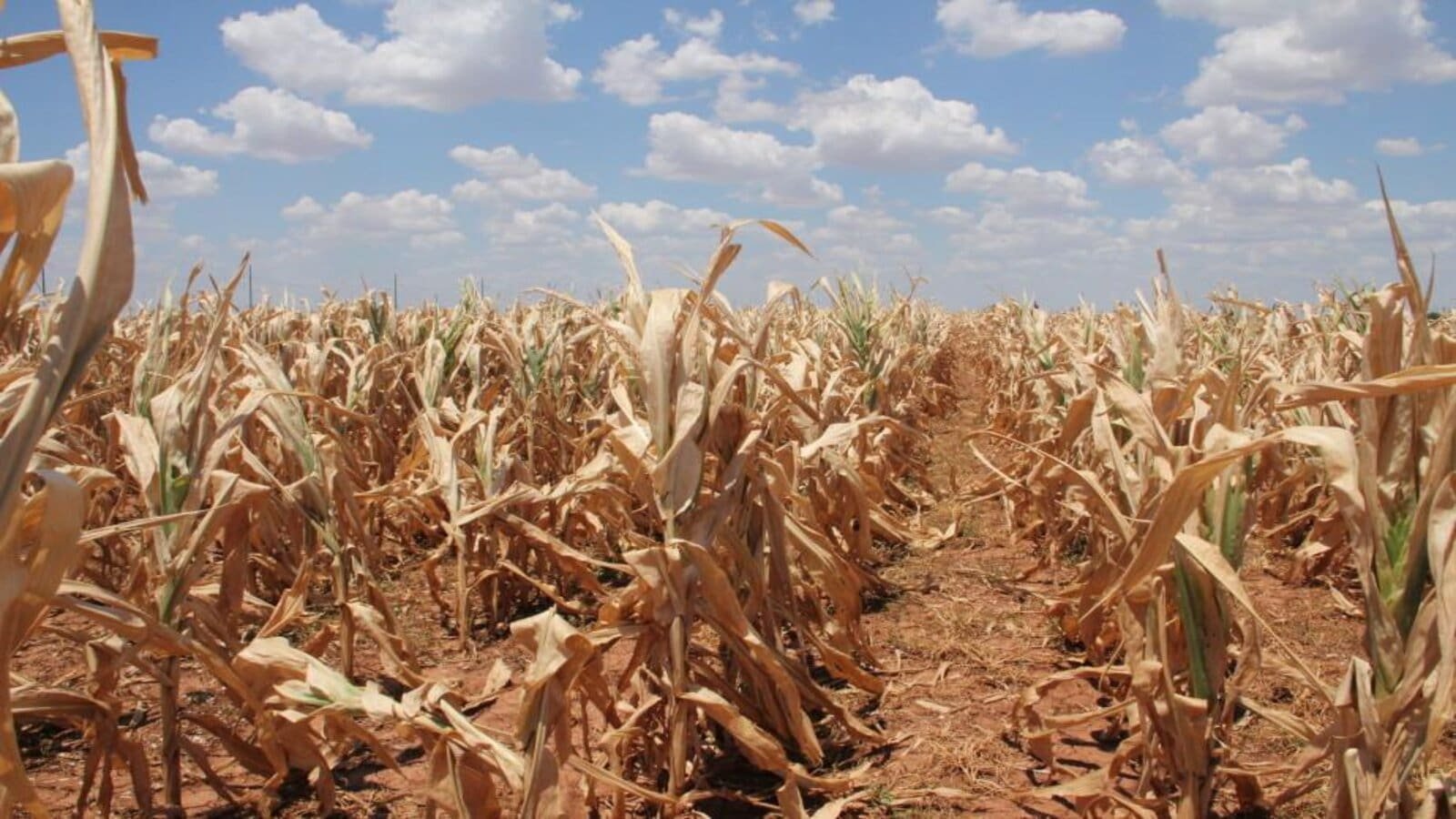
The eruption has had an immediate and devastating impact on the island’s environment. Thick ashfall has contaminated water sources and decimated crops, particularly taro, yam, and cassava fields—staples of the local diet. The acidic nature of volcanic ash not only suffocates plants but can also poison the soil, making agricultural recovery a long-term challenge.
Livestock have also been affected, with many animals reportedly killed by inhalation of ash or exposure to extreme heat and toxic gases. The thick haze has disrupted the ecosystem balance, posing additional threats to native flora and fauna.
Local fisheries, vital to the island’s economy and food supply, are at risk due to ash runoff into coastal waters. Marine life is highly sensitive to changes in pH and temperature, and the sudden influx of volcanic material could have cascading effects on coral reefs and fish populations.
Air Travel and Regional Disruptions
The eruption of Mount Yasur has had wider implications beyond Vanuatu. Air traffic across the South Pacific has been significantly disrupted, with several international flights to and from Australia, New Zealand, and neighboring Pacific Islands delayed or canceled due to ash clouds drifting into key flight paths.
Air Vanuatu, the national carrier, announced the temporary suspension of all flights to Tanna Island, citing safety concerns. International aviation authorities have issued red alerts for the region, warning airlines to avoid flying near the eruption plume.
Nearby islands such as Erromango and Efate are also reporting minor ashfall and tremors, prompting regional disaster agencies to stay on high alert for potential further activity or aftershocks.
Geological Background of Mount Yasur
Mount Yasur, standing at approximately 361 meters (1,184 feet) tall, has been continuously active for centuries and is known for its near-constant strombolian eruptions. The volcano is situated on the Pacific Ring of Fire, a seismically active zone where tectonic plates frequently collide, producing intense volcanic and earthquake activity.
Unlike many explosive volcanoes, Yasur’s usual activity is considered relatively stable and predictable. However, changes in gas composition, magma pressure, and tectonic movements beneath the island have occasionally led to more dangerous and unpredictable eruptions, like the one currently underway.
Scientists believe this latest eruption may be part of a broader geologic trend across the Pacific region, where increased seismic activity has been observed in recent months—from earthquakes near Tonga and Samoa to renewed volcanic rumblings in Papua New Guinea and Indonesia.
Disaster Response and International Aid
Vanuatu, while no stranger to natural disasters such as cyclones, tsunamis, and volcanic eruptions, faces serious logistical challenges due to its remote geography and limited infrastructure. The country’s National Disaster Management Office (NDMO) has activated its emergency response plan and is coordinating with international partners for assistance.
Australia and New Zealand have pledged immediate aid, including emergency supplies, medical teams, and satellite imaging support to monitor the eruption’s progression. The United Nations Office for the Coordination of Humanitarian Affairs (OCHA) is also deploying response units to assess needs on the ground and assist with funding and logistics.
UNICEF has raised concerns about the health and safety of children displaced by the eruption, particularly regarding access to clean water, hygiene supplies, and education continuity. Temporary learning spaces and trauma support services are being set up for affected communities.
Cultural and Emotional Toll
For the people of Tanna, Mount Yasur is more than just a volcano—it holds deep cultural and spiritual significance. Many local communities consider it a sacred mountain and a living being. Rituals and ceremonies are often held to appease the spirit of the volcano, and generations have lived in its shadow with reverence and caution.
The forced evacuations, while necessary, are emotionally devastating for families who have called the volcanic slopes their home for centuries. The sense of loss is not just physical, but also spiritual. Some elders worry that abandoning the mountain during such turmoil might anger the ancestral spirits.
Efforts are being made to ensure that cultural heritage is respected even during the evacuation process. Community leaders are being included in planning and decision-making to ensure traditions are upheld and respected amidst the crisis.
Looking Ahead: Recovery and Resilience
As the eruption continues, uncertainty looms over when it will subside and how soon it will be safe for villagers to return. Scientists are closely monitoring seismic activity, gas emissions, and thermal imaging to predict the volcano’s behavior, but nature remains unpredictable.
In the coming weeks, the focus will shift from emergency response to long-term recovery. Rebuilding homes, restoring farmland, repairing roads, and ensuring the psychological well-being of the displaced will be monumental tasks. Experts warn that the road to recovery could take months, if not years.
International climate and disaster resilience groups are urging governments to integrate volcanic hazard preparedness into their broader development strategies. For nations like Vanuatu, which is ranked among the most disaster-prone countries in the world, building resilient infrastructure and early warning systems is critical to safeguarding future generations.
Conclusion
The violent eruption of Mount Yasur is a powerful reminder of the awe-inspiring and unpredictable forces of nature. While the people of Tanna Island are no strangers to the volcano’s rumblings, the scale of this latest eruption has tested the limits of their resilience and the capacity of local and international systems to respond swiftly and effectively.
Yet, amidst the ash and chaos, stories of courage, community, and cooperation are emerging. From local villagers helping each other evacuate, to emergency responders risking their lives, to international allies offering support—humanity’s collective spirit is once again shining through adversity.
As the skies above Yasur continue to glow red and the earth beneath Tanna trembles, the world watches, hopes, and prays for the safety and swift recovery of the island’s people.








