






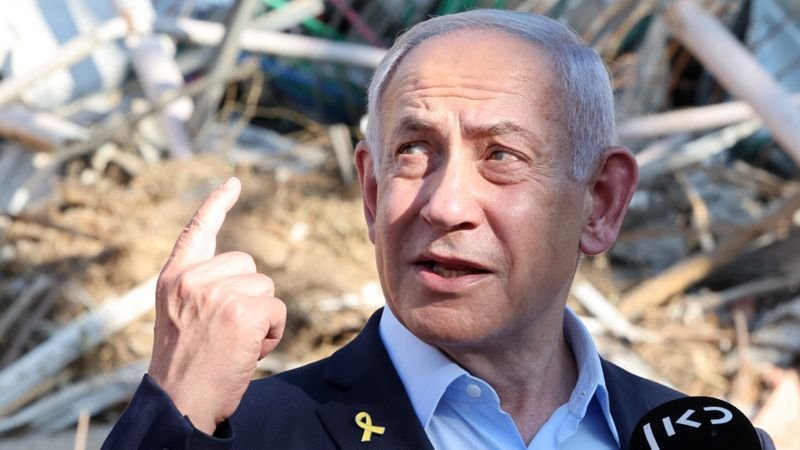


In March, Israeli Prime Minister Benjamin Netanyahu made a bold and controversial decision to abandon a promising ceasefire process in Gaza, a move many analysts likened to political self-destruction. The agreement, initiated with the help of U.S. envoy Steve Witkoff before President Donald Trump began his second term, had already resulted in the release of dozens of hostages in exchange for hundreds of Palestinian prisoners. The next phase was expected to bring additional hostage releases and a phased Israeli military withdrawal from Gaza. However, Netanyahu rejected this trajectory, reigniting military operations and deepening both domestic discontent and international scrutiny. Despite mounting challenges, Netanyahu now appears to be banking on recent military successes to secure his political future—even as legal and political threats loom large.

I. Abandoning Peace: A Calculated Gamble
1. Ceasefire Agreement Cut Short
The initial ceasefire deal was seen as a breakthrough in an otherwise unrelenting war. Facilitated by Trump’s team, it had begun delivering results by reuniting hostages with their families. The roadmap included further releases and a phased end to the war. After years of bloodshed, both Palestinians and Israelis had glimpsed the possibility of a truce.
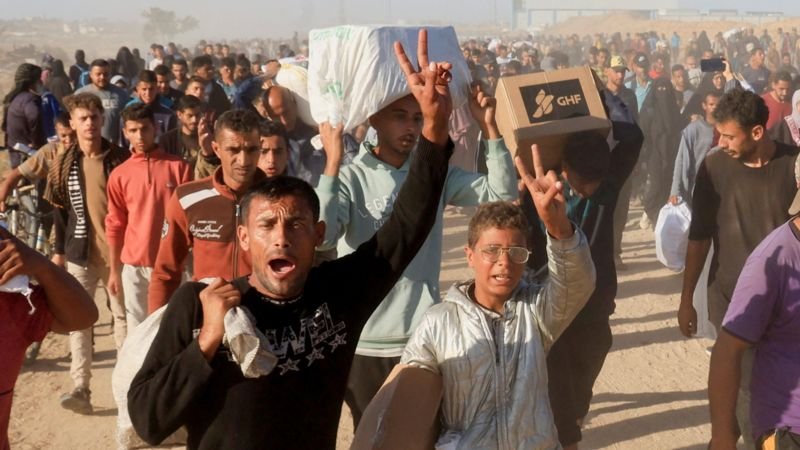
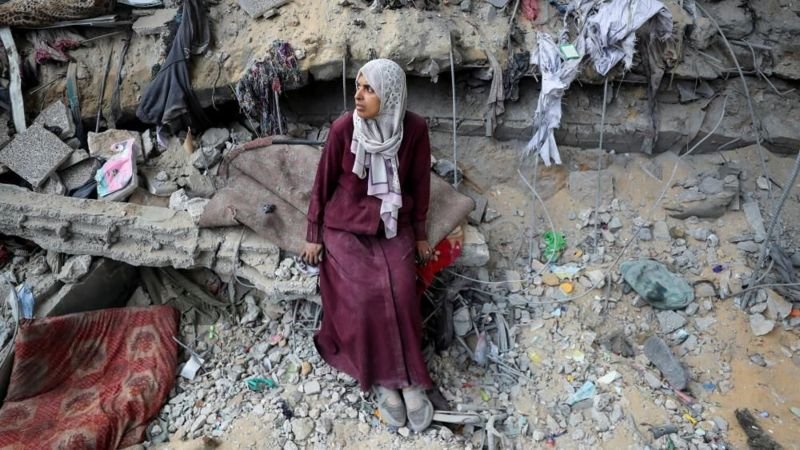
But that vision was short-lived. Netanyahu halted the process, announcing that Israel would continue its military campaign until Hamas was entirely dismantled. The fate of remaining hostages—and the civilian toll in Gaza—were conspicuously sidelined in his rhetoric.
2. Domestic Fallout and Declining Approval
The prime minister’s decision sparked outrage across Israel, especially among the families of hostages still held in Gaza. Many accused him of prioritizing political preservation over national interest and human life. His poll numbers plummeted, and his ruling coalition—dependent on the support of far-right and ultra-religious parties—began to show signs of strain.
Despite the backlash, Netanyahu doubled down on his stance, declaring that only total victory over Hamas could justify a cessation of hostilities.
II. Political Rebound: Iran Strike and Renewed Ambitions
1. Military Victory Over Iran
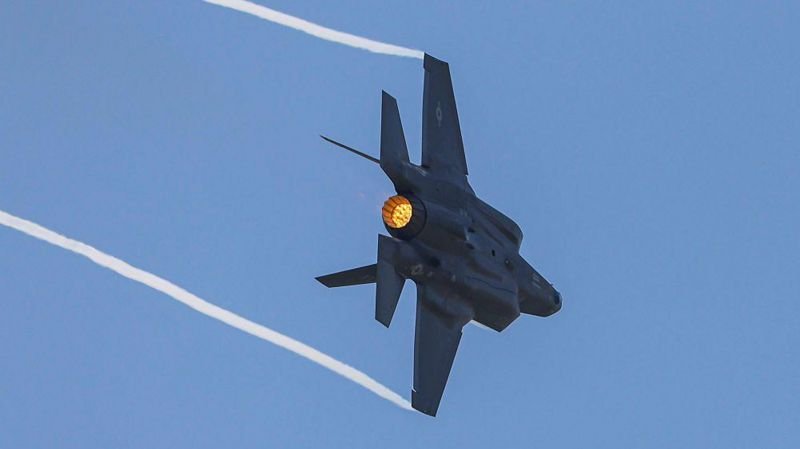
Three months after the ceasefire unravelled, Netanyahu found a new opportunity to bolster his image: a major military operation against Iran. The success of this campaign, hailed as a blow to Iran’s nuclear program, provided Netanyahu with a temporary political boost. He is now reportedly considering calling early elections to capitalize on this momentum.
In a recent press briefing, the 75-year-old leader stated he had “many missions” remaining and would continue serving as long as the Israeli public desired it. He portrayed the Iran campaign as a strategic opening not to be missed—one that could lead to freeing hostages and neutralizing Hamas while forging broader regional agreements.
2. Electoral Prospects and Public Skepticism
Despite his confident tone, recent polls suggest Netanyahu’s political revival may be limited. According to Ma’ariv, his Likud party would fall far short of securing a parliamentary majority. Coalition-building in the 120-seat Knesset would be an uphill battle, especially with growing mistrust among voters.
The same poll revealed that 59% of Israelis now favor ending the Gaza war in exchange for the hostages’ release, while 49% believe Netanyahu is prolonging the conflict for personal political reasons.
Professor Tamar Hermann of the Israel Democracy Institute describes Netanyahu as a master tactician but warns that trust is a major liability. Polls indicate that fewer than half of Israelis express even partial trust in him.
III. Legal Turbulence and International Pressure
1. Corruption Trial Looms
Next week, Netanyahu is scheduled to testify in a high-profile criminal case involving allegations of bribery, fraud, and breach of trust. His request to delay court appearances due to national emergency duties was recently rejected, forcing him to face the judiciary amid ongoing national crises.
While Netanyahu and his supporters argue that the charges are politically motivated, critics are determined to hold him accountable. The outcome of this trial could significantly impact his political future.
2. Trump’s Inconsistent Endorsement
Former President Trump, despite helping broker the initial ceasefire, has since offered inconsistent support. Initially critical of Netanyahu when the truce fell apart, Trump later referred to him as a “hero” and suggested his trial should be “cancelled immediately” or pardoned outright. This intervention was met with disapproval in Israel, where many considered it an unwelcome intrusion into the country’s independent legal process.
Opposition leader Yair Lapid criticized Trump’s remarks, stating that they undermined Israel’s judiciary. Professor Hermann likened the comments to treating Israel as a “banana republic.”
3. International Legal Challenges
Netanyahu also faces pressure from international legal bodies. The International Criminal Court has issued warrants for both him and former defense minister Yoav Gallant, citing potential war crimes and crimes against humanity in Gaza. The Israeli government vehemently denies these allegations, asserting that military operations are conducted within the bounds of international law.
Nonetheless, critics argue that prolonging the conflict has severely damaged Israel’s global reputation and economic stability. Even some military experts have acknowledged that the Israel Defense Forces (IDF) have likely reached the limits of what can be achieved militarily in Gaza.
Conclusion
Prime Minister Benjamin Netanyahu remains one of Israel’s most enduring and polarizing political figures. By walking away from a potentially transformative ceasefire deal, he reignited a conflict that continues to exact a heavy toll on both Palestinians and Israelis. While a military victory over Iran has provided him with a temporary lift, looming corruption charges and faltering public trust cast a shadow over his leadership. With polls showing waning support and increasing calls for peace, Netanyahu’s decision to continue the war in Gaza appears to many as a calculated effort to maintain power. Whether this strategy succeeds or backfires depends on the evolving political landscape—and the Israeli public’s appetite for both war and accountability.