






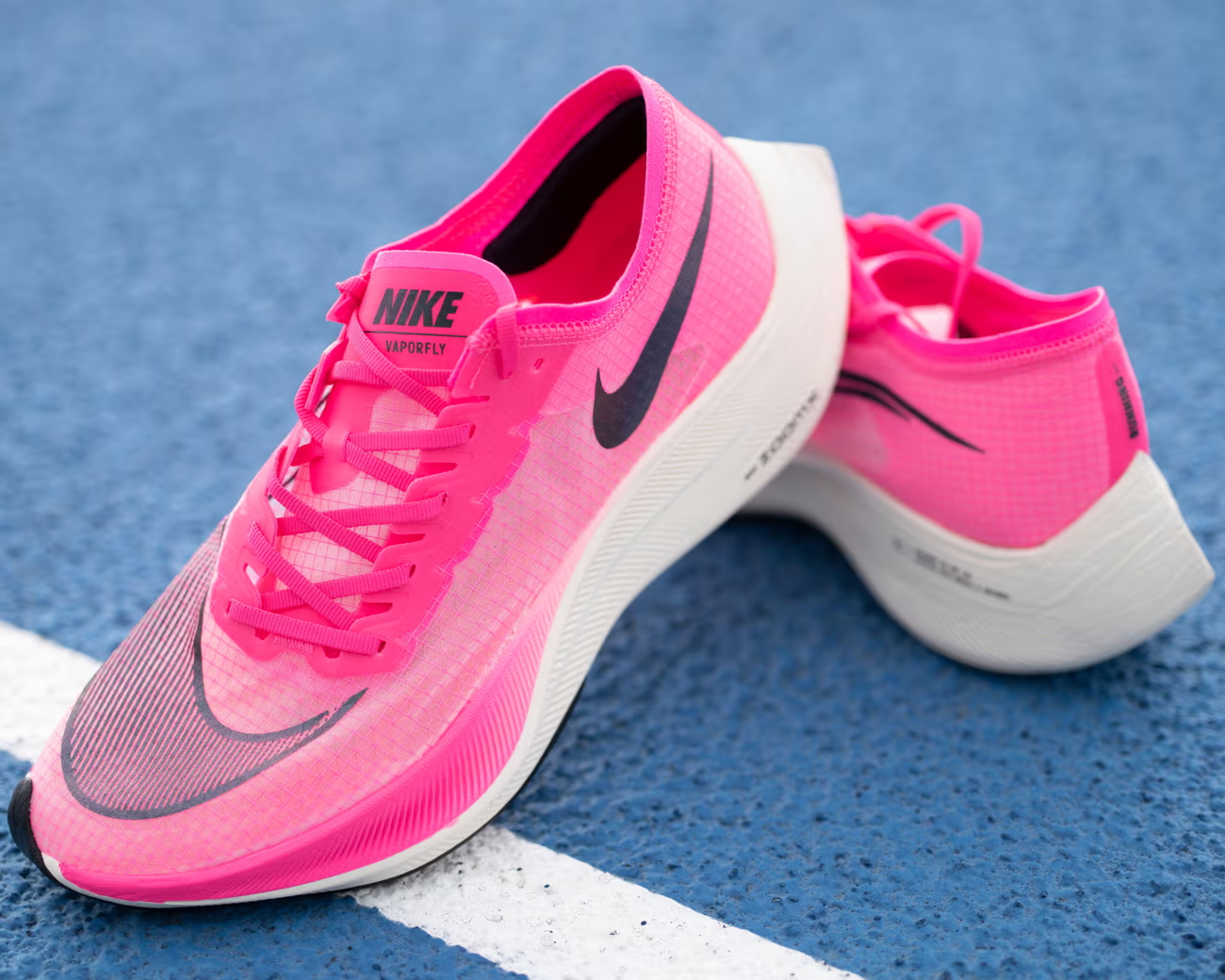


In the face of mounting financial pressure stemming from U.S. tariffs, Nike has announced a strategic response to an expected $1 billion increase in costs. The global sportswear giant is actively working to shift its manufacturing base away from China, reevaluate its sourcing strategies, and make targeted price adjustments in the U.S. market. The company’s financial performance has already taken a substantial hit, with its market value falling by one-third over the past year and recent earnings reflecting the worst quarter in more than three years.


I. Tariffs Drive Up Costs and Reshape Production Strategy
1. Tariffs Add New Financial Burden
Nike’s Chief Financial Officer, Matthew Friend, disclosed that the tariffs imposed during Donald Trump’s administration have resulted in a projected $1 billion increase in operational costs. These new duties, particularly the 60% tariff rate applied to a significant portion of Nike’s imports, are now creating a “meaningful headwind” for the brand.

“With the new tariff rates in place today, we estimate a gross incremental cost increase to Nike of approximately $1 billion,” Friend said. He added that the company is determined to counterbalance these costs over time through various strategies, including sourcing adjustments and operational efficiencies.
2. Manufacturing Base Shifts Beyond China
Nike has long relied on manufacturing in Asia, particularly in Vietnam, China, and Cambodia. In 2023, nearly 60% of all Nike-branded apparel came from these three countries, while 95% of the company’s footwear was produced in Vietnam, Indonesia, and China.

As part of its response to the tariff burden, Nike plans to optimize its sourcing structure by reallocating production across various countries. This adjustment is aimed at reducing reliance on China and mitigating further risk from political or economic disruptions.
“We have strong relationships with our factory partners, and our leadership team is experienced in managing through disruption,” Friend emphasized.
II. Financial Impact and Market Performance
1. Earnings Hit Record Low
Nike recently reported a 12% decline in revenue for the quarter ending in May, amounting to $11.1 billion—its worst performance in over three years. The sharp drop reflects broader operational challenges, intensified by rising import costs and shifting consumer demand.
CEO Elliott Hill acknowledged the disappointing results: “The results are where we planned. That said, we’re not happy with where we are.”
The stark numbers have raised concern among market analysts. Mamta Valechha, an expert at Quilter Cheviot, stated, “Nike continues to slump, with its fourth quarter the worst in at least two decades.” She added that while the company may be nearing a financial bottom, the burden of tariffs has only worsened its post-pandemic recovery.
2. Market Value Sees Significant Decline
Over the past 12 months, Nike’s market capitalization has fallen by approximately 33%. This steep decline is driven by investor concerns over declining sales, reduced margins, and the additional costs associated with the tariff war. The announcement of upcoming price increases and cost-cutting measures appears to be part of a broader effort to reassure stakeholders and restore investor confidence.
III. Strategic Actions to Navigate the Crisis
1. Selective Price Adjustments in the U.S.
To manage the increased financial burden without alienating customers, Nike is planning a targeted price adjustment strategy. Friend described the approach as a “surgical price increase” that will be implemented starting this fall. This suggests that price hikes will be carefully applied to specific product categories, likely avoiding across-the-board increases that could drive consumers away.
The goal, according to Friend, is to strike a balance between cost recovery and customer retention.
2. Reducing Operational Overheads
In tandem with price increases, Nike is also initiating a cost-reduction program to trim corporate expenses. This includes streamlining operations, minimizing redundant processes, and potentially restructuring parts of the organization.
While the specifics of these cost-cutting measures have not yet been disclosed, they are expected to affect overhead expenses across Nike’s global operations.
IV. Navigating the Global Supply Chain Challenges
1. Maintaining Manufacturing Capabilities
Despite the significant tariffs, Nike remains committed to maintaining its manufacturing capabilities across various regions. The company has long prioritized consistent quality and innovation, and Friend emphasized that retaining capacity and capability remains critical—even under economic strain.
Manufacturing facilities in Asia continue to play a vital role in Nike’s supply chain, but diversification remains a top priority to protect against future geopolitical uncertainties.
2. Long-Term Supply Chain Diversification
Nike’s leadership has signaled a clear intent to diversify the company’s supply chain further in the coming years. This move not only serves to cushion against future tariffs but also provides a strategic advantage in terms of responsiveness and resilience.
By expanding its manufacturing footprint into other low-cost, politically stable countries, Nike hopes to ensure a more balanced global production model—one that is less susceptible to the volatility of U.S.-China relations.
Conclusion: A Crucial Crossroads for Nike
Nike’s response to the $1 billion tariff burden underscores the complex challenges multinational companies face in today’s geopolitical climate. While the brand’s global recognition and vast supply chain give it flexibility, the rising cost of doing business has forced a reevaluation of long-standing strategies.
Through price adjustments, sourcing shifts, and internal restructuring, Nike aims to cushion the blow from escalating tariffs and reposition itself for sustainable growth. However, the path forward remains fraught with uncertainties—from shifting trade policies to changing consumer expectations.
What is clear is that Nike, once seen as an untouchable titan in the sportswear industry, must now adapt rapidly to safeguard its market leadership in a world where trade barriers are making a comeback.