







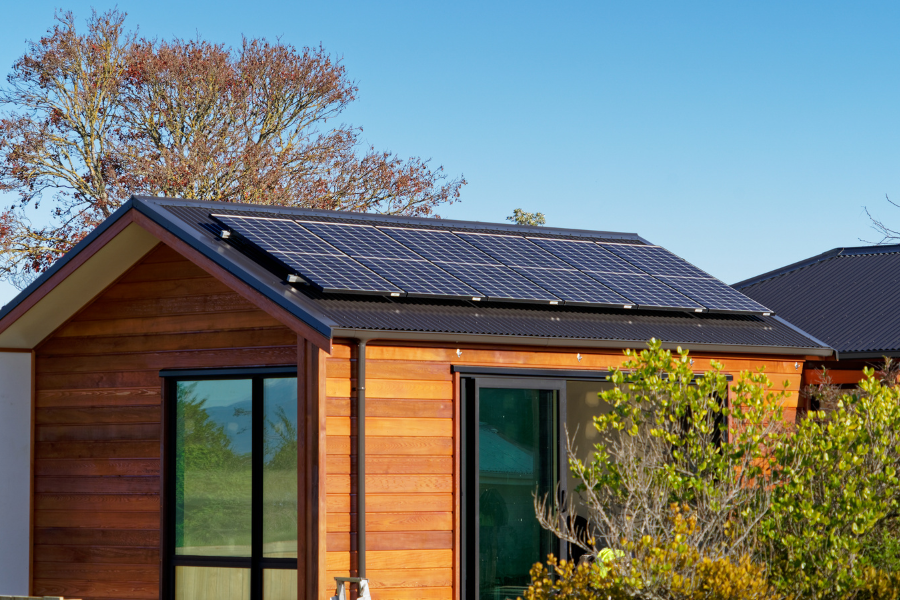


In the heart of West Africa, Nigeria stands as a land of immense potential and vibrant energy. Yet, beneath this promise lies a persistent challenge: energy poverty. Despite being Africa’s largest economy and one of its most populous countries, over 85 million Nigerians—roughly 40% of the population—still lack access to reliable electricity. This shortage is especially acute in rural areas, where grid infrastructure remains underdeveloped or entirely absent. In recent years, however, a quiet revolution has begun reshaping this landscape. Off-grid solar solutions are lighting up rural Nigeria, bringing power, progress, and new opportunities to communities once left in darkness.


Understanding Energy Poverty In Nigeria
To comprehend the impact of off-grid solar, it’s important to grasp the magnitude of Nigeria’s energy crisis. While urban centers like Lagos and Abuja enjoy somewhat stable electricity, albeit with frequent blackouts, rural communities often endure complete darkness. For decades, efforts to extend the national grid have been hampered by high costs, logistical challenges, corruption, and political instability. For many Nigerians living in remote regions, connecting to the grid is not just unlikely—it’s practically impossible in the foreseeable future.

The consequences of this disparity are profound. Without electricity, children struggle to study at night, clinics cannot refrigerate vaccines, and small businesses are unable to operate machinery or store perishable goods. In essence, energy poverty perpetuates a cycle of underdevelopment, limiting access to education, healthcare, and economic growth.
The Rise Of Off-Grid Solar Solutions
Amid this persistent power gap, off-grid solar systems have emerged as a beacon of hope. These decentralized energy solutions, ranging from individual solar home systems to larger community mini-grids, provide electricity without relying on the central grid. Leveraging Nigeria’s abundant sunlight—averaging 5.5 kWh/m²/day—solar technologies offer a clean, scalable, and increasingly affordable way to power underserved areas.

Solar home systems typically include panels, batteries, LED lights, mobile phone charging ports, and even fans or small TVs. Mini-grids, on the other hand, use a centralized solar array to distribute electricity to multiple households and businesses in a village. These systems are often hybridized with batteries and sometimes diesel generators to provide power after sunset or during cloudy days.
Transforming Daily Life
The impact of off-grid solar solutions on rural communities is nothing short of transformative. Take, for example, the village of Gbamu Gbamu in Ogun State. In 2017, a solar mini-grid was installed to serve the local population. Within months, the changes were visible and measurable. Households replaced kerosene lamps with clean, bright LED lighting. Small businesses, such as barbershops, tailoring services, and welding operations, sprang up almost overnight, fueled by the newfound access to power.
Women, traditionally burdened with household chores and informal economic activities, found new opportunities. Cold storage enabled them to preserve perishable goods, while electric sewing machines boosted productivity. Children were able to study at night, improving their academic performance and overall well-being. Perhaps most importantly, health clinics could operate more effectively, offering nighttime services, running diagnostic equipment, and storing medications that require refrigeration.
Economic Empowerment Through Energy Access
Electricity is a powerful enabler of economic development. Off-grid solar solutions empower rural Nigerians to move beyond subsistence living and engage in value-added activities. With access to power, farmers can process agricultural produce locally—grinding grains, drying fruits, or milling rice—which not only boosts income but also adds value to the supply chain.
Micro-entrepreneurs are increasingly using solar-powered devices to expand their services. Solar-powered irrigation pumps, for example, are enhancing food production and resilience against climate variability. In regions where mobile money and digital services are growing, access to electricity enables the operation of communication towers and smartphone usage, bridging the digital divide and integrating rural populations into broader economic systems.
Environmental And Health Benefits
The transition to solar also carries significant environmental and health benefits. Prior to solar adoption, many rural households relied on kerosene lamps for lighting—a practice linked to indoor air pollution, respiratory illnesses, and fire hazards. By replacing kerosene with solar-powered lighting, families enjoy cleaner air and lower health risks.
Additionally, solar energy contributes to climate change mitigation. Nigeria is a signatory to international climate agreements and has pledged to reduce its carbon emissions. Off-grid solar projects align with these goals by promoting renewable energy and reducing reliance on fossil fuels. In this way, rural electrification through solar technology supports both local development and global sustainability objectives.
Challenges To Scaling Up
Despite its promise, the widespread adoption of off-grid solar in Nigeria faces several challenges. One major obstacle is affordability. Although prices have fallen significantly in recent years, the upfront cost of a solar system can still be prohibitive for low-income households. Pay-as-you-go (PAYG) models have helped address this by allowing customers to make small, regular payments using mobile money, but such solutions require reliable financial infrastructure and consumer trust.
Another challenge is the need for technical support and maintenance. In remote areas, finding skilled technicians to repair or maintain solar systems can be difficult. Training local youths as solar technicians has shown promise, but scaling such programs requires coordination and investment.
There is also the issue of regulatory uncertainty. While the Nigerian government has made commendable strides in promoting renewable energy—through policies like the Rural Electrification Strategy and the Nigerian Electrification Project—bureaucratic delays, inconsistent enforcement, and unclear licensing processes can hinder private sector participation.
Government And Private Sector Roles
The expansion of off-grid solar in Nigeria has been driven by a combination of government initiatives, donor funding, and private enterprise. The Rural Electrification Agency (REA), established by the Nigerian government, plays a central role in coordinating rural energy projects. Its Nigeria Electrification Project (NEP), backed by funding from the World Bank and African Development Bank, aims to provide electricity to over 2.5 million people through solar home systems and mini-grids.
Private companies such as Lumos, BBOXX, Green Village Electricity (GVE), and Husk Power Systems have entered the market with innovative business models. Some use PAYG financing, others build mini-grids and operate them under long-term service contracts. These companies often collaborate with development partners to subsidize costs and expand outreach.
International organizations and NGOs also contribute by offering technical assistance, capacity building, and funding. For instance, USAID’s Power Africa initiative supports market development and investor engagement across the continent, including Nigeria.
Community Participation And Ownership
One of the key lessons from successful off-grid projects is the importance of community involvement. When local residents are engaged in planning, installation, and management, solar projects tend to be more sustainable. Community buy-in fosters a sense of ownership, increases accountability, and reduces the risk of vandalism or neglect.
In some cases, cooperatives have been formed to manage and distribute power from mini-grids, ensuring equitable access and revenue sharing. Such participatory approaches also build local capacity and resilience, enabling communities to adapt the technology to their specific needs.
The Road Ahead
Looking forward, the future of off-grid solar in Nigeria is promising but requires sustained effort. Expanding access to financing—especially for women and marginalized groups—remains critical. Strengthening supply chains, standardizing equipment quality, and building local talent pools will also enhance long-term viability.
Furthermore, digital innovations hold great potential. Smart meters, remote monitoring, and mobile payments can improve system efficiency and customer satisfaction. Integrating solar with battery storage and internet connectivity opens doors to new services like e-learning, telemedicine, and digital banking in rural areas.
To ensure that no community is left behind, policymakers must prioritize inclusive energy access as a cornerstone of national development. By fostering public-private partnerships, encouraging innovation, and removing regulatory bottlenecks, Nigeria can unlock the full potential of off-grid solar to power its rural transformation.
Conclusion
Off-grid solar solutions are more than just an alternative to grid electricity—they are a lifeline to millions of Nigerians living in energy poverty. By harnessing the power of the sun, these technologies are enabling children to study, businesses to thrive, clinics to function, and communities to flourish. In the process, they are rewriting the narrative of rural Nigeria from one of isolation and hardship to one of opportunity and empowerment.
As the country marches toward a more inclusive and sustainable energy future, the light shining in Nigeria’s villages is not just powered by solar panels—it is fueled by hope, resilience, and the unwavering desire for a better tomorrow.








