







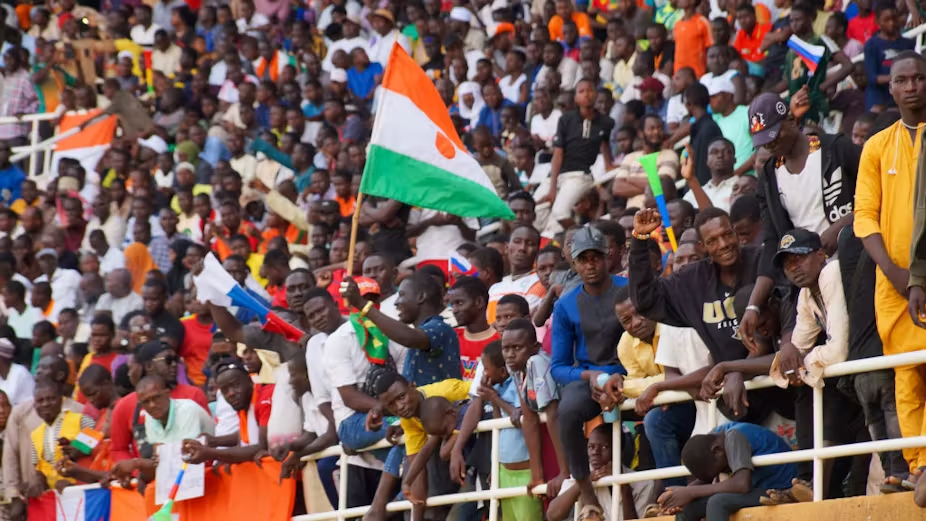


One year has passed since the military overthrew the civilian government in a shocking coup that reverberated across the nation and the international community. In the months following the power grab, the military junta has tightened its grip on all aspects of governance, silenced dissent, and reshaped the country’s political trajectory. Despite initial promises of a transitional roadmap, free elections, and eventual civilian rule, the reality on the ground tells a different story: rule by force has become normalized, and the dream of democratic restoration has dimmed.
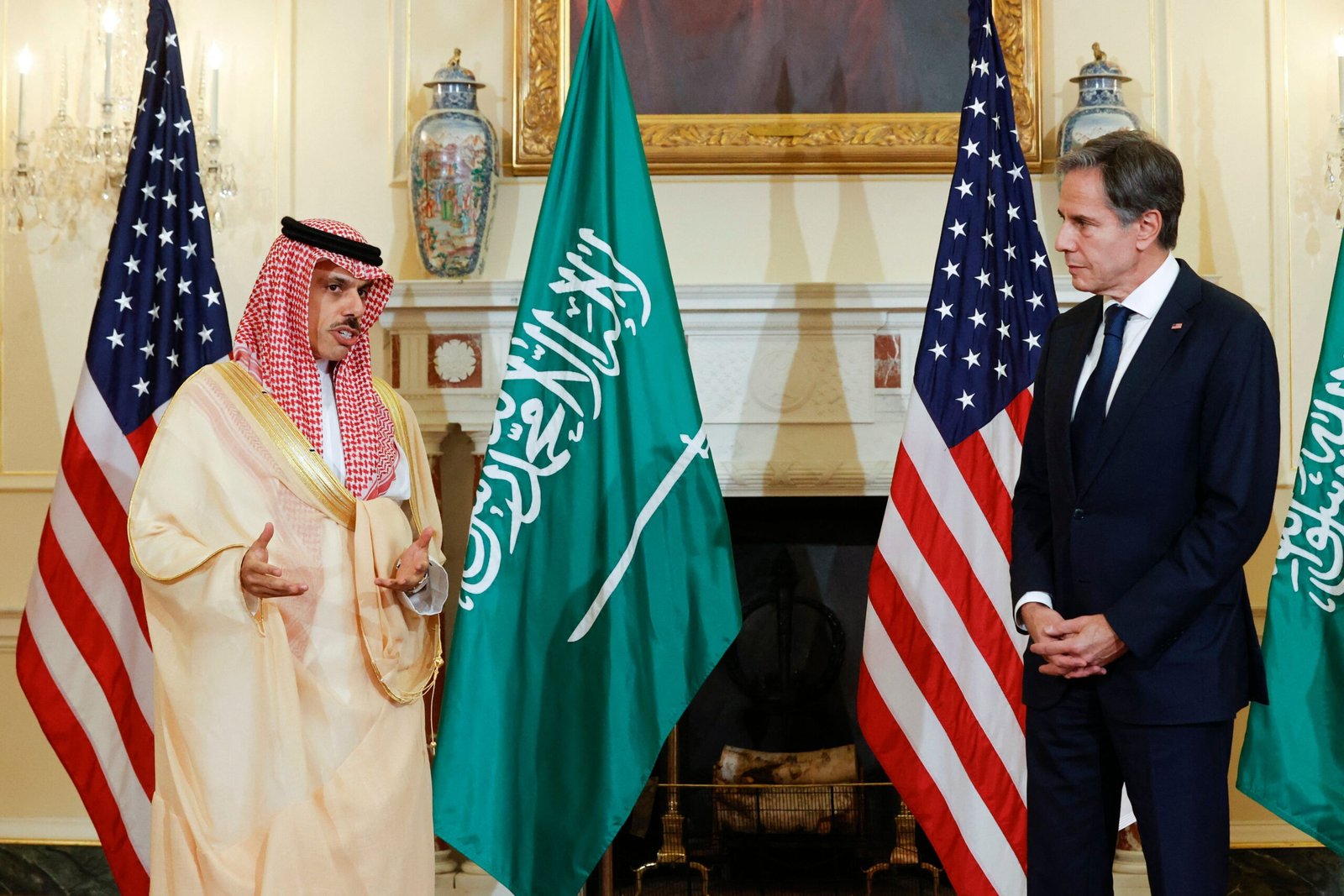

As the junta celebrates one year in power, critics argue that the country is further than ever from democracy. State repression has intensified, civil liberties have been eroded, and institutions have been repurposed to serve the interests of the ruling military elite. In rural areas and ethnic regions, armed conflict and resistance movements have escalated, turning the nation into a patchwork of militarized zones, humanitarian crises, and authoritarian enclaves.
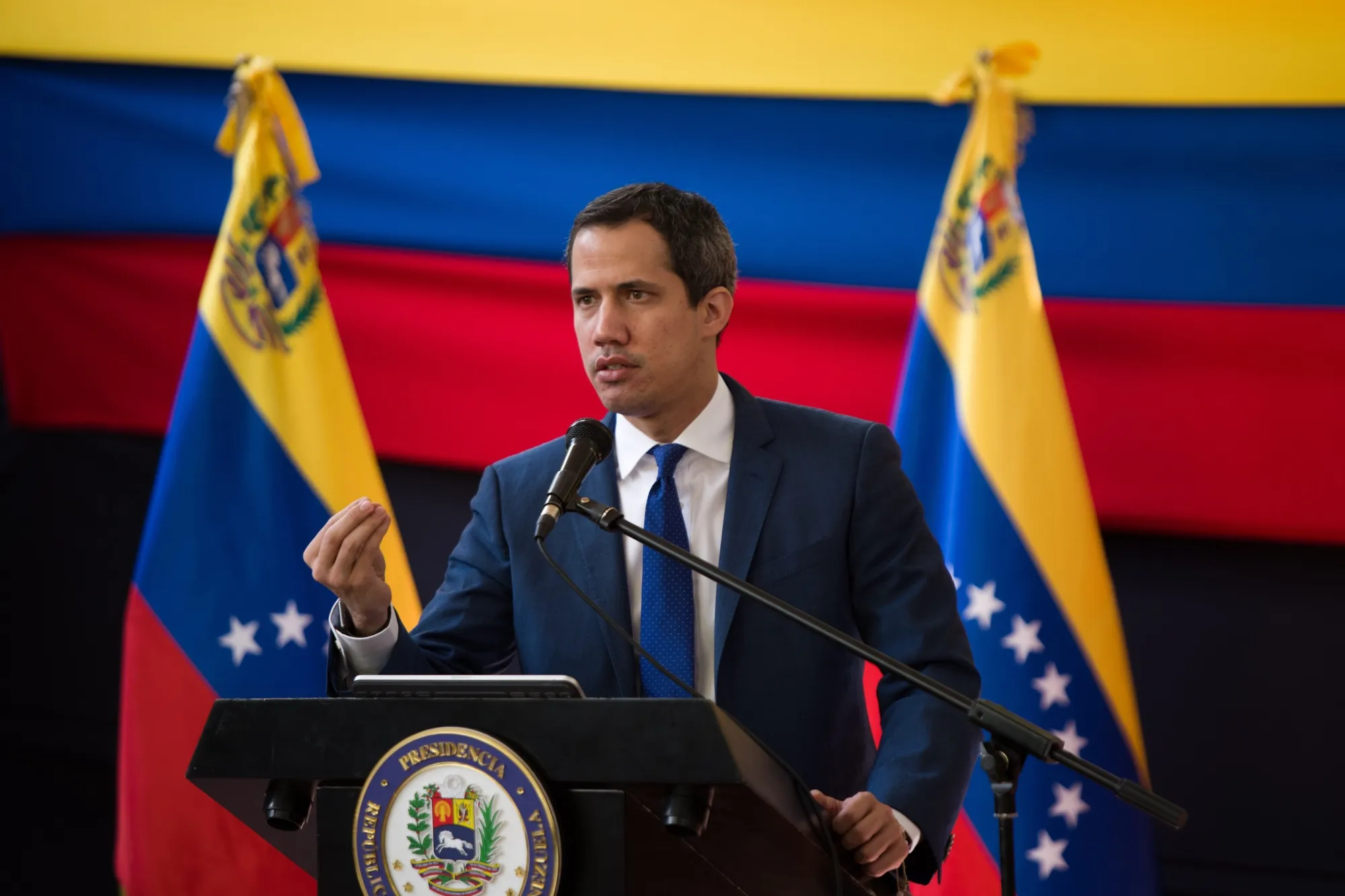
This article examines the events of the past year — from the motivations behind the coup to the daily realities of life under military rule. It also explores how the military continues to entrench itself through coercion, propaganda, and constitutional manipulation, as well as the growing but fragmented opposition movements fighting to reclaim democratic governance.
I. The Coup and Its Justifications
On the morning of the coup, military leaders cited allegations of electoral fraud, national instability, and a need to “restore order and protect the constitution.” These justifications were quickly dismissed by independent observers and civil society groups as pretexts for a calculated power grab.
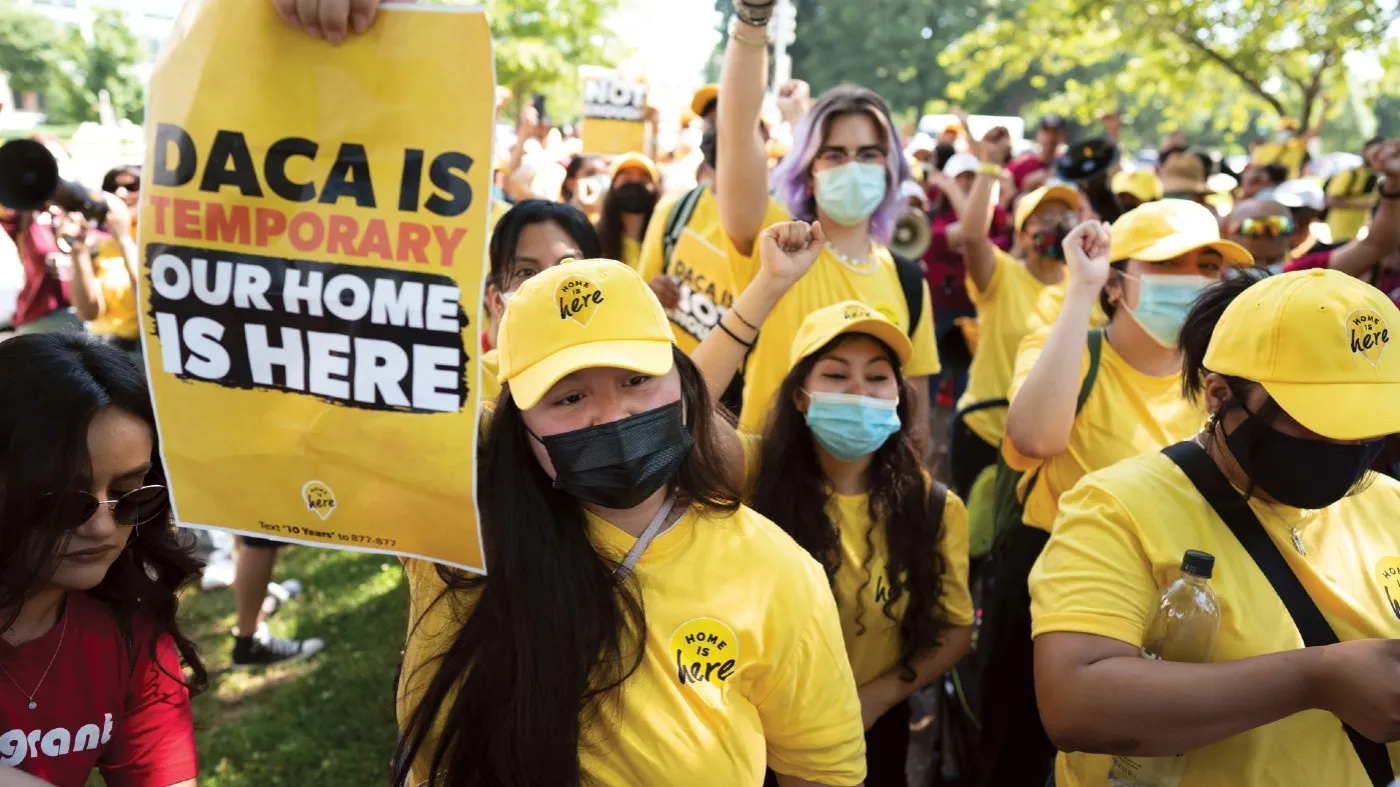
In the weeks that followed, the new regime:
-
Suspended the constitution,
-
Dissolved parliament,
-
Declared a state of emergency,
-
Arrested key civilian leaders and journalists.
The promise of a “short-term transition” soon gave way to an indefinite military-led roadmap, with no clear timeline for elections. In its place, the junta appointed loyal technocrats, business elites, and former generals to key government positions, creating an insulated regime resistant to public pressure.
II. Consolidation of Power: Tools of Control
Since seizing power, the military has systematically consolidated its control through a combination of institutional capture, surveillance, violence, and disinformation.
1. Suppression of Dissent
Thousands of protesters, activists, and opposition figures have been arrested, many without trial. Human rights organizations have documented:
-
Extrajudicial killings,
-
Torture in detention centers,
-
Enforced disappearances,
-
Arbitrary use of anti-terror laws to silence civil society.
Media outlets have been shut down or co-opted, while internet access is frequently restricted to prevent mass mobilization. In regions with active resistance movements, military operations have devastated communities, often under the guise of counterterrorism.
2. Legal Engineering and Constitutional Tweaks
To provide a veneer of legality, the junta has undertaken constitutional amendments that:
-
Grant broad powers to the military during “states of emergency,”
-
Curtail judicial independence,
-
Outlaw certain political parties or symbols.
These changes have institutionalized military dominance and made it nearly impossible for opposition voices to participate meaningfully in future governance structures.
3. Economic Co-optation
Military-affiliated conglomerates have taken control of key sectors, including:
-
Mining and natural resources,
-
Telecommunications,
-
Infrastructure contracts.
Through economic incentives, business deals, and patronage networks, the military has built a web of loyalty among the elite, reducing the likelihood of internal dissent or elite defections.
III. Life Under Military Rule
1. Deterioration of Basic Services
One year into military rule, basic public services have sharply declined. Health systems are overwhelmed, education is disrupted, and inflation has made food and fuel unaffordable for many. International sanctions have further strained the economy, yet the regime continues to pour resources into military expenditures and internal security.
2. Daily Fear and Surveillance
For ordinary citizens, the post-coup reality is defined by:
-
Constant fear of surveillance, with informant networks embedded in communities,
-
Random checkpoints and curfews,
-
Censorship of communication channels, including WhatsApp, Telegram, and Facebook.
The psychological toll is immense. Mental health professionals report widespread trauma, anxiety, and despair — especially among youth who had hoped for a democratic future.
3. Militarization of Civil Society
Civic institutions, including schools, universities, unions, and religious organizations, have been pressured to align with the regime. Public holidays have been renamed to honor military victories, and national curricula have been rewritten to glorify the armed forces while erasing the memory of past democratic struggles.
IV. The Rise of Armed and Nonviolent Resistance
Despite the heavy repression, resistance to military rule remains robust and diverse.
1. Civil Disobedience Movements
In the immediate aftermath of the coup, massive nonviolent protests paralyzed major cities. Civil servants, teachers, doctors, and students participated in general strikes, known as the Civil Disobedience Movement (CDM). Although the movement has lost momentum due to arrests and fear, its legacy endures in underground networks continuing to organize.
2. Ethnic Armed Groups and Local Militias
In many border regions, long-established ethnic armed organizations (EAOs) have resumed or escalated conflict with the central regime. Some previously dormant groups have forged new alliances with pro-democracy militias. These regions have become war zones, with civilians caught in the crossfire, and humanitarian access severely restricted.
3. Diaspora and International Advocacy
The exiled opposition and diaspora communities have played a key role in raising awareness, lobbying foreign governments, and organizing sanctions or legal actions. However, divisions within the opposition and lack of a unified strategy have limited their effectiveness in challenging the junta’s hold on power.
V. International Response: Condemnation Without Consequence
The coup drew swift condemnation from the United Nations, the African Union, the European Union, and Western powers. Sanctions were imposed, and diplomatic ties downgraded in many cases. However, the junta has survived, in part due to:
-
Geopolitical realignments: Support from powerful allies like Russia or China has provided economic and military lifelines.
-
Lack of regional consensus: Neighboring countries have issued mixed messages, with some emphasizing “non-interference” or “dialogue” while others express stronger rebukes.
-
Strategic ambiguity: The military junta has exploited global crises, such as conflicts in Ukraine or the Middle East, to divert attention away from its domestic abuses.
International actors face a conundrum: how to pressure the regime effectively without exacerbating civilian suffering or triggering further instability.
VI. The Road Ahead: Possible Scenarios
As the country enters the second year of military rule, multiple futures are possible:
1. Continued Military Entrenchment
If the current trajectory continues, the junta may further entrench itself through sham elections, constitutional referenda, and a rebranded civilian façade — all under military control. This scenario offers superficial stability but deep institutional decay.
2. Popular Uprising and Overthrow
A second wave of protests, coordinated resistance, or elite defections could challenge the military’s hold. However, such a path risks widespread violence unless it is accompanied by robust political planning and transitional safeguards.
3. Negotiated Transition
With sustained international pressure and internal strain, a negotiated settlement between moderate elements in the military and civilian groups remains possible, though difficult. This would require:
-
Guarantees for justice and security sector reform,
-
A clear roadmap for elections,
-
The reintegration of democratic institutions.
Conclusion: The Fragile Future of Governance
One year after the coup, the country stands at a crossroads — with its institutions hollowed out, its people traumatized, and its democratic future uncertain. The rule of law has been replaced by the rule of the gun, and force has become the currency of governance.
Yet beneath the surface, resistance continues to simmer. From student activists risking arrest to ethnic communities defending their autonomy, the desire for democratic governance has not been extinguished. What remains unclear is whether this desire can coalesce into an effective movement capable of dislodging an entrenched military regime.
The international community must do more than issue statements — it must support local actors, increase humanitarian aid, and apply targeted, strategic pressure. Most importantly, it must listen to the people who refuse to accept rule by force as the new normal.
Because if the past year has proven anything, it’s that authoritarianism may rise overnight, but so too can resistance — fueled by hope, memory, and an unshakable belief in freedom.








