








The Democratic Republic of Congo (DRC) is once again at the center of escalating violence and international concern after a rebel coalition captured yet another strategic mining town in the eastern part of the country. Just over a week after taking the city of Goma, fighters from the Alliance Fleuve Congo (AFC), a rebel alliance that includes the notorious M23 armed group, seized control of Nyabibwe—a town rich in coltan, a key mineral used in smartphones and other electronics.

This rapid territorial expansion by armed factions highlights not just a security crisis, but a troubling connection between global technology demand and deadly local conflicts. While millions around the world benefit from the minerals extracted from DRC, the local population continues to suffer, with over 3,000 deaths reported in recent clashes between the rebels and government forces.
I. STRATEGIC TAKEOVERS IN MINERAL-RICH REGIONS
1. AFC Expands Footprint in Eastern Congo
The Alliance Fleuve Congo’s latest conquest of Nyabibwe follows the January 27 fall of Goma, the largest city in North Kivu province. The town, like Rubaya which the rebels captured last year, is abundant in coltan—a mineral essential in manufacturing modern electronic devices. Nyabibwe’s loss underscores the strategic importance of mineral zones in the broader conflict.
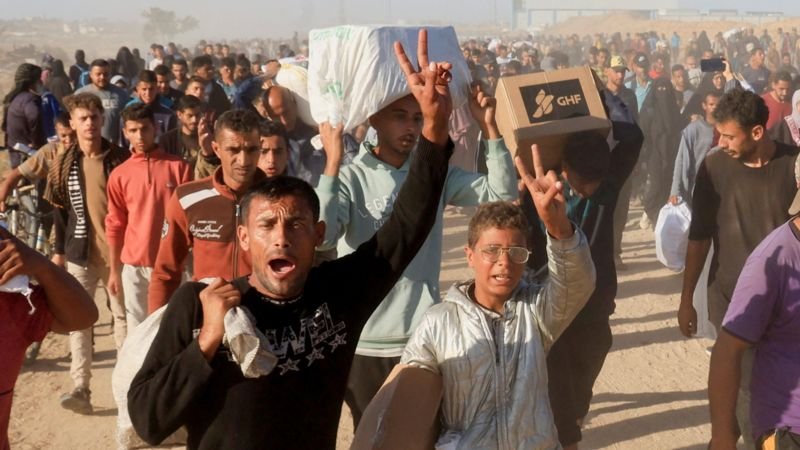
According to the Congolese government, the two-week campaign of violence by the AFC has already left more than 3,000 civilians dead, highlighting the devastating human cost of these resource-fueled rebellions. The group’s ability to rapidly occupy high-value territories has raised fresh alarms about the motives and sustainability of the conflict.
2. M23’s Role and the Coltan Connection
M23, one of the core factions within the AFC, has long claimed to represent the interests of minority Rwandophone communities. Yet its repeated incursions into mining territories point to deeper economic motivations. Jean Pierre Okenda, an expert on resource governance, told CNN that control of mining sites is directly linked to the rebels’ ability to fund military operations.
“Wherever there are valuable minerals, the rebels are not far behind,” Okenda said. “These resources are financing the war.”
II. RESOURCE EXPLOITATION AND INTERNATIONAL LINKS
1. Rebel Revenue from Coltan Trade
The AFC and its affiliates are suspected of profiting significantly from coltan extraction. Although AFC spokesperson Victor Tesongo confirmed the group’s control over Nyabibwe and Rubaya, he declined to disclose financial details. However, UN officials have estimated that just one of the rebel-held mining zones—Rubaya—produces around 15% of the world’s tantalum supply and earns the M23 approximately $300,000 per month.
M23 denies any economic motivations, claiming a “humanitarian” presence in these regions. Still, the financial stakes involved in controlling such resource-rich areas suggest otherwise.
2. Rwanda’s Alleged Role in the Crisis
The international community, including the DRC government, has accused Rwanda of backing M23 and benefiting from the illicit mineral trade. A December report by the UN Group of Experts on the DRC concluded that between 3,000 and 4,000 Rwandan soldiers are aiding M23 forces in eastern Congo.
The report also revealed that over 150 tons of coltan were illicitly exported to Rwanda, where it was mixed with legitimate supplies before being shipped abroad. DRC’s communications minister stated that Rwanda’s mineral exports rose sharply after these territories fell under rebel control.
Rwandan President Paul Kagame has publicly denied that his country is stealing resources from the DRC, although he admitted that minerals from Congo often pass through Rwanda en route to global destinations such as Brussels, Dubai, Tel Aviv, and Russia.
III. GLOBAL TECH INDUSTRY AND ETHICAL SOURCING
1. From DRC Mines to International Markets
The tangled trail of DRC’s minerals often leads to global technology supply chains. A 2022 U.S. Treasury report highlighted that over 90% of the DRC’s gold is smuggled to neighboring countries, primarily Uganda and Rwanda, before being refined and exported—mostly to the UAE.
Although the exact figures for cobalt and coltan exports are harder to quantify, their prevalence in smartphones, batteries, and electric vehicles makes it clear that global consumers are indirectly linked to the conflict.
2. Tech Giants Under Scrutiny
In response to these allegations, companies like Apple and Microsoft have issued statements committing to ethical sourcing. Apple, in a filing to the U.S. Securities and Exchange Commission, claimed it had found no evidence that smelters in its supply chain were financing armed groups in the DRC or nearby regions. Still, DRC has filed lawsuits against Apple subsidiaries in France and Belgium, alleging the use of conflict minerals—claims the company denies.
Despite such corporate reassurances, advocacy groups argue that more needs to be done to trace and certify the origin of these vital materials.
IV. CHALLENGES TO PEACE AND GOVERNANCE
1. The Curse of Natural Wealth
For decades, DRC’s vast natural resources have been more of a curse than a blessing. “These resources provoke wars, cause displacements, destroy ecosystems, and leave ordinary citizens destitute,” Okenda told CNN. Despite sitting on some of the world’s richest mineral deposits, the DRC remains among the five poorest countries globally.
The wealth generated by these resources rarely benefits the local population. Instead, it enriches foreign stakeholders and fuels internal strife, with rebel groups and corrupt officials exploiting the sector for personal gain.
2. Fragile Ceasefires and Ongoing Fighting
Efforts to establish a humanitarian ceasefire have failed. A truce declared by M23 last week was quickly broken as the group moved into Nyabibwe. This recurring pattern of broken promises has made peace negotiations increasingly difficult.
3. Governance Reform as a Long-Term Solution
Okenda emphasized that any sustainable resolution must begin with structural reform within the DRC government. Better military investment, equitable resource distribution, improved electoral processes, and robust governance are critical.
“Without real reform in Kinshasa, peace will remain elusive,” he warned. “Even without war, the Congolese people will continue to suffer unless the government changes its approach.”
Conclusion
The Democratic Republic of Congo’s mineral wealth continues to be both a blessing and a burden. While global industries depend on its resources, the people of DRC pay a devastating price in blood and displacement. With rebel groups like M23 expanding their control over strategic mining areas, and neighboring nations accused of complicity, the conflict threatens to deepen. As international markets consume Congo’s minerals, questions of responsibility and ethics grow louder. Only through meaningful governance reform, international accountability, and transparent supply chains can peace and prosperity return to a nation so long plagued by its own abundance.