







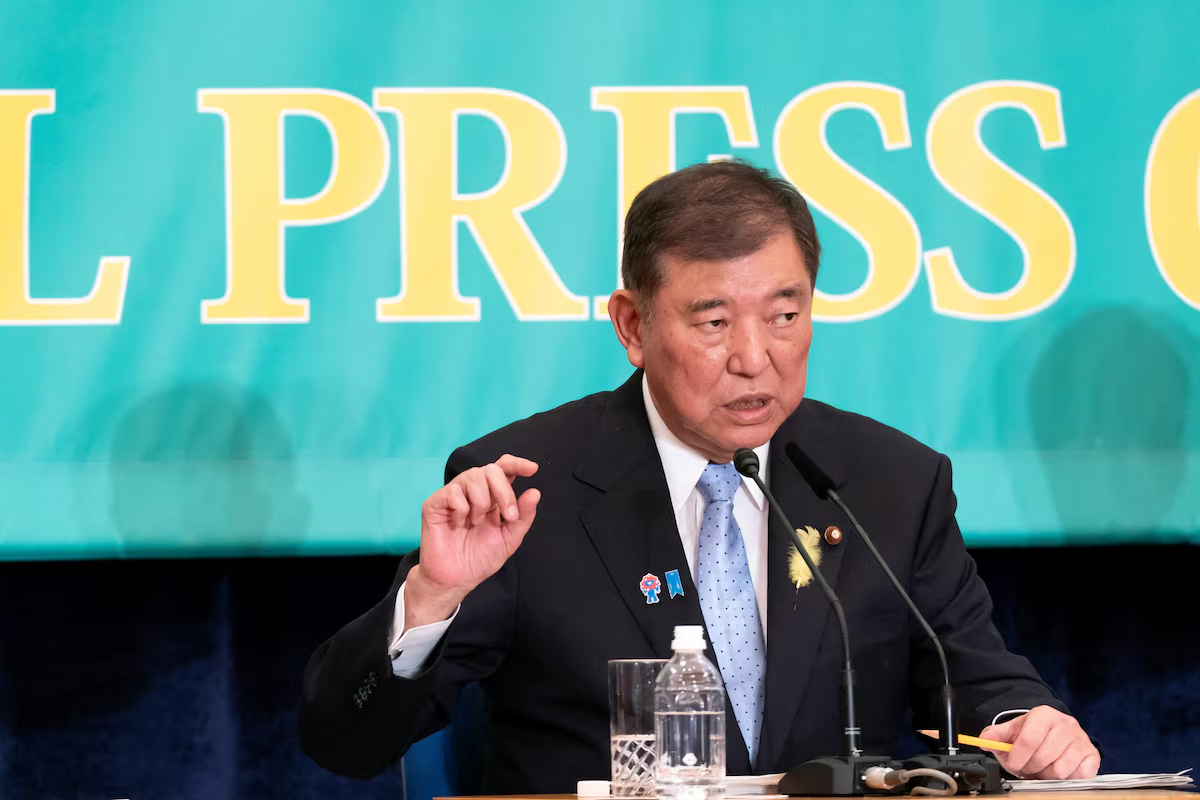
As a critical trade deadline approaches, Japanese Prime Minister Shigeru Ishiba addressed recent comments made by U.S. President Donald Trump regarding bilateral trade. In a televised interview with Japan’s public broadcaster NHK, Ishiba responded to Trump’s claims that Japan is not buying American rice or cars. He suggested that the U.S. leader may be basing his opinions on misinformation. Meanwhile, a 24% reciprocal tariff on Japanese imports, temporarily paused, is set to expire next week on July 9, adding urgency to ongoing negotiations between the two nations.

I. Misconceptions in U.S.-Japan Trade Relations
1. Trump’s Statements Raise Eyebrows in Tokyo
President Trump has repeatedly accused Japan of creating unfair trade conditions by limiting U.S. exports, particularly in the automotive and agricultural sectors. According to Trump, “no American cars are running on Japanese roads,” and “Japan does not import U.S. rice.” These statements have stirred concerns in Tokyo, especially considering that trade between the two countries has grown steadily in the past decade. Prime Minister Ishiba responded calmly, asserting that Trump’s comments appear to reflect outdated assumptions or incorrect data.


2. Reality of U.S. Rice in Japanese Markets
Contrary to President Trump’s claim, Prime Minister Ishiba pointed out that Japan has recently imported some of the highest volumes of U.S. rice in history. This surge is largely due to an increase in domestic rice prices in Japan, which has made American rice more competitive and appealing to Japanese consumers. In fact, trade data from Japan’s Ministry of Agriculture shows that U.S. rice imports in the last year have seen double-digit growth, reflecting real consumer demand and market flexibility.
II. Context Behind the Reciprocal Tariff
1. The 24% Tariff Pause and Its Implications
The reciprocal tariff of 24% was initially proposed as a countermeasure to perceived imbalances in trade between Japan and the United States. However, both governments agreed to suspend the implementation of this measure to allow for negotiations. That suspension is now scheduled to expire on July 9, creating uncertainty for Japanese exporters and U.S. importers alike. Ishiba emphasized that the Japanese government remains committed to diplomatic dialogue to prevent the tariff from being reinstated.
2. Ongoing Negotiations Without Public Disclosure
While reassuring the public and stakeholders, Prime Minister Ishiba declined to go into detail about the ongoing negotiations with the United States. He did, however, emphasize that talks are progressing and that Japan is engaging in them in good faith. Trade experts believe that behind-the-scenes negotiations are focusing on balancing agricultural concessions with protections for Japan’s automotive industry, which accounts for a major portion of Japanese exports to the U.S.

III. Broader Implications for Global Trade
1. Ripple Effects Beyond Bilateral Relations
This trade friction between Japan and the U.S. is occurring at a time of heightened global trade tensions. As Washington pushes for more favorable terms with various trading partners, allies like Japan are caught between maintaining cooperation and protecting domestic economic interests. A breakdown in talks or the reinstatement of tariffs could trigger retaliatory measures or damage business confidence in both countries.
2. Lessons From the Past
Analysts note that this situation bears resemblance to past trade disputes between the U.S. and Japan in the 1980s and 1990s. During those years, automotive exports and rice imports were also flashpoints in a tense bilateral relationship. However, today’s global economy is far more integrated, and Japan is no longer as dominant in the trade surplus rankings. These factors could influence the negotiation dynamics and offer hope for a more balanced outcome.
3. The Role of Public Perception and Media
Public statements like the one made by President Trump can shape public opinion and impact diplomatic tone. Prime Minister Ishiba’s measured response suggests a desire to defuse tensions and focus on facts rather than rhetoric. By appearing on NHK, Japan’s most widely watched news outlet, Ishiba aimed to clarify the reality of trade flows for both domestic and international audiences.
Conclusion
As the July 9 deadline looms, the future of U.S.-Japan trade relations hangs in the balance. Prime Minister Ishiba’s comments underscore the importance of basing policy on accurate information and fostering open dialogue between allies. While political narratives may differ, the economic ties between Japan and the United States remain deeply intertwined. Both sides have a vested interest in reaching a compromise that reflects the realities of global trade while respecting each other’s domestic priorities.








