









In an era of rapid modernization and global integration, many governments across the world are confronted with a complex challenge: how to implement necessary policy reforms while respecting the deep-rooted religious traditions that define their societies. Striking a balance between reform and religious tradition is a delicate task—one that requires political will, cultural sensitivity, and inclusive policymaking. This essay explores how various countries, particularly in the Middle East, South Asia, and parts of Africa, are navigating this tightrope, with a focus on education, gender rights, law reform, and public morality policies.


1. The Tension Between Modernity and Tradition
The intersection of religion and politics is not a new phenomenon, but the stakes have become increasingly pronounced in a globalized world. For many societies, religion is more than a belief system—it is a cornerstone of identity, social order, and national narrative. Policy reforms, especially those imported from Western models of governance or human rights, are often seen as foreign impositions that conflict with these long-standing values.

In countries where religious institutions wield significant influence—either formally within the political system or informally through public opinion—governments must carefully frame reforms to avoid alienating the population or provoking backlash from religious leaders. Thus, the policymaking process in such contexts is not simply technocratic, but deeply cultural and symbolic.
2. Education Reform: Balancing Modern Skills With Moral Foundations
Education policy is one of the most visible arenas in which the tension between reform and religious tradition plays out. Governments are under pressure to equip young people with the skills needed in a 21st-century economy—critical thinking, digital literacy, and scientific knowledge—while also ensuring that education reflects national religious values.
Saudi Arabia, for example, has made significant changes under its Vision 2030 reform program. While the government has introduced new subjects such as coding, entrepreneurship, and foreign languages, it has also retained Islamic studies as a core component of the national curriculum. Officials have sought to reframe Islamic teachings in a way that emphasizes tolerance, coexistence, and productivity, thereby aligning religious education with modernization goals.
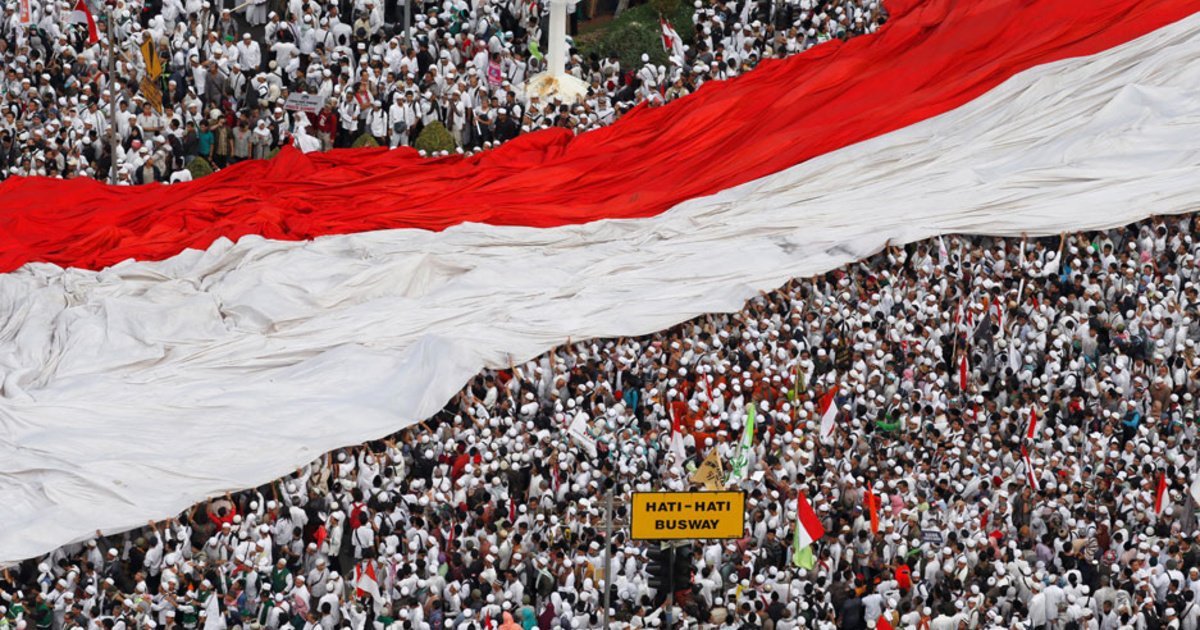
Indonesia, the world’s largest Muslim-majority democracy, provides another illustrative case. Here, the national education system incorporates both secular public schools and Islamic pesantren (boarding schools). Recent reforms aim to standardize educational quality across both systems, without erasing the religious character of Islamic institutions. By integrating religious and national curricula, the government is attempting to harmonize religious tradition with academic competitiveness.
3. Gender Policy: Navigating Equality and Religious Norms
Efforts to promote gender equality often encounter resistance when framed as contrary to religious doctrines. Yet, many governments are exploring ways to advance women’s rights while maintaining respect for religious teachings.
In Iran, for example, women’s participation in education and the workforce has expanded in recent decades, even within the constraints of the Islamic Republic’s conservative framework. While mandatory hijab laws and restrictions on public conduct remain controversial, incremental policy changes have increased women’s representation in universities, the judiciary, and even local councils. Reformers often frame these changes as consistent with Islamic principles of justice and human dignity, rather than as external feminist agendas.
Morocco offers a successful case of gender-sensitive religious reform. In 2004, the country reformed its family law, the Moudawana, to expand women’s rights in marriage, divorce, and child custody. Significantly, these reforms were endorsed by religious scholars and justified through Islamic jurisprudence (fiqh), showcasing how religious tradition can be leveraged to support progressive change.
4. Legal Reform: Redefining the Role of Sharia in National Law
Many Muslim-majority countries operate within hybrid legal systems that combine secular law with elements of Sharia (Islamic law). Reforming these systems to meet international legal standards—particularly in areas like criminal justice, civil liberties, and human rights—requires careful negotiation with religious authorities.
In Pakistan, for instance, the blasphemy laws have come under scrutiny for being used to target minorities and settle personal disputes. While some legal reformers advocate for repeal or amendment, religious parties strongly oppose any changes. As a result, policymakers have focused on procedural reforms, such as requiring higher standards of evidence or judicial oversight, rather than direct repeal—balancing reform objectives with religious sensitivities.
Tunisia, often considered a model of progressive reform in the Arab world, has tried to push the boundaries further. The post-2011 democratic transition brought debates over the role of religion in law to the forefront. The 2014 constitution upheld both Islamic and secular principles, leading to progressive legal reforms in areas such as gender equality, inheritance rights, and criminal law. Tunisia’s approach illustrates how legal pluralism can function within a constitutional framework that protects religious freedom while ensuring civil rights.
5. Public Morality and Social Policy: Regulation or Liberalization?
In many conservative societies, policies regulating public behavior—such as dress codes, alcohol consumption, entertainment, and gender mixing—are justified on religious grounds. Yet, global tourism, economic liberalization, and changing youth demographics have prompted governments to reconsider these rules.
Saudi Arabia has undergone the most dramatic transformation in this regard. The once-powerful religious police have been stripped of their authority to detain people, and public events such as music concerts, film screenings, and mixed-gender gatherings are now common. Women are permitted to drive, travel without male guardianship, and work in various industries. These changes, while top-down and politically motivated, have been framed by the government as part of an “Islamic modernization” agenda that maintains core values while shedding rigid interpretations.
Meanwhile, Malaysia presents a more complex case. With a pluralistic society comprising Malay Muslims, Chinese Buddhists, Indian Hindus, and others, the government often struggles to maintain a balance between religious conservatism and civil liberties. Public morality policies, such as bans on LGBTQ+ advocacy or “moral policing” of Muslims, are challenged by human rights groups, while supported by conservative religious constituencies. Here, the tension is not just between reform and religion, but also between competing identities within a diverse nation.
6. Institutional Mechanisms for Balancing Reform and Tradition
Some countries have developed institutional frameworks to mediate between secular policy goals and religious values. These bodies often include religious scholars, legal experts, and government officials.
The UAE, for example, created a Fatwa Council to standardize Islamic rulings and prevent extremist interpretations. This council works alongside civil courts and policy institutions to ensure that reforms are religiously coherent yet socially progressive. Recent rulings have supported women’s rights in family matters and permitted broader interfaith dialogue.
Jordan’s Iftaa Department and the Islamic Affairs Ministry play similar roles, advising on the religious compatibility of new laws and policies. These institutions help policymakers gauge public sentiment and religious acceptability before implementing reform.
7. Civil Society and Religious Leadership
Reform is not solely driven by governments. Civil society and religious leaders also play a pivotal role in shaping public discourse and legitimizing change.
In Nigeria, where religion plays a central role in both the Muslim-majority north and Christian-majority south, religious leaders have been instrumental in campaigns against gender-based violence, polio vaccination, and extremism. Their support gives reforms grassroots legitimacy that legal mandates alone cannot achieve.
In Egypt, Al-Azhar University—one of the most prestigious centers of Sunni Islamic learning—has at times supported moderate interpretations of Islamic law and issued statements aligning with reformist goals. However, its role has also been ambivalent, reflecting the broader political dynamics between state power and religious authority.
8. Risks and Backlashes
Despite efforts to balance reform and tradition, backlash is always a possibility. Reformist governments can face mass protests, legal challenges, or even extremist violence if reforms are perceived as undermining religious principles.
In Turkey, President Erdoğan’s administration has been criticized for reversing earlier secular reforms and increasing the role of religion in public life. This shift has polarized the country and highlighted how the pendulum can swing in either direction—toward reform or retrenchment—depending on political calculations and public mood.
In Sudan, attempts to abolish apostasy laws and introduce gender equality measures after the 2019 revolution were met with fierce resistance from conservative clerics. The fragile democratic transition eventually collapsed, underscoring the limits of reform without widespread societal support.
9. The Generational Shift and Future Outlook
Younger generations in many religious societies are more exposed to global ideas, more educated, and more connected than ever before. Polls and studies suggest that while many retain strong religious identities, they also support reforms in education, gender equality, and freedom of expression.
Governments that recognize this generational shift are more likely to frame reform not as an attack on tradition, but as a reinterpretation—a return to the core values of faith that emphasize justice, compassion, and adaptability. Religious traditions, after all, are not static. Throughout history, they have evolved in response to changing conditions. The challenge for today’s policymakers is to harness that adaptive spirit without alienating religious institutions or the faithful.
Conclusion: Bridging Two Worlds
Policy changes aimed at balancing reform with religious tradition require more than political strategy—they demand empathy, dialogue, and a deep understanding of the cultural and spiritual fabric of society. Whether it is through curriculum reform, gender policies, or legal modernization, governments must navigate a complex terrain where every decision carries both symbolic and practical weight.
Success lies not in choosing between reform and religion, but in finding a synthesis where both can coexist. By fostering inclusive institutions, engaging religious leaders, and listening to the concerns of citizens, governments can pursue a path of principled progress—one that respects tradition while embracing the future.








