






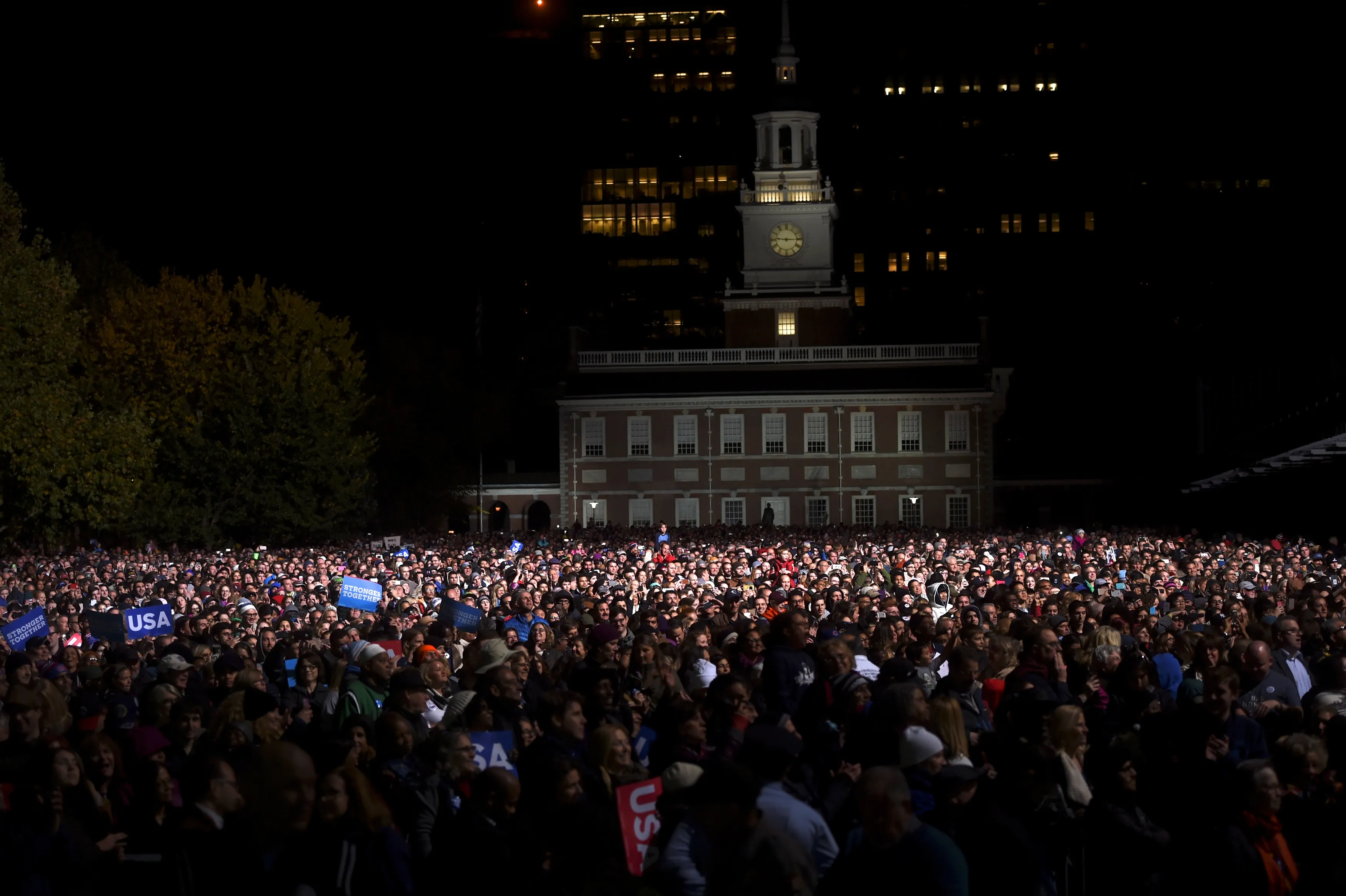

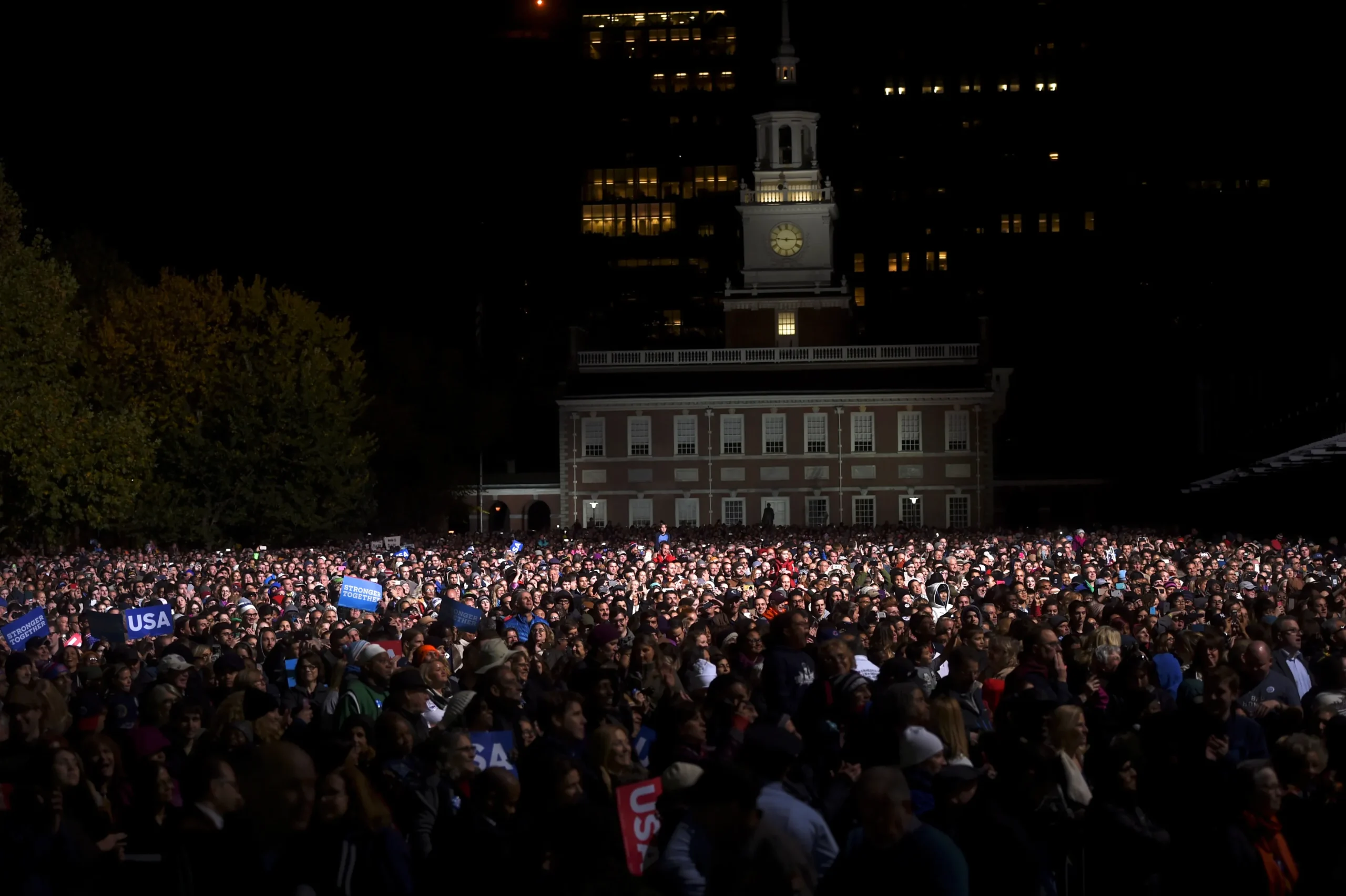


In the 21st century, democracies around the world are undergoing profound stress, not solely from external threats, but increasingly from forces within. Among the most potent of these internal disruptors are populist movements, which often begin as grassroots efforts to challenge entrenched elites but sometimes evolve into powerful currents that reshape political systems. One of the most significant consequences of populism’s rise has been its impact on constitutional frameworks—the foundational legal structures that define and limit political authority.


Across continents, populist leaders have used their electoral mandates to pursue constitutional changes that concentrate power, weaken institutional checks and balances, and redefine the boundaries of democracy. While some argue these transformations are necessary correctives to dysfunctional governance, others view them as strategic moves that erode democratic norms and pave the way for authoritarian rule.
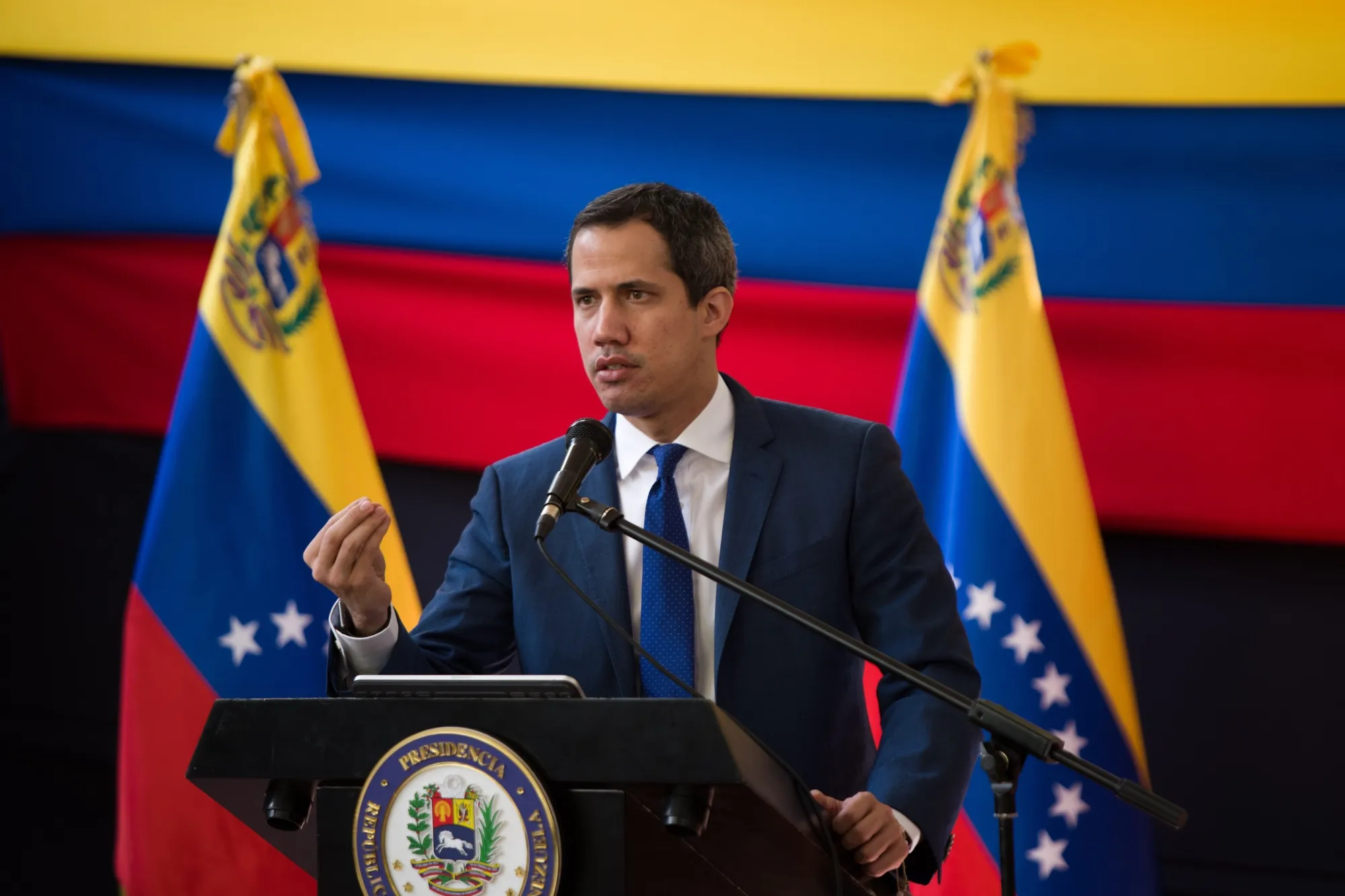
This essay explores how populist movements interact with constitutional politics, the motivations behind such reforms, the implications for democratic institutions, and the global patterns emerging from these developments.
The Essence of Populism: People Versus the Elite
At its core, populism is a political approach that frames politics as a battle between the “pure people” and a “corrupt elite.” It draws its strength from a sense of marginalization—real or perceived—among the population, and often emerges during times of economic hardship, political scandal, or cultural upheaval.
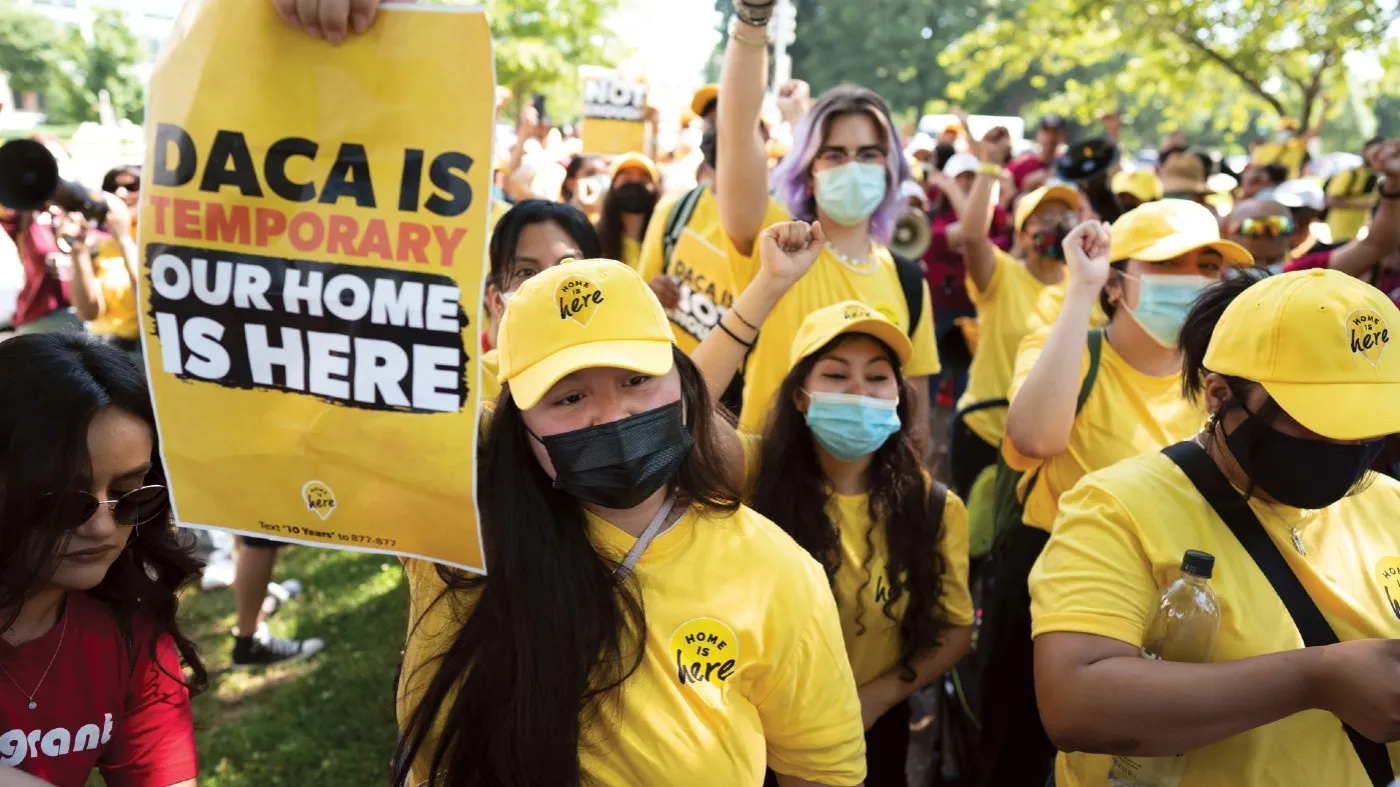
Populist movements are ideologically diverse. Right-wing populists may focus on nationalism, anti-immigration sentiment, and traditional values, while left-wing populists may emphasize social justice, wealth redistribution, and opposition to neoliberalism. Despite their differences, both tend to challenge the existing political order and claim a direct, almost sacred connection with “the people.”
This perceived moral mandate gives populist leaders the rationale to bypass traditional institutions and norms, which they label as tools of a self-serving elite. Constitutions, courts, legislatures, and independent media are frequently portrayed as obstacles to the “will of the people”—a phrase often invoked to justify sweeping changes.
Constitutional Changes as a Tool of Power
Constitutions are designed to be durable, but not immutable. They can and should evolve with society. However, when constitutional amendments are driven by populist agendas, they are often less about adapting to societal needs and more about consolidating political control.
There are several ways in which populist leaders have pursued constitutional change:
-
Term Limit Extensions: Leaders like Russia’s Vladimir Putin, Turkey’s Recep Tayyip Erdoğan, and Venezuela’s Hugo Chávez have revised constitutions to extend or remove presidential term limits.
-
Judicial Reforms: In countries like Poland and Hungary, populist governments have restructured judicial systems to assert control over courts, often reducing their independence.
-
Electoral System Changes: Manipulating electoral laws, redistricting, or altering proportional representation mechanisms to benefit ruling parties.
-
Weakened Checks and Balances: Reforms that reduce the power of parliaments, watchdog institutions, and ombudsman offices in favor of a stronger executive.
-
Media Regulation and Civil Society Restrictions: Legal changes that suppress dissenting voices and limit civil society’s influence.
These reforms are often cloaked in democratic language—claiming to enhance transparency, fight corruption, or improve efficiency—but their underlying effect is frequently to centralize authority and limit pluralism.
Case Studies: Global Trends in Populist Constitutionalism
Hungary
Since coming to power in 2010, Prime Minister Viktor Orbán and his Fidesz party have rewritten Hungary’s constitution, curbed judicial independence, and expanded executive powers. Orbán justifies these moves as necessary to restore national sovereignty and protect “Christian civilization.” However, critics argue that Hungary has shifted from liberal democracy toward electoral authoritarianism, where democratic processes exist but are heavily tilted in favor of the ruling party.
Turkey
President Recep Tayyip Erdoğan spearheaded a 2017 constitutional referendum that replaced Turkey’s parliamentary system with a powerful presidency. He framed the changes as essential for national unity and security, especially in the wake of a failed coup. However, the result has been a dramatic concentration of power in the executive, suppression of dissent, and reduced judicial oversight.
Brazil and the United States
While constitutional changes have not occurred to the same extent, populist rhetoric under leaders like Jair Bolsonaro and Donald Trump has challenged institutional norms. In both countries, populist movements questioned the legitimacy of elections, delegitimized the media, and fostered polarization—putting democratic institutions under unprecedented strain.
Latin America
Latin America has long been a theater of populist experimentation. From Evo Morales in Bolivia to Nayib Bukele in El Salvador, constitutional reforms have been used to extend terms and reduce institutional accountability. Bukele, for instance, pushed through judicial reforms and announced plans for constitutional amendments while enjoying high popularity—a classic hallmark of populist governance.
Democratic Institutions Under Pressure
Democratic institutions rely on norms as much as laws. While constitutions are the legal backbone, their effectiveness depends on respect for institutional boundaries, commitment to pluralism, and the willingness to share power.
Populist constitutional changes test these principles. As leaders reshape institutions to align with their political ambitions, the institutional independence and neutral functioning of the state often erode. Key threats include:
-
Judicial capture, where courts lose their role as impartial arbiters.
-
Media silencing, through state control or regulatory intimidation.
-
Legislative marginalization, especially when executives govern by decree or restrict parliamentary oversight.
-
Electoral unfairness, through gerrymandering, disinformation, or weakened election commissions.
The long-term danger is the creation of hybrid regimes, where the outward appearance of democracy remains—elections are held, parliaments convene—but real power is concentrated in the hands of a few, and genuine political competition disappears.
Public Support and the Paradox of Popularity
A key paradox in populist constitutionalism is that many of the reforms are popular, at least initially. Leaders often enjoy high approval ratings, fueled by charisma, nationalist sentiment, or promises to fix broken systems.
Citizens disillusioned with corruption, inequality, and elite indifference may support constitutional changes that seem to restore agency to the “common people.” Yet the same changes can ultimately reduce democratic accountability, leading to the erosion of rights and freedoms.
This dynamic underscores a profound tension: Democracy requires both majority rule and institutional restraint. When one dominates the other, the balance tilts toward authoritarianism, even if done through “democratic” procedures.
Global Responses and Resistance
The international community has responded to populist constitutionalism with mixed success. Tools such as:
-
Sanctions
-
Diplomatic pressure
-
Suspension from democratic clubs (e.g., EU or OAS)
-
Civil society support and independent media funding
…have been used to varying degrees. Yet sovereignty norms and populist claims of “foreign interference” often blunt their effectiveness.
More promising is domestic resistance. Independent judiciaries (where still functioning), vibrant civil societies, and investigative media have pushed back against abuses. In some cases, mass protests have halted or reversed constitutional overreach. For example:
-
In Chile, a populist-driven constitutional overhaul is being shaped through public participation and transparent processes, signaling a more constructive route.
-
In Slovakia and Czechia, anti-corruption movements have ousted populist leaders.
However, success often depends on institutional resilience and democratic culture, which vary widely across nations.
Technology, Populism, and Constitutional Manipulation
Digital platforms play a critical role in modern populism. Leaders bypass traditional media and speak directly to supporters via social media. This creates information bubbles, fuels polarization, and undermines shared facts—essential for democratic deliberation.
Additionally, AI tools, disinformation campaigns, and digital surveillance are increasingly being used to manipulate public opinion and silence dissent. In this context, constitutional safeguards like freedom of speech, privacy rights, and access to information face new threats that existing legal systems struggle to address.
Looking Ahead: A Battle for Constitutional Democracy
Populist movements are likely to remain a defining feature of global politics in the years ahead. The challenge is not necessarily to eliminate populism, but to channel its energy into constructive reform rather than democratic backsliding.
Strategies for preserving democratic institutions in the face of populist constitutionalism include:
-
Civic education that emphasizes constitutional principles and democratic values.
-
Legal safeguards that make constitutional changes more deliberative and inclusive.
-
Media literacy programs to combat disinformation.
-
International cooperation to promote democratic standards and share best practices.
Ultimately, the fate of constitutional democracy will depend on whether societies can uphold the rule of law, protect minority rights, and foster inclusive governance even amid populist pressure.
Conclusion: A Delicate Balance
Populist movements reflect real grievances and can play a constructive role in revitalizing democracy. But when they are coupled with constitutional changes that erode checks and balances, the result is often a drift toward authoritarianism cloaked in democratic rhetoric.
Constitutions must be living documents, but they should not become tools of domination. As populist leaders continue to reshape political systems in their image, the world must remain vigilant in defending the principles that make democracy resilient: pluralism, accountability, and institutional integrity.
In this unfolding global story, the stakes are nothing less than the future of democratic governance itself.








