









The situation in Gaza has descended into extreme chaos and violence, as internal armed conflict, famine, and foreign military operations overlap in a region devastated by nearly two years of continuous war. Hospitals, aid convoys, and civilian areas have turned into battlegrounds for rival factions, gangs, and militias. This breakdown in governance and order has led to widespread suffering among Gaza’s 2.3 million residents, many of whom now live amid ruins and rely on scarce humanitarian aid to survive.

I. Hospital Chaos Highlights Rising Lawlessness
1. Gun Battle at Nasser Hospital
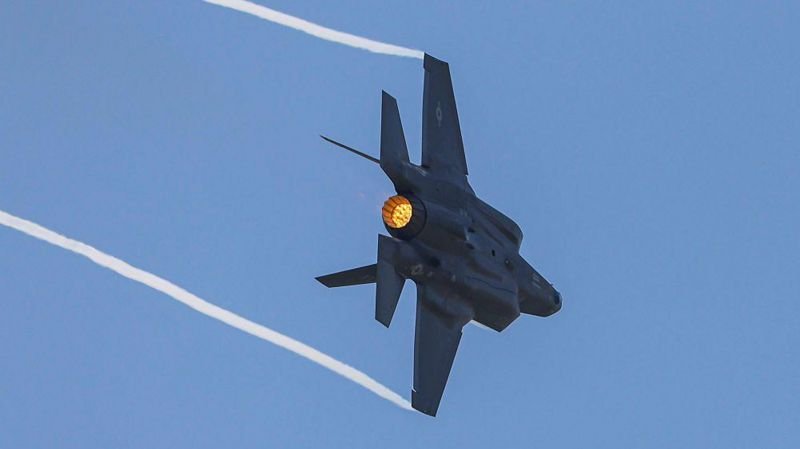
In a harrowing incident at Nasser Hospital in Khan Younis, a wounded man brought in after a gang clash became the flashpoint for violent escalation. Armed men stormed the emergency department shortly after his arrival, physically assaulting staff, destroying medical equipment, and setting vehicles ablaze. The violence quickly spiraled as another armed group—this one affiliated with the Hamas-run interior ministry—entered to restore control. What followed was an intense firefight between the rival groups, with Israeli drones circling above. The clash underscored the growing disorder and instability that now characterizes life in Gaza.
2. A Snapshot of Widespread Disorder
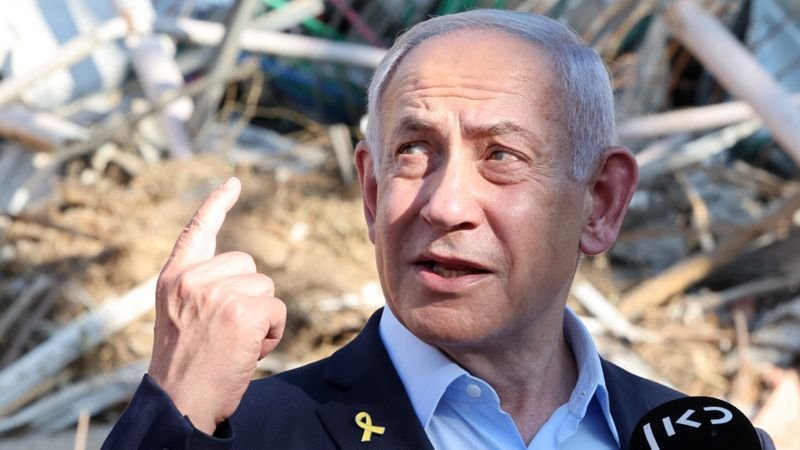
Medical staff and residents described the scene as a reflection of Gaza’s overall collapse. One humanitarian worker likened the atmosphere to a dystopian film, where gang warfare, ongoing Israeli strikes, and internal power struggles coexist in a shattered landscape filled with displaced and starving civilians. Gaza’s war-torn reality, triggered by Hamas’s October 2023 attack on Israel and Israel’s subsequent military campaign, has since evolved into a battleground between multiple actors vying for power and resources.
II. The Breakdown of Authority in Gaza
1. Fragmentation and the Rise of Local Militias
The landscape of conflict in Gaza has become more complicated with the rise of new factions and militias. Alongside Hamas, several armed groups have emerged, including clan-based militias, criminal gangs, and newly formed coalitions of independent community leaders. The territory is now fractured into semi-autonomous zones, each controlled by competing forces. The Israeli Defense Forces (IDF) maintain control over large swaths, including a perimeter buffer zone and parts of southern Gaza near Egypt. There, they reportedly collaborate with the Popular Forces militia, led by ex-convict Yasser Abu Shabab—though Abu Shabab denies any ties to Israel.
2. Hamas: Reduced but Resilient
Despite heavy losses, including the deaths of senior military commanders, Hamas continues to wield influence, particularly in Gaza City and the ravaged northern neighborhoods of Jabaliya and Shujaiya. Civilian administrators and paramilitary police linked to Hamas are still active, maintaining some local governance by organizing food lines, securing aid, and punishing criminal behavior. One local resident noted that while Hamas lacks its pre-war visibility, its presence endures.
III. Violent Clashes and Competing Forces
1. Hamas vs. Criminal Gangs
The violent confrontation at Nasser Hospital is only one example of Hamas’s ongoing conflict with criminal elements. Residents of Khan Younis reportedly expressed outrage at the hospital assault, demanding accountability from the involved factions. The Sahm force—a Hamas unit tasked with cracking down on looters—has also been targeted by Israeli airstrikes. In one such attack in Deir al-Balah, several Sahm officers and a dozen civilians were killed. Though witnesses claimed the officers were distributing seized aid, the IDF denied this account.
2. The High Cost of Scarcity
Aid shortages have exacerbated violence, making food one of Gaza’s most valuable commodities. With a single 25kg sack of flour fetching as much as $500, armed groups increasingly use aid control as a means of securing wealth and influence. Officials blame the artificial nature of the shortage—exacerbated by an Israeli blockade following a brief ceasefire—for driving much of the conflict. In this environment, access to aid equates to both survival and power.
IV. Community Responses and Grassroots Governance
1. Clans Step in to Fill Power Vacuum
In the absence of centralized control, powerful families and local leaders have stepped forward to assert authority and protect their communities. Abu Salman Al Moghani, a prominent community leader, explained that tribal coalitions such as the Supreme Tribal Committee have taken it upon themselves to guard food deliveries and prevent theft. These efforts reflect a broader grassroots response to the crisis, although they, too, must contend with the threat of armed looters and sporadic violence.
2. Humanitarian Convoys Under Siege
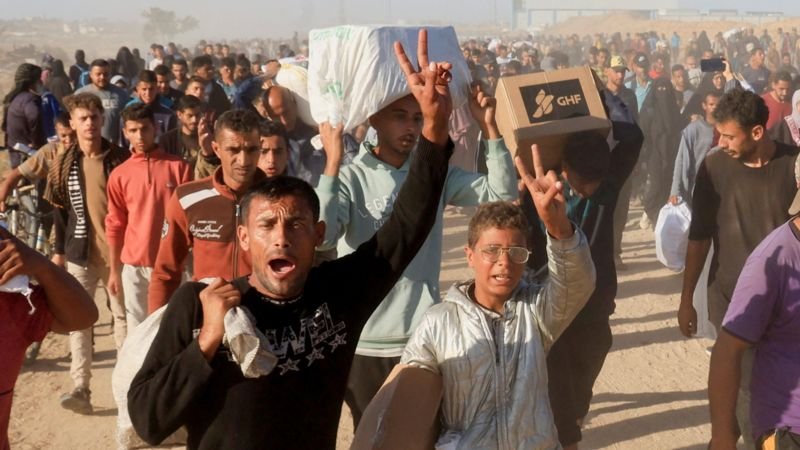
Even when aid convoys successfully enter Gaza—approximately 70 trucks per day, primarily carrying flour—they are often overwhelmed by desperate civilians. Makeshift roadblocks, built from concrete, frequently halt these convoys, leading to chaotic scenes where thousands try to seize whatever food they can. One aid worker described a convoy spanning two kilometers and surrounded by more than 50,000 people, illustrating the extreme desperation among Gaza’s population.
3. Distribution Hubs Become Deadly Flashpoints
Food distribution centers, including those operated by the Gaza Humanitarian Foundation (GHF), have become flashpoints of conflict. The GHF, a shadowy group backed by both U.S. and Israeli interests, claims to have distributed over 51 million meals in a highly volatile setting. Yet these hubs have also witnessed mass casualties. According to the International Committee of the Red Cross (ICRC), over 500 people have been killed by Israeli live fire while attempting to collect aid in recent weeks. Thousands more have sustained gunshot injuries.
V. Allegations and Investigations of War Crimes
1. IDF Faces Scrutiny Over Civilian Deaths
Reports from credible outlets such as Haaretz suggest that Israeli soldiers have received direct orders to fire on civilians. The IDF has launched an internal investigation into these allegations, with eyewitness accounts from soldiers highlighting confusion and disorder on the ground. One officer reportedly confessed, “Even I no longer know who’s shooting at whom,” a statement that illustrates the spiraling uncertainty and lack of command clarity in Gaza’s battle zones.
Conclusion
As Gaza continues to spiral into a state of fragmentation and lawlessness, civilians find themselves caught between warring factions, criminal gangs, and foreign military forces. Once a densely populated and functioning region, the enclave has become an arena of survival, where humanitarian aid has turned into a weapon and governance into a contested struggle. While some community leaders and aid agencies strive to impose order and deliver relief, the prevailing chaos renders even the most basic acts of assistance dangerous. The humanitarian crisis deepens daily, and without a coordinated and comprehensive international response, the suffering of Gaza’s population is unlikely to subside.








