








In an era marked by economic shocks, global uncertainty, and shifting fiscal landscapes, the pursuit of financial stability has become a central goal for nations, businesses, and households alike. Financial stability is not simply the absence of crisis; it refers to a state where the financial system operates efficiently, economic actors are resilient to shocks, and long-term growth can be sustained. However, reaching and maintaining this equilibrium is fraught with both opportunities and significant risks.

This comprehensive analysis explores the dual nature of the journey toward financial stability—the prospects that offer hope for sustained economic health, and the pitfalls that threaten to undermine progress. It examines these dynamics at multiple levels: global, national, institutional, and individual. By identifying key trends, tools, and challenges, this essay aims to provide a holistic understanding of what it takes to build and safeguard financial stability in the modern world.

I. Understanding Financial Stability
Financial stability exists when a country’s financial system—comprising banks, financial markets, payment infrastructures, and regulatory bodies—functions smoothly. It implies that credit flows efficiently, markets remain liquid, and economic confidence persists. A financially stable system is resilient to external shocks and capable of supporting sustainable economic growth.
At the micro-level, financial stability extends to households and businesses having predictable income flows, manageable debts, and the ability to plan for the future. At the macro level, it reflects balanced fiscal and monetary policies, effective regulation, and institutional credibility.
II. The Prospects: Opportunities on the Road to Stability
1. Economic Diversification and Resilience Building
One of the strongest levers for financial stability is economic diversification. Countries overly reliant on a single sector—such as oil, agriculture, or tourism—are highly vulnerable to price shocks and global demand fluctuations. Diversifying the economy increases resilience and reduces volatility. For instance, Gulf states like Saudi Arabia and the UAE are making strides to reduce dependence on oil by investing in technology, logistics, and renewable energy.
2. Digital Finance and Financial Inclusion
The rise of fintech, mobile banking, and blockchain technologies presents an unprecedented opportunity to extend financial services to underserved populations. In regions like Sub-Saharan Africa, mobile money platforms such as M-Pesa have brought millions into the formal financial system, enabling saving, borrowing, and investing. Financial inclusion not only empowers individuals but also strengthens the broader economy by increasing savings rates, consumption, and investment.
3. Sound Monetary and Fiscal Policies
Countries with credible central banks and disciplined fiscal frameworks are better positioned to manage inflation, debt, and investor confidence. Inflation targeting regimes, independent central banks, and conservative budgeting help anchor expectations and prevent fiscal slippages.
4. Global Cooperation and Multilateral Institutions
Institutions like the IMF, World Bank, and regional development banks play vital roles in helping countries design reforms, access funding, and stabilize economies. Debt restructuring frameworks and climate finance initiatives are helping vulnerable nations navigate shocks more effectively.
5. Sustainability and ESG Investment
The global shift toward Environmental, Social, and Governance (ESG) principles is aligning investment flows with long-term stability goals. Green bonds, sustainable banking practices, and responsible corporate governance are becoming central to how capital is allocated, reducing the risks associated with environmental degradation and social unrest.
6. Capital Market Development
Developing deep and liquid capital markets allows governments and businesses to raise funds more efficiently and manage risk better. A robust bond market, stock exchanges, and private equity ecosystems can reduce overreliance on banks and increase resilience.
III. The Pitfalls: Risks and Obstacles Along the Way
Despite the many prospects, numerous pitfalls can derail financial stability if left unaddressed.
1. Excessive Debt and Fiscal Imbalances
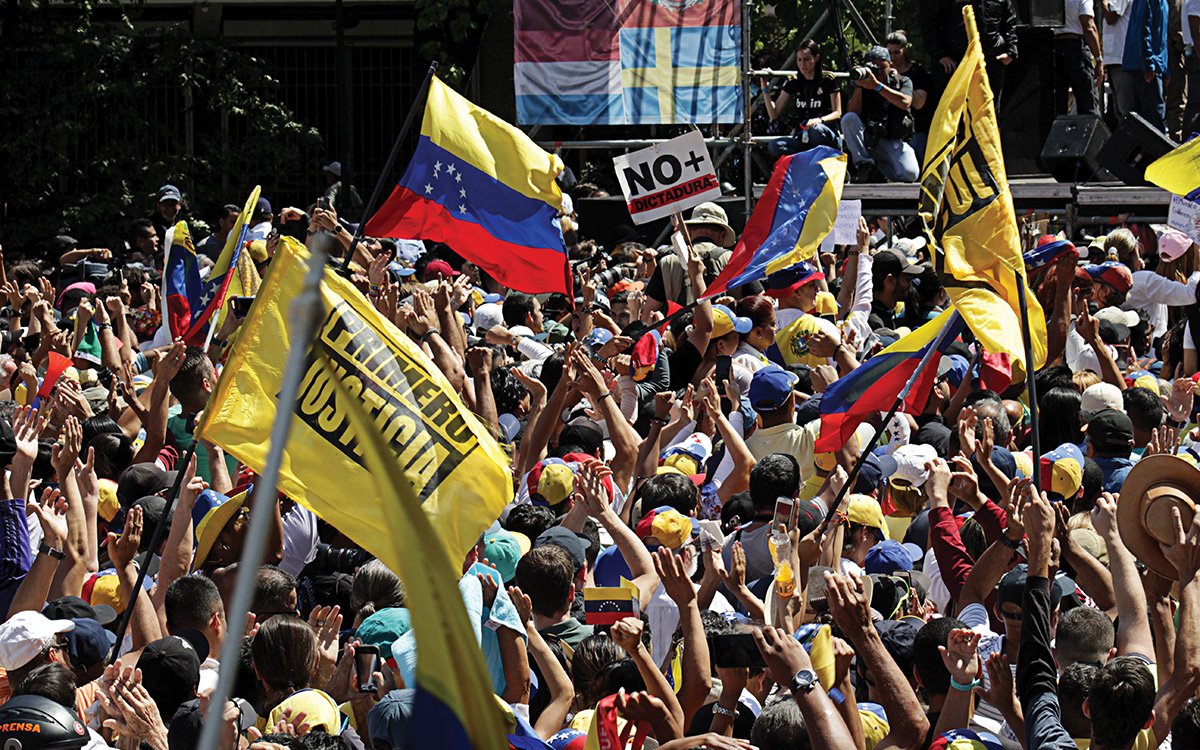
Many countries, particularly in the Global South, face unsustainable debt burdens exacerbated by the COVID-19 pandemic, climate-related disasters, or geopolitical shocks. When debt servicing crowds out social and infrastructure spending, it leads to austerity, social unrest, and economic stagnation.
Advanced economies are also not immune. High debt-to-GDP ratios in the U.S., Japan, and parts of Europe pose long-term risks, especially if interest rates rise and fiscal space shrinks.
2. Global Inflation and Interest Rate Volatility
After decades of low inflation, the global economy has faced surging prices due to supply chain disruptions, commodity shocks, and expansionary policies. Central banks have responded with aggressive rate hikes, which may lead to financial tightening, capital flight, and debt crises in emerging markets.
Sudden shifts in interest rates can also trigger asset bubbles or collapse, affecting real estate, equity markets, and pensions.
3. Geopolitical Instability and Economic Fragmentation
The rise of multipolar competition, particularly between the U.S. and China, the war in Ukraine, and tensions in the Middle East, has disrupted trade flows and increased uncertainty. Sanctions, supply chain decoupling, and reshoring strategies may reduce efficiency and increase inflationary pressures.
Increased fragmentation of the global economy can undermine multilateralism, making it harder to coordinate responses to global crises like pandemics or climate change.
4. Climate Change and Environmental Shocks
Extreme weather events, rising sea levels, and biodiversity loss are not just environmental concerns—they are financial threats. Climate-induced migration, agricultural collapse, and infrastructure damage can lead to bank defaults, insurance crises, and social unrest.
Without investment in climate adaptation, resilient infrastructure, and risk pricing mechanisms, climate shocks will severely compromise financial stability.
5. Weak Institutions and Corruption
Sound financial systems rely on transparent, accountable, and efficient institutions. In countries where corruption is rampant, regulatory capture is common, and the rule of law is weak, capital is misallocated, tax revenues are lost, and investor confidence is undermined.
Corruption also distorts public spending priorities, fueling inequality and social discontent.
6. Banking Crises and Shadow Finance
Unregulated financial entities, or the “shadow banking” system, pose systemic risks. As seen in the 2008 global financial crisis, leverage, opacity, and interconnectedness can trigger contagion. In developing countries, weak supervision of microfinance, informal lending, and cooperatives can also lead to instability.
IV. Strategies for Strengthening Financial Stability
To ensure financial systems can withstand shocks and support development, a multi-pronged strategy is necessary:
1. Macroprudential Regulation
Regulators must look beyond individual institutions and focus on system-wide risks. Tools like countercyclical capital buffers, loan-to-value ratios, and stress testing are critical in identifying vulnerabilities before crises hit.
2. Central Bank Independence
Monetary authorities must be insulated from political pressures, enabling them to prioritize inflation control, financial supervision, and currency stability. Strong communication strategies and transparency also help anchor market expectations.
3. Public Financial Management Reform
Governments must improve budget transparency, revenue mobilization, and expenditure efficiency. Adopting digital tools for tax collection and public procurement reduces leakages and enhances accountability.
4. Debt Sustainability Frameworks
Debt must be managed within realistic growth assumptions. Countries can benefit from debt-for-climate swaps, concessional lending, and medium-term debt strategies to ensure that borrowing is aligned with development goals.
5. Social Safety Nets and Inclusive Growth
Financial stability cannot exist in the absence of social stability. Investments in health, education, food security, and employment programs reduce the risks of political backlash, labor unrest, and populist pressures.
V. The Role of Households and Individuals
Financial stability starts at home. Households and individuals must be equipped to manage risk, build resilience, and participate in the financial system responsibly.
1. Financial Literacy
Promoting understanding of budgeting, saving, investing, and credit management helps families avoid over-indebtedness and prepare for emergencies.
2. Savings Culture and Risk Protection
Access to microinsurance, pensions, and emergency savings can protect households from shocks like job loss or medical emergencies.
3. Entrepreneurship and Access to Credit
Inclusive financial systems that support small businesses, women entrepreneurs, and youth ventures contribute to economic dynamism and social mobility.
VI. Conclusion: Walking the Tightrope Toward Stability
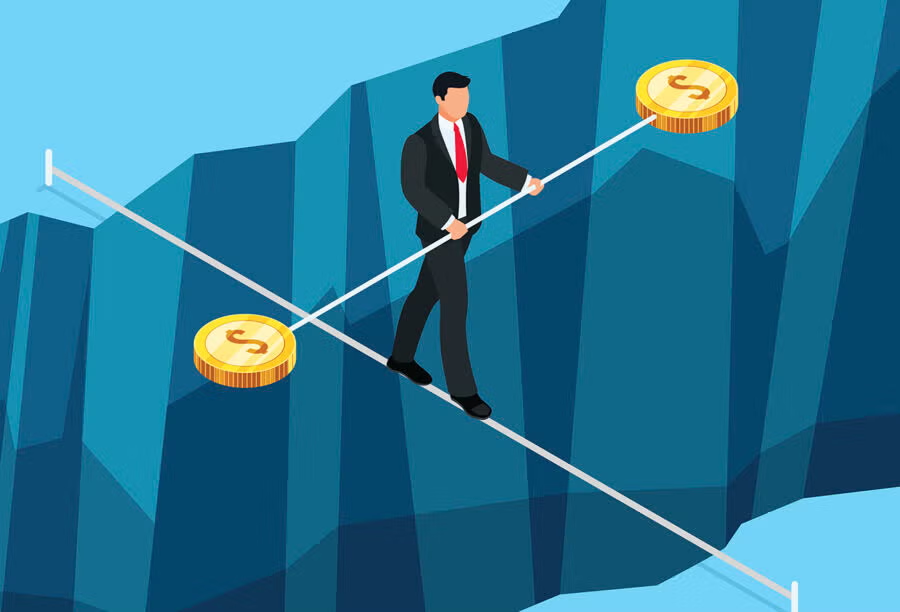
The path to financial stability is like a tightrope walk—delicate, disciplined, and constantly challenged by external forces. While the prospects for achieving stability have improved thanks to innovation, integration, and reform, the pitfalls are equally formidable.
Ultimately, financial stability is not a destination but a continuous process. It requires foresight from policymakers, adaptability from institutions, and discipline from citizens. Success lies in resilience, inclusivity, and responsible governance.
In a world where new crises can emerge as quickly as old ones fade, the journey toward financial stability is not optional—it is the foundation upon which prosperity, equity, and sustainability are built.








