







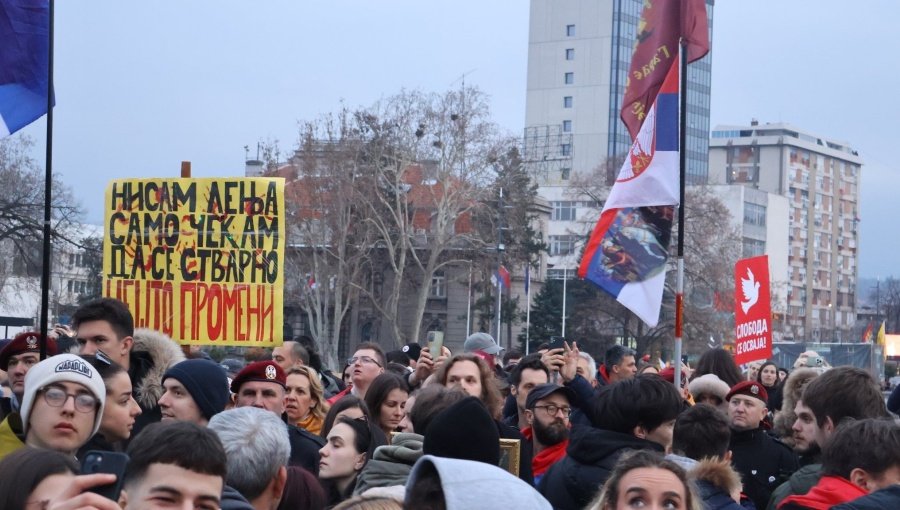

Across cities, towns, and rural provinces, a wave of protest has swept through the nation, as thousands—often tens of thousands—take to the streets demanding new elections, governmental reform, and a more accountable leadership. What began as isolated demonstrations over alleged corruption and economic mismanagement has now evolved into a national movement, reflecting deep-rooted dissatisfaction with the political establishment. Citizens, galvanized by years of frustration, are uniting in a powerful show of democratic will, insisting that the time for change is now.
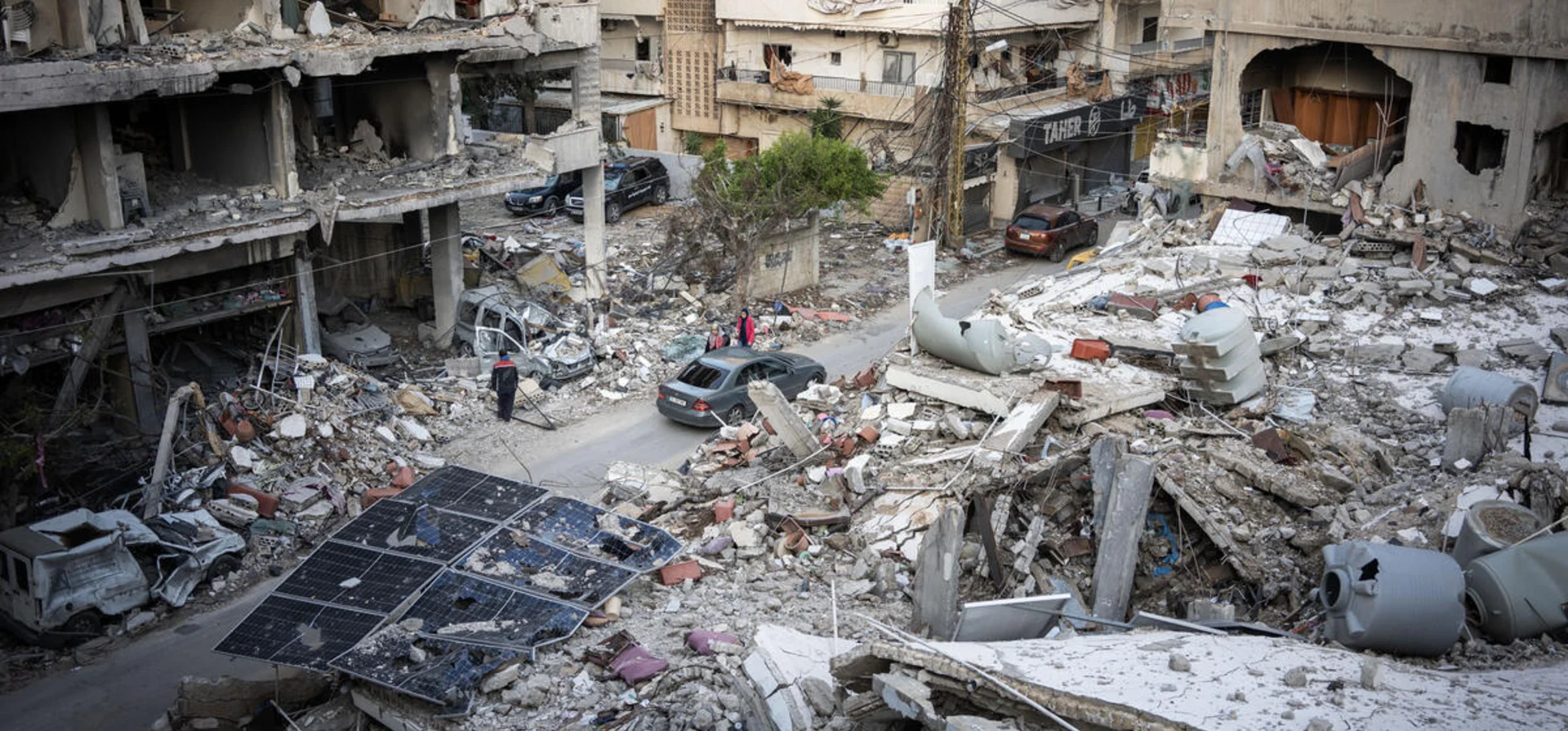

This moment is not unique in global history, but it is particularly significant given the convergence of social, economic, and political crises that have triggered this surge of civil unrest. With widespread unemployment, inflation, unequal access to basic services, and persistent allegations of electoral fraud, many feel that their voices have been silenced for too long. As protests escalate, so too does the urgency for the ruling government to respond—either through reform or risk spiraling into deeper conflict.

The Catalysts: Why People Are Taking to the Streets
The immediate trigger for the protests was a controversial national election held several months prior. Opposition parties and international observers raised serious concerns about voter suppression, ballot manipulation, and irregularities in vote counting. Despite calls for transparency and audits, the ruling administration certified the results, sparking outrage among political activists and ordinary citizens alike.
But the roots of the movement run deeper. For years, citizens have expressed frustration over:
-
Rampant corruption in public institutions, where bribery, nepotism, and embezzlement are widespread.
-
Widening economic inequality, as a small elite thrives while millions struggle to afford food, housing, and healthcare.
-
Unemployment, particularly among youth, who are increasingly disillusioned with a system that offers few opportunities.
-
Erosion of civil liberties, including restrictions on press freedom, digital censorship, and the intimidation of dissenters.
-
A perceived lack of political accountability, with elected officials seen as prioritizing personal gain over national interest.
Together, these grievances have converged into a common demand: a government that listens, represents, and serves its people.
The Shape and Spirit of the Protests
What makes this protest movement particularly striking is its grassroots, decentralized nature. While opposition parties and civil society groups have lent their support, the momentum has largely been sustained by ordinary citizens—students, workers, farmers, retirees, and members of the diaspora returning home to join the cause.
Protesters have adopted a diverse array of tactics, including:
-
Mass rallies in major cities, often held peacefully despite a heavy security presence.
-
Sit-ins at government buildings, demanding direct dialogue with officials.
-
National strikes, with teachers, healthcare workers, and transportation unions refusing to work.
-
Social media campaigns, mobilizing millions with hashtags like #NewElectionsNow and #ReformForAll.
-
Artistic expression, including protest songs, murals, and street theater that dramatizes public grievances.
At the heart of it all is a call not just for change, but for dignity—an insistence that citizens have the right to shape the future of their country.
Government Response: Repression, Dialogue, or Denial?
The government’s response has been mixed—and at times contradictory. Initially, authorities dismissed the protests as the work of foreign agents or political losers. As demonstrations grew in size and intensity, state security forces were deployed in larger numbers.
Repression and Arrests
In several instances, protests were met with violent crackdowns. Tear gas, rubber bullets, and water cannons were used to disperse crowds. Reports of arbitrary arrests, beatings, and the detention of journalists and human rights activists have drawn condemnation from watchdog organizations such as Amnesty International and Human Rights Watch.
Attempts at Dialogue
Facing mounting international pressure, the president recently proposed the formation of a “national unity commission” to explore potential reforms. However, many civil society leaders have rejected the offer as insincere, noting the absence of concrete guarantees or timelines.
Propaganda and Disinformation
State media has launched an aggressive counter-campaign, accusing protesters of being “enemies of the nation” or “tools of foreign powers.” Online, pro-government bots and influencers are spreading disinformation, attempting to fracture the movement and sow confusion.
Still, despite these tactics, public participation continues to grow—suggesting that efforts to quell dissent through repression or manipulation are failing.
The Role of Youth and Technology
Young people have played a central role in organizing and sustaining the protests. Digital natives in their teens and twenties are using platforms like Twitter, Instagram, Telegram, and TikTok to coordinate logistics, share real-time updates, and document human rights abuses.
Livestreams from protest sites often attract millions of views, making it harder for authorities to hide repressive actions. Tech-savvy organizers have created encrypted communication networks, online petitions, and crowdfunding campaigns to support the movement.
For many youth, this movement is not just about politics—it’s about identity. They see themselves as the generation that will redefine the social contract and push the country toward a more inclusive, equitable, and democratic future.
International Reaction and Geopolitical Implications
The international community has responded with a mixture of concern, caution, and calls for reform. Several democratic nations have issued joint statements urging the government to respect the right to peaceful protest and ensure electoral integrity. Some countries have threatened sanctions against top officials if violence against demonstrators continues.
At the United Nations, a recent resolution called for an independent investigation into human rights violations during the protests. Meanwhile, international NGOs and diaspora communities are keeping global attention focused on the situation through campaigns, rallies, and lobbying efforts.
However, some foreign powers—particularly those with strategic interests in the country—have taken a more reserved stance, wary of destabilization or regime change.
Economic Fallout and Public Services Under Strain
As protests intensify and national strikes continue, the economic toll is mounting. Public transportation systems are disrupted, businesses are closing early or not opening at all, and supply chains are breaking down.
Key sectors such as tourism, agriculture, and manufacturing are being hit hard. Foreign investors are pausing new projects, and credit agencies are warning of potential downgrades. The central bank has issued statements calling for calm, even as inflation surges and currency values fall.
Meanwhile, public services are reaching a breaking point. Hospitals are running low on supplies, schools have suspended classes, and essential utilities are struggling to operate in protest-affected areas. In the absence of clear leadership, chaos threatens to deepen.
Voices from the Ground
The power of this movement lies in its people, and their stories are as varied as they are compelling.
-
Maria, a schoolteacher from a small town, says: “I’ve never protested before, but I can’t sit by while my children grow up in a country where honesty doesn’t matter.”
-
Rafiq, a taxi driver in the capital, shares: “The cost of food has tripled. Every day I work 12 hours and still can’t feed my family properly. We need a new system.”
-
Ana, a university student and first-time voter, explains: “I don’t trust any of the parties. I want a new constitution, new elections, and a government that’s actually accountable to us.”
Their voices echo the same message: enough is enough.
Potential Outcomes: Reform, Revolution, or Repression?
As the movement grows, analysts are divided on what comes next. There are several possible scenarios:
-
Peaceful Transition and Reform: The government could agree to a roadmap that includes new elections, judicial oversight, and structural reforms. This would require credible international mediation and domestic compromise.
-
Escalation into Conflict: If the government continues using force and protesters refuse to back down, the situation could deteriorate into civil unrest or violent confrontation—especially if the military or security forces fracture.
-
Protest Fatigue and Status Quo: Over time, economic hardship and state repression could exhaust the movement, allowing the government to maintain power—though legitimacy would remain eroded.
-
Emergence of a New Political Force: A unified opposition or new civic coalition could capitalize on public sentiment and challenge the current establishment in future elections.
Conclusion: A Nation at a Crossroads
The protests represent a pivotal moment in the nation’s history. They are not merely about electoral grievances—they are about a people demanding the right to define their own destiny. In streets filled with banners and chants, amidst the tear gas and tension, lies the profound assertion that sovereignty belongs not to a ruling class, but to the citizens themselves.
The road ahead is uncertain and fraught with risk. But it is also filled with potential—for renewal, for healing, and for the creation of a system that truly reflects the will of its people. Whether this moment leads to real change or suppressed hope will depend not only on the government’s actions, but on the perseverance of those who dare to speak truth to power.
In the words of one protest sign held high by a young activist:
“We Are The Future—Let Us Decide It.”








