







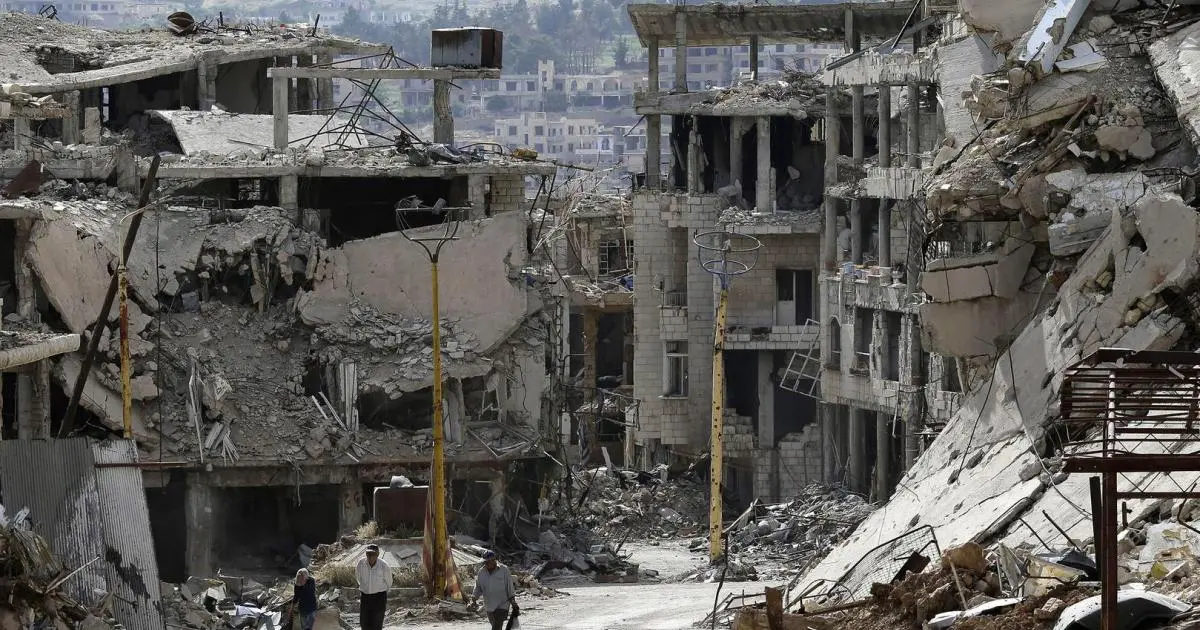


In the aftermath of violent conflict, nations are left not only with scarred landscapes and devastated populations but also with shattered infrastructure and governance systems. Rebuilding after war is not merely about reconstruction in a physical sense—it is a multidimensional endeavor involving restoring public trust, rebuilding institutions, ensuring security, and laying the foundation for sustainable development. The success or failure of this process can determine whether a country moves toward peace and stability—or slides back into chaos.

This essay explores the core challenges, key strategies, and lessons learned in rebuilding infrastructure and governance after conflict, drawing from global case studies and international best practices.
1. The Devastating Impact Of War On Infrastructure And Institutions
Conflict often leaves nations in ruins. Roads, bridges, schools, hospitals, water systems, and power grids are targeted or neglected, disrupting essential services. But beyond physical destruction, wars erode institutions—undermining judicial systems, corrupting bureaucracies, and paralyzing governance mechanisms. The rule of law may collapse, trust in leadership may vanish, and the very concept of a “state” may be questioned by the population.
In places like Iraq, Afghanistan, Syria, South Sudan, and Libya, prolonged wars have decimated both tangible and intangible state assets. Post-conflict societies often face a triple burden:
-
Rebuilding what was destroyed,
-
Transforming the systems that contributed to the conflict, and
-
Creating inclusive and legitimate governance structures that can prevent a relapse into violence.
2. Infrastructure: The Backbone Of Recovery
Rebuilding infrastructure is often the most visible sign of post-conflict recovery. Restoring electricity, clean water, transportation, and communication is not only about service delivery—it is about re-establishing the state’s presence and capacity.
a. Short-Term Needs: Emergency Reconstruction
Immediately after conflict, emergency infrastructure is essential to allow humanitarian aid to flow and people to return home. Debris removal, temporary shelters, water tanks, and mobile health units often take priority. International agencies, including the UN, World Bank, and Red Cross, often play a key role in coordinating this early phase.
b. Long-Term Planning: Beyond Reconstruction
As the situation stabilizes, rebuilding shifts from emergency relief to long-term infrastructure development. This involves:
-
Reconstructing roads, bridges, and airports to revive the economy;
-
Restoring health and education facilities;
-
Modernizing utility systems (electricity, water, waste management);
-
Investing in digital and IT infrastructure to support governance and commerce.
One of the most successful examples is Rwanda. After the 1994 genocide, Rwanda embarked on a large-scale infrastructure and public service reconstruction effort. Two decades later, it boasts one of the fastest-growing economies in Africa and high rates of access to public services.
3. Governance: From Fragility To Functionality
While rebuilding infrastructure is essential, rebuilding governance is even more complex. The legitimacy of a post-conflict government often hangs in the balance. Power struggles, weak institutions, and widespread corruption can derail any peace process.
a. Transitional Governance Arrangements
In many post-conflict situations, transitional governments or power-sharing arrangements are used to bridge warring factions. Examples include the Bonn Agreement in Afghanistan (2001) and the Comprehensive Peace Agreement in Sudan (2005). These arrangements seek to create an inclusive political framework that prevents immediate violence and lays the groundwork for elections and reforms.
However, transitional governments can be fragile. Without sufficient international support and internal consensus, they may collapse, as seen in Libya after 2011.
b. Building Inclusive Institutions
For governance to be sustainable, institutions must be:
-
Inclusive: representing all ethnic, religious, and political groups;
-
Transparent: minimizing corruption and patronage;
-
Responsive: delivering services efficiently to all citizens.
A strong emphasis on local governance is essential. Municipal governments and traditional community leaders often play a more direct role in people’s daily lives than national authorities. Empowering local councils, providing training, and ensuring budgetary autonomy can increase trust and participation.
c. Rule Of Law And Justice
A functioning judicial system is critical in the post-conflict phase. Addressing war crimes, land disputes, and property restitution is necessary for reconciliation and stability. Transitional justice mechanisms—such as truth commissions, reparations, and international tribunals—can help societies reckon with the past and move forward.
The Truth and Reconciliation Commission in South Africa is a widely cited model, though its effectiveness continues to be debated. In Bosnia, Cambodia, and Sierra Leone, hybrid courts were established to prosecute atrocities.
4. The Role Of International Actors
The international community plays a vital role in post-conflict recovery, but its effectiveness varies. Interventions can be helpful or harmful depending on coordination, cultural sensitivity, and respect for local ownership.
a. Financial Aid And Technical Assistance
Donor nations, multilateral institutions (such as the World Bank and IMF), and UN agencies provide crucial funding and expertise. However, aid must be well-targeted and aligned with national priorities. Donor fragmentation, lack of coordination, and bureaucratic delays can undermine recovery efforts.
The Marshall Plan after World War II is often cited as a model of effective international aid, though the global context today is far more complex. More recent successes, such as post-tsunami Aceh in Indonesia, demonstrate the value of strong local ownership and donor alignment.
b. Peacekeeping And Security
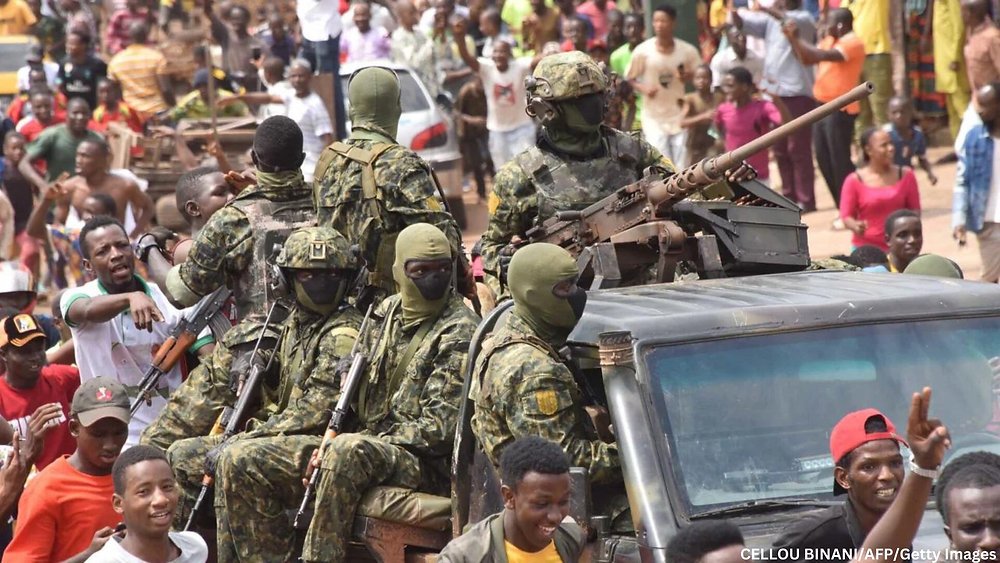
Security is a precondition for reconstruction. UN peacekeepers, regional forces, and bilateral security missions often provide the stability needed for rebuilding. However, their mandates and conduct matter greatly.
In Haiti, Mali, and the Democratic Republic of Congo, peacekeeping missions faced criticism for ineffectiveness or abuse. In contrast, UNMIL in Liberia is widely credited with helping the country transition to peace.
5. Reconciliation And Social Cohesion
No amount of physical rebuilding can ensure peace without reconciliation and healing. War leaves behind trauma, division, and mistrust. Rebuilding governance must go hand in hand with fostering social cohesion.
a. Dealing With The Past
Public acknowledgement of atrocities, national apologies, and historical education help societies confront their past. Memorials, museums, and cultural initiatives can contribute to a shared narrative and prevent denialism.
b. Community Dialogue
Local dialogue initiatives can help rebuild relationships among divided groups. In Burundi and Northern Ireland, community-based peacebuilding has been essential to rebuilding trust and preventing violence.
c. Education And Youth Engagement
Youth are often the most affected by conflict and the most critical to peace. Providing education, employment opportunities, and civic engagement platforms for young people reduces the risk of radicalization and violence recurrence.
6. The Challenge Of Corruption And Mismanagement
Corruption is a major obstacle to post-conflict recovery. Billions in aid can be siphoned off through patronage networks, inflated contracts, and bribery. Corruption erodes public trust and delegitimizes the state.
Transparent procurement systems, anti-corruption watchdogs, and civil society oversight are essential components of good governance. Technology—such as blockchain in public spending, e-governance platforms, and digital ID systems—can enhance accountability if implemented well.
7. Sustainability, Resilience, And Climate-Smart Reconstruction
Post-conflict reconstruction must not merely restore the old systems but should build back better. This includes integrating climate resilience, green energy, and sustainable planning into infrastructure and governance design.
For instance, solar mini-grids in rural Africa have provided reliable power to communities previously disconnected from the grid—contributing both to recovery and to climate goals. In post-earthquake Nepal, reconstruction of schools and homes incorporated earthquake-resistant design to mitigate future risk.
8. The Road Ahead: Lessons And Principles
From the Balkans to the Horn of Africa, several principles have emerged that underpin successful post-conflict recovery:
-
Local Ownership: Recovery must be led by the affected population, not imposed by outsiders.
-
Sequencing Matters: Security, justice, and development must be carefully timed—none can succeed in isolation.
-
Long-Term Commitment: Recovery is not a 2-3 year process—it can take decades. International support must be sustained.
-
Inclusion Over Expediency: Political shortcuts may offer short-term peace but can undermine long-term stability if they exclude key groups.
-
Flexibility And Adaptation: No one-size-fits-all model exists. Every country requires tailored solutions based on its history, culture, and conflict dynamics.
Conclusion
Rebuilding infrastructure and governance after conflict is among the most difficult and critical tasks a nation can undertake. It demands not just cranes and concrete but vision, patience, and inclusive leadership. While international assistance plays a vital role, true recovery must come from within—anchored in the aspirations and capacities of the people themselves.
The pathway to lasting peace and prosperity lies in restoring trust, rebuilding institutions, and creating systems that serve all citizens. As the world faces an increasing number of conflicts and climate-related disasters, the lessons of post-conflict recovery will become even more vital. Rebuilding after war is not just a humanitarian imperative—it is an investment in a more stable and just global future.








