







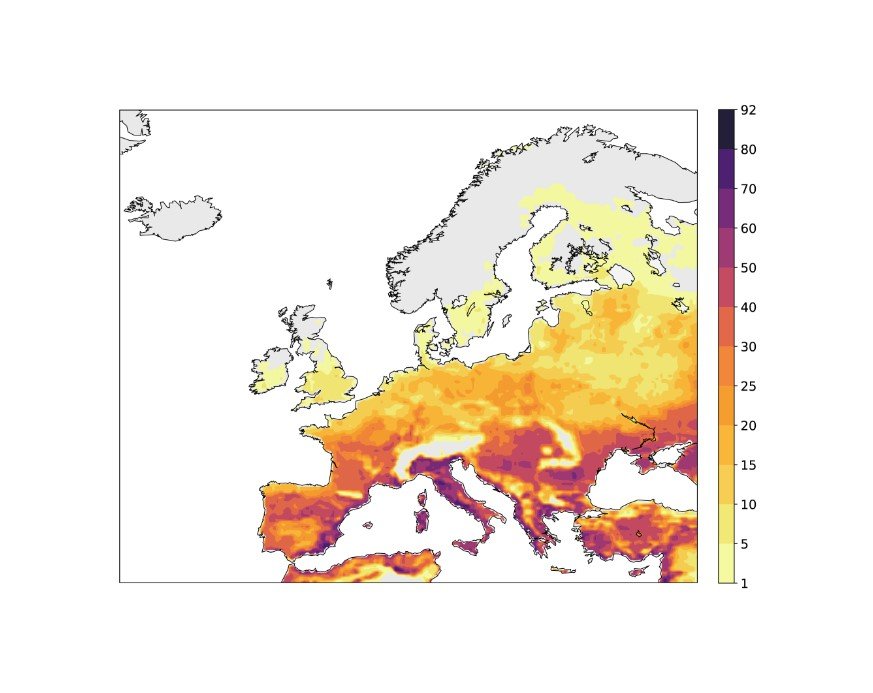


In recent weeks, Europe has found itself in the grip of an unrelenting and historic heatwave, with temperatures soaring to levels never before recorded in many regions. From the Iberian Peninsula to Eastern Europe, a wave of record-breaking heat is sweeping across the continent, pushing thermometers beyond 45°C (113°F) in some cities. This extreme weather event is not only breaking long-standing meteorological records but also bringing serious and immediate public health concerns to the forefront.

Governments, health agencies, and international organizations are racing to respond as hospitals fill with heatstroke patients, wildfires rage across dried-out landscapes, and vulnerable populations face life-threatening conditions. While heatwaves are not new to Europe, the intensity, frequency, and duration of this one has led experts to label it one of the most dangerous in modern history.
Meteorological Overview: The Scope and Scale of the Heatwave
Europe’s current heatwave is being fueled by a persistent high-pressure system that has parked itself over the continent, blocking cooler air masses from the Atlantic and funneling in hot, dry air from North Africa. This meteorological phenomenon, often referred to as a “heat dome,” traps heat over a region for an extended period, exacerbating already elevated temperatures.
Meteorological agencies across Europe have recorded astounding figures:

-
Spain and Portugal have reported temperatures surpassing 46°C (115°F), the highest in their recorded history.
-
France saw over 35 cities break all-time temperature records in a single week, with Paris reaching 42.7°C (108.9°F).
-
Germany, Poland, and the Netherlands reported consecutive days of temperatures over 38°C (100.4°F), shattering records that had stood for decades.
-
Southern Italy and Greece, already battling wildfires, are witnessing a string of days above 40°C, severely impacting agriculture and tourism.
Climate scientists note that such heatwaves are becoming increasingly common and intense due to global warming. According to the European Centre for Medium-Range Weather Forecasts (ECMWF), this current event is 1.5–2.0°C warmer than similar historic heatwaves from past decades, a direct result of climate change.
Public Health Crisis: Vulnerable Populations at Risk
The most urgent consequence of the heatwave is its impact on public health, particularly among vulnerable populations. Elderly individuals, children, people with pre-existing health conditions, and outdoor workers are facing heightened risks.
Hospitals across the continent are reporting surges in emergency cases related to heatstroke, dehydration, cardiovascular strain, and respiratory distress. In France alone, health authorities reported over 4,000 additional hospitalizations during the first week of the heatwave, a number projected to climb if conditions persist.
European heat-related fatalities have already reached over 2,000—a grim reminder of the 2003 heatwave, which claimed more than 70,000 lives across the continent. Although public awareness and emergency planning have improved since then, the scale of this year’s heatwave has strained even the most prepared systems.
Urban Heat Islands
Urban areas are particularly dangerous during heatwaves. Cities like London, Rome, and Berlin, where concrete infrastructure traps and radiates heat, are seeing “urban heat islands” with nighttime temperatures remaining above 30°C (86°F)—providing no relief after sunset. This constant exposure significantly increases the risk of heat-related illnesses and death, especially for those without access to air conditioning.
Impact on Infrastructure and Public Services
The high temperatures are also placing immense pressure on infrastructure across Europe. Transportation networks are experiencing disruptions as rail lines warp under extreme heat and asphalt on roads softens or melts.
-
In the United Kingdom, several train services were suspended or delayed due to safety concerns, and parts of the London Underground recorded internal temperatures above 40°C.
-
Electricity grids across France, Spain, and Italy are facing soaring demand as millions turn to air conditioning and cooling systems. Rolling blackouts are being reported in areas where infrastructure cannot cope.
-
Water utilities are under strain too. In Greece and southern Italy, officials have issued warnings about low reservoir levels and potential water rationing, especially in rural areas.
Public services such as garbage collection, mail delivery, and even police patrols are being rescheduled to early morning hours to protect workers from peak heat.
Economic Consequences
Beyond the immediate health and infrastructure issues, the heatwave is inflicting substantial economic damage:
Agriculture
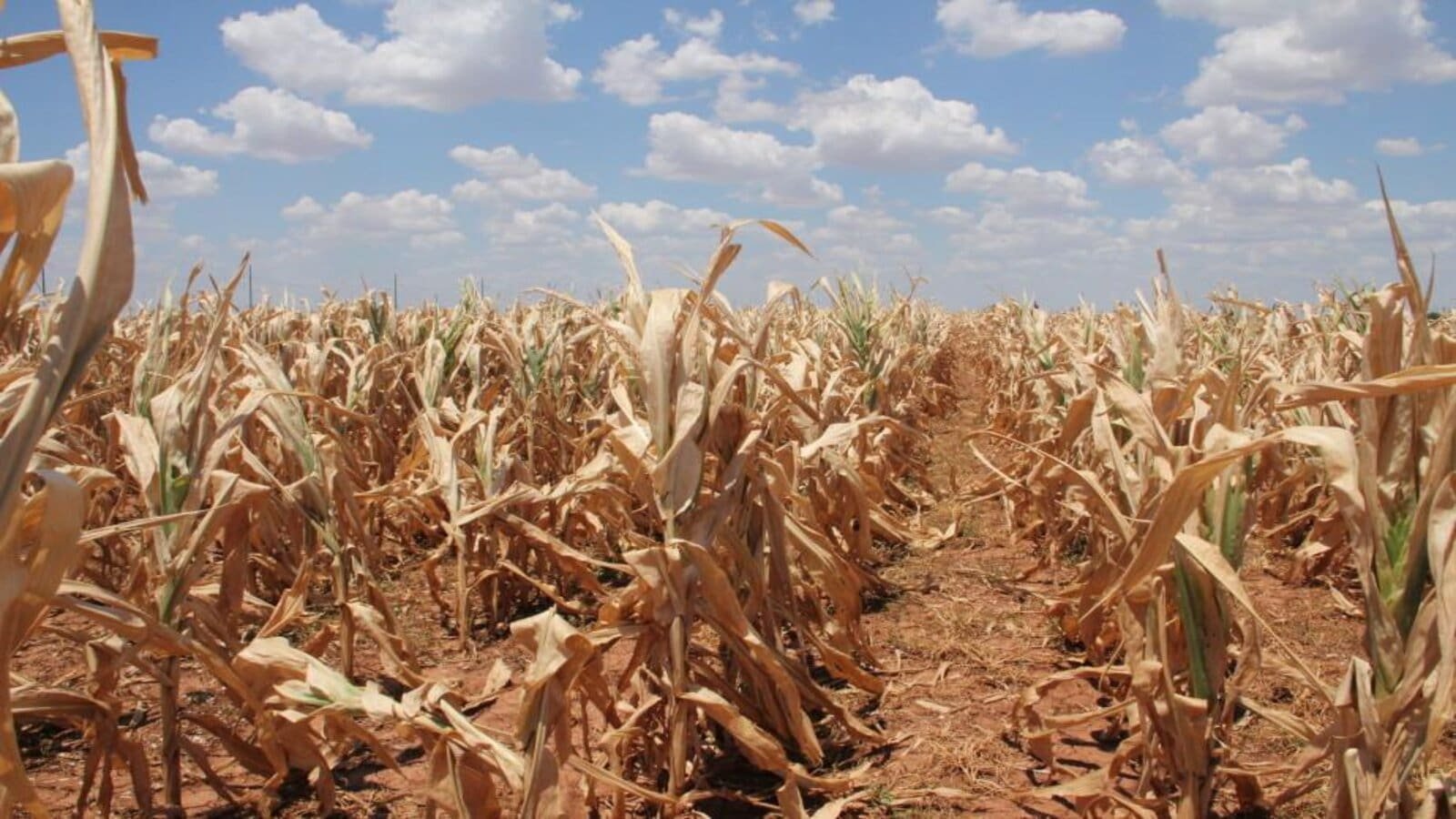
European agriculture is facing one of its worst seasons in decades. Prolonged high temperatures and water shortages are affecting:
-
Grain production in Germany and France
-
Olive and wine crops in Spain and Italy
-
Fruit and vegetable yields across Southern and Eastern Europe
Farmers are reporting up to 50% yield losses, particularly in areas without irrigation infrastructure. These disruptions are expected to drive up food prices, exacerbating inflation and deepening the cost-of-living crisis already affecting millions of Europeans.
Tourism
The tourism industry, which had been hoping for a strong post-pandemic recovery, is also feeling the heat. While some beach destinations in Portugal and Greece are still drawing crowds, major tourist hubs like Rome and Paris are witnessing a decline in bookings, especially from elderly travelers deterred by the dangerous heat.
Outdoor festivals, historical tours, and sporting events have been cancelled or rescheduled, impacting local businesses and hospitality sectors.
Government and Public Health Response
European governments are responding to the crisis with a mix of emergency measures, public health campaigns, and long-term planning.
Heat Alerts and Cooling Centers
Many countries have implemented tiered heat alert systems, issuing red alerts in areas where temperatures pose an imminent risk to life. Municipalities in cities like Madrid, Athens, and Vienna have opened “cooling centers”—air-conditioned public buildings where people can rest and hydrate.
Public Awareness Campaigns
Health agencies are using TV, radio, and social media to share tips on staying cool and recognizing signs of heat exhaustion. Recommendations include:
-
Drinking plenty of water
-
Staying indoors during peak hours (11 AM – 5 PM)
-
Wearing light clothing and using sun protection
-
Checking in on elderly neighbors and family members
Policy Adaptation and Climate Resilience
The crisis is also accelerating discussions about urban planning and climate adaptation. Cities are beginning to rethink architecture, green space development, and infrastructure resilience:
-
Planting more trees to provide natural shade
-
Designing buildings with passive cooling systems
-
Installing reflective rooftops and cooler pavements
-
Expanding public access to clean, drinkable water
These initiatives are essential for long-term resilience, as scientists warn that such heatwaves will become more frequent and severe in coming decades.
Climate Change: A Clear Connection
Climate scientists are unequivocal in linking this heatwave to anthropogenic climate change. According to the World Meteorological Organization (WMO), the frequency of extreme heat events in Europe has tripled in the last 20 years. Furthermore, studies by the IPCC (Intergovernmental Panel on Climate Change) suggest that global warming is increasing the probability and intensity of such events.
In a recent attribution study, researchers concluded that the current heatwave would have been virtually impossible without human-induced climate change. They also projected that if global temperatures rise by 2°C above pre-industrial levels, events like this could occur every 3–4 years.
European Solidarity and Global Implications
Despite the localized nature of the heatwave, its implications are global. The crisis highlights the urgent need for coordinated climate action, especially in densely populated and economically interlinked regions like Europe.
The European Union has pledged to accelerate its Green Deal initiatives, including:
-
Reducing greenhouse gas emissions by 55% by 2030
-
Investing in renewable energy infrastructure
-
Enhancing climate-resilient infrastructure
Additionally, countries are expected to review and strengthen their National Adaptation Plans (NAPs) as part of their commitments under the Paris Agreement.
Conclusion: A Warning That Cannot Be Ignored
The record-breaking heatwave currently sweeping across Europe is more than a temporary weather anomaly—it is a climatic emergency with far-reaching human, economic, and ecological consequences. It is a wake-up call for governments, businesses, and citizens to not only respond effectively to immediate threats but also to prepare for a future shaped by a changing climate.
As the continent battles through the heat, the message is clear: mitigation and adaptation are no longer optional—they are imperative. With proactive policy, international cooperation, and community resilience, Europe can turn this crisis into a catalyst for transformative change. But the window for action is rapidly closing.








