







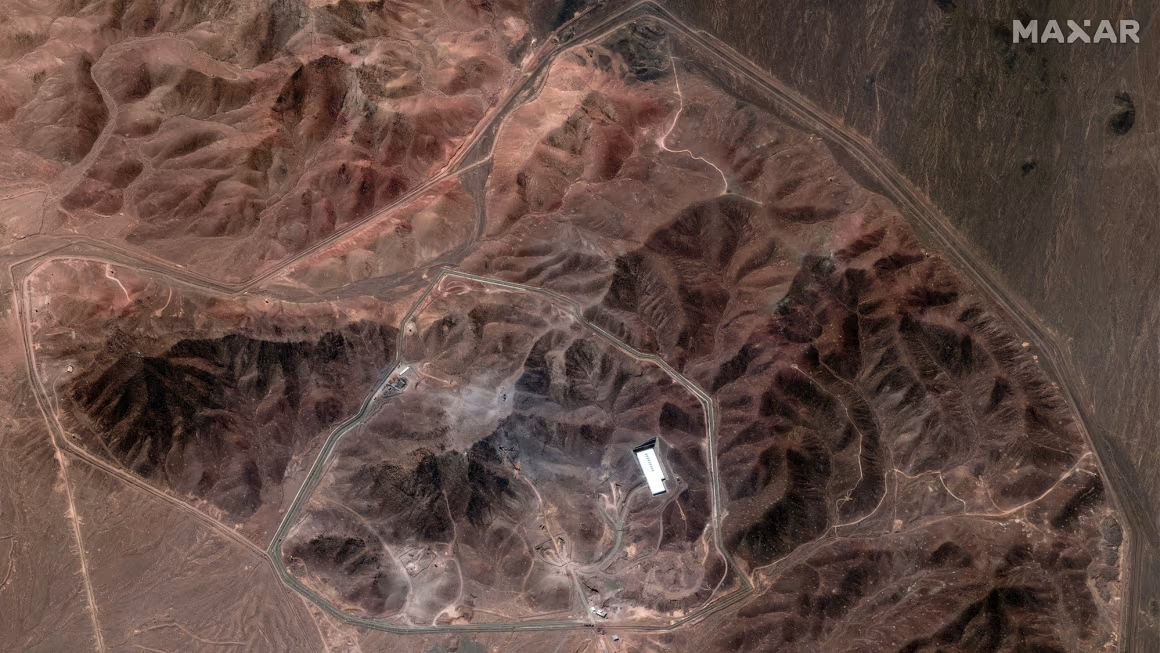


Recent satellite images have revealed that Iran has resumed work at its Fordow nuclear enrichment facility, days after the site was bombed by U.S. forces. Despite a series of precision airstrikes carried out by American B-2 bombers targeting the underground plant, evidence shows continued activity, particularly around ventilation shafts that were key targets of the attack. These developments contradict President Donald Trump’s assertion that the strikes significantly crippled Iran’s nuclear program, and instead suggest only temporary disruption.

I. Evidence of Continued Iranian Activity
1. Satellite Images Show Ongoing Work
New high-resolution satellite imagery captured by Maxar Technologies on Sunday reveals clear signs of movement and operations at the Fordow nuclear facility. According to Maxar, the images display heavy machinery, including an excavator and a crane, positioned near a ventilation shaft on the northern ridge above the subterranean structure. Personnel can also be seen working in the area, indicating that cleanup or repair activities are underway.
Several vehicles have been observed on-site, particularly along a path constructed to provide direct access to the ridge. These indicators suggest organized efforts by Iranian teams to assess and possibly begin restoring parts of the damaged site.
2. Backfilling and Damage Assessments
David Albright, a former nuclear inspector and president of the Institute for Science and International Security, analyzed the new images and concluded that Iranian workers are engaged in activities that likely involve engineering evaluations and radiological testing. He noted that the craters formed by U.S. Massive Ordnance Penetrator (MOP) bombs remain exposed, and while some surface repairs have been made—such as fixing access roads—there is no indication that Iran has begun reopening the tunnel entrances to the underground facility.
II. Overview of the U.S. Military Operation
1. Precision Bombing Campaign
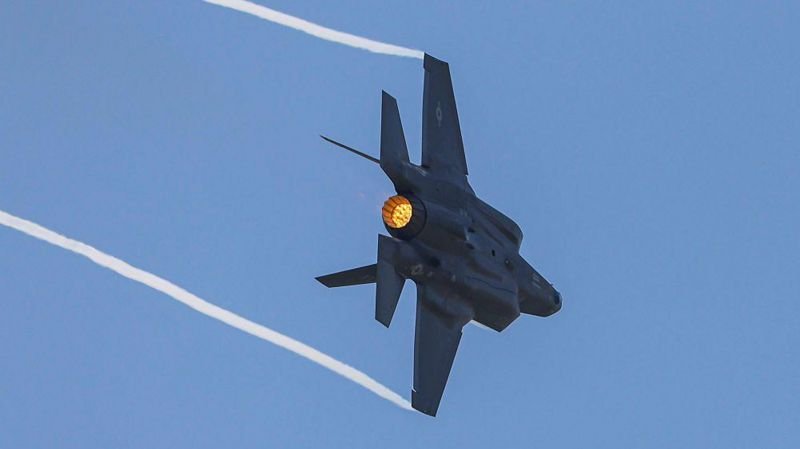
Earlier this month, the U.S. launched a coordinated assault on Iran’s key nuclear infrastructure using a combination of B-2 stealth bombers and Tomahawk cruise missiles. The Fordow and Natanz sites were targeted with more than a dozen bunker-busting bombs, while the Isfahan site was struck by missiles from a U.S. submarine.
At a Pentagon press briefing, Joint Chiefs Chairman General Dan Caine explained that the MOP bombs were specifically designed to pierce the heavily fortified underground sections of Fordow. The goal was to penetrate more than 1,000 feet into the earth, entering the facility through its main ventilation shafts before detonating. These strikes represented one of the most aggressive efforts to halt Iran’s nuclear activities in recent years.
2. Mixed Military Results
Despite the scale and sophistication of the operation, initial assessments by U.S. defense agencies suggest the mission did not fully dismantle Iran’s nuclear capabilities. Intelligence officials believe that although the attacks may have temporarily disrupted operations, Iran retains the ability to resume uranium enrichment within a few months. The Pentagon’s Defense Intelligence Agency supported this conclusion in an early evaluation reported by CNN, casting doubt on President Trump’s more optimistic statements about the strike’s effectiveness.
III. Contradictory Narratives on the Impact
1. Trump’s Declaration of Success
In the days following the bombing campaign, Donald Trump stated that the United States had “completely and totally obliterated” Iran’s nuclear ambitions. He suggested that the operation had delayed Iran’s nuclear development by decades. These bold claims were echoed in his public remarks and social media posts, positioning the airstrikes as a major strategic win.
However, Trump’s narrative appears increasingly inconsistent with expert analyses and official intelligence briefings. Observers point out that no conclusive evidence has been presented to support the claim that Iran’s nuclear infrastructure was decimated.
2. IAEA’s More Cautious Assessment
On Sunday, Rafael Grossi, Director General of the International Atomic Energy Agency (IAEA), cast further doubt on Trump’s assertions. Grossi stated that the U.S. strikes had fallen short of permanently disabling Iran’s nuclear program, and that Tehran could resume enrichment activities “within months” if it chose to. His comments echoed growing concerns within the international community that the operation, while militarily impressive, lacked long-term effectiveness in deterring Iran’s nuclear progress.
IV. Strategic and Diplomatic Implications
1. Iran’s Response and Resilience
The speed with which Iran has returned to work at Fordow highlights not only its technical resilience but also its political will to maintain its nuclear program. The fact that repair operations began within days of the strikes underscores Tehran’s determination to restore its facilities. By quickly assessing and possibly repairing the damage, Iran is signaling that it does not intend to abandon its nuclear ambitions under pressure.
2. Regional Security Concerns
The attack and subsequent developments have sparked renewed tensions in the Middle East. While Washington portrayed the bombing campaign as a necessary measure to prevent nuclear escalation, critics argue that it may provoke further retaliation from Iran and deepen regional instability. Iran’s ability to bounce back could also encourage other countries in the region to question the reliability of military deterrence as a strategy for nonproliferation.
3. Global Nonproliferation Challenges
The situation at Fordow serves as a critical test case for international nonproliferation norms. With the IAEA admitting the limitations of military action in halting nuclear enrichment, diplomatic solutions may once again come to the forefront. The international community faces the difficult task of re-engaging Iran in meaningful negotiations while navigating heightened political tensions.
Conclusion
The recent U.S. bombing campaign against Iran’s nuclear facilities was a bold and highly technical show of force, but emerging satellite evidence and expert assessments indicate it did not achieve its intended goal of halting Tehran’s nuclear program. Activity at the Fordow site continues, and Iran appears poised to resume enrichment operations sooner rather than later. As global powers reassess their strategies toward Iran, it becomes clear that military strikes alone may not provide a sustainable solution. Moving forward, diplomatic efforts and international oversight will be essential in addressing the complex challenge of nuclear proliferation in the region.








