







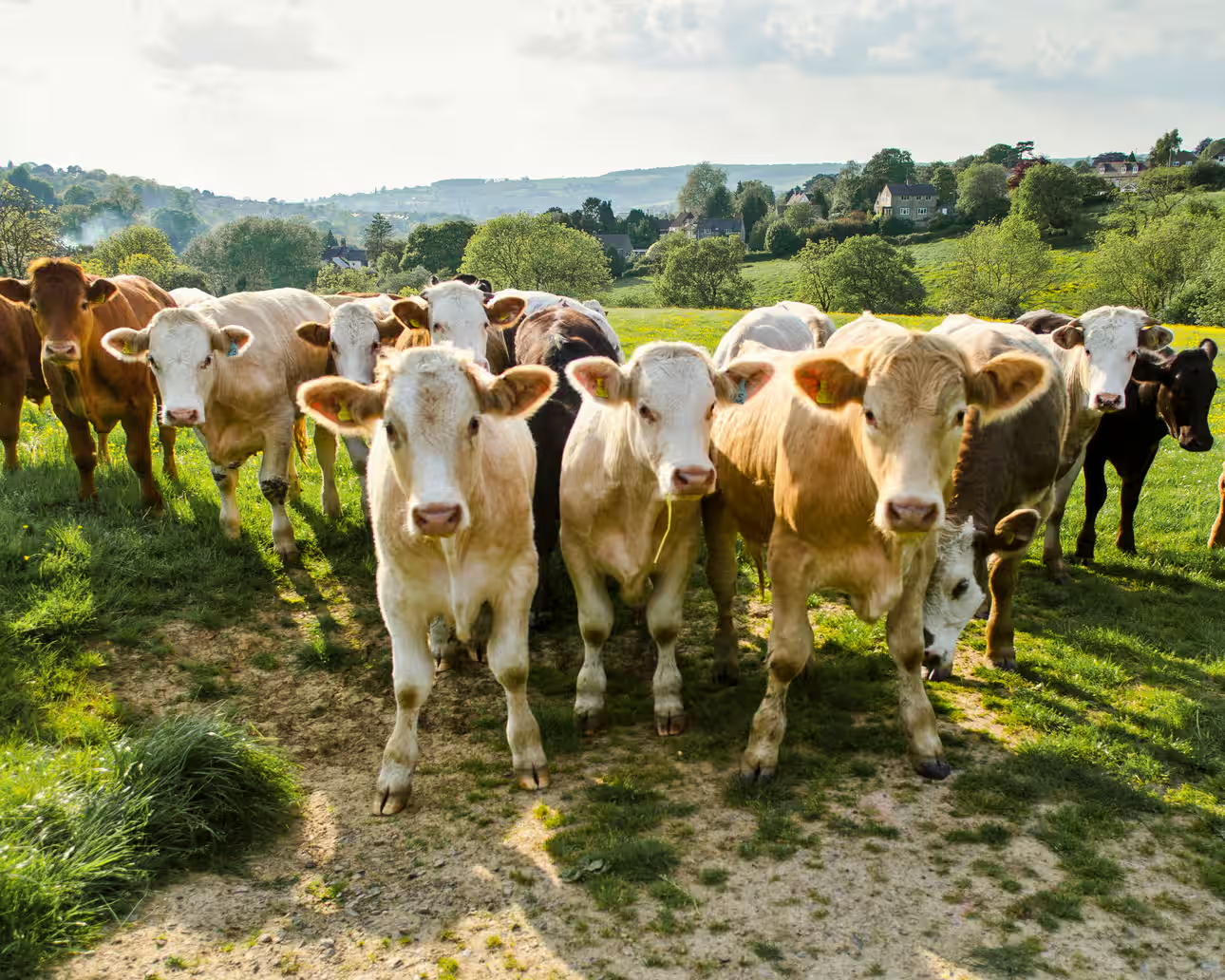
Dairy farming is facing a growing threat from the intensifying and more frequent heatwaves caused by global warming. A recent study analyzing data from over 130,000 cows across 12 years has revealed that extreme heat significantly lowers milk production, potentially disrupting the livelihoods of millions who depend on dairy farming worldwide.


I. Heatwaves Directly Impact Milk Yields
1. Milk Production Drops During High Heat
The study found that when cows are exposed to wet-bulb temperatures—factoring in both heat and humidity—above 26°C for just one hour, their daily milk output declines by 0.5%. Overall, extreme heat events can reduce milk production by as much as 10%.


2. Lingering Effects of Heat Exposure
Even after the temperature subsides, the impact on milk yield continues. Researchers observed that production levels can remain below normal for up to 10 days following a single day of extreme heat.
II. Projected Long-Term Effects by 2050
1. Forecasts Show a 4% Average Decline
Based on climate projections for 2050, average daily milk production may decline by 4% globally due to intensified heat stress. This reduction poses serious concerns for the approximately 150 million households that rely on dairy farming for income and nutrition.
2. South Asia Faces the Greatest Risk
South Asia, projected to contribute over half of global dairy growth in the next decade, is especially vulnerable. Continued fossil fuel emissions are expected to make the region increasingly prone to severe heatwaves, putting further pressure on dairy production.

III. Methane Emissions and the Climate Feedback Loop
1. Cattle’s Role in Methane Emissions
Cows are also significant contributors to climate change themselves, responsible for nearly one-third of methane emissions caused by human activities. Methane, like carbon dioxide, accelerates global temperature increases, creating a feedback loop that worsens heat stress.
IV. Current and Future Adaptation Strategies
1. Cooling Measures Already in Use
In places like Israel—where the study was conducted—farmers already employ various cooling techniques, such as providing shade, using fans, and spraying cattle with water. These measures aim to lessen the impact of high temperatures on cows.
2. Limitations of Existing Solutions
However, the researchers found that even with these efforts, current cooling strategies only mitigated about 40% of the negative impact when temperatures exceeded 24°C. This underscores the limited effectiveness of existing methods under extreme heat.
3. Need for Broader Welfare-Focused Approaches
Lead researcher Claire Palandri, writing in Science Advances, emphasized the importance of going beyond cooling. She urged policymakers to address other stress factors like confinement and early calf separation, which can make cows more vulnerable to heat and reduce their ability to recover.
Conclusion
As climate change intensifies, the global dairy industry faces growing risks, particularly in already heat-prone regions like South Asia. While technological solutions offer some relief, they are not enough on their own. A more holistic approach—one that includes improving animal welfare and reducing environmental stressors—is essential for building resilience in dairy farming and safeguarding future milk supplies.








