






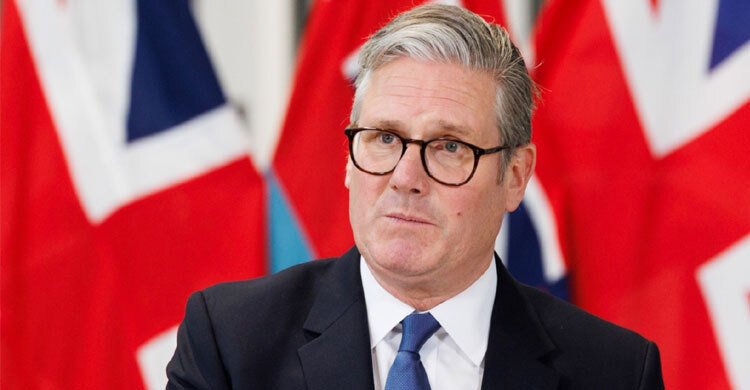


The recent United States airstrikes on Iranian nuclear facilities have sparked global concern and increased the urgency for diplomatic resolution. UK Prime Minister Sir Keir Starmer held a direct conversation with US President Donald Trump following the attacks, emphasizing the need to bring Iran back to the negotiating table. Though the UK did not participate in the military action, the Prime Minister reiterated the nation’s stance against Iran acquiring nuclear weapons. With world leaders urging de-escalation, attention is now fixed on whether diplomacy can defuse a potentially volatile international situation.
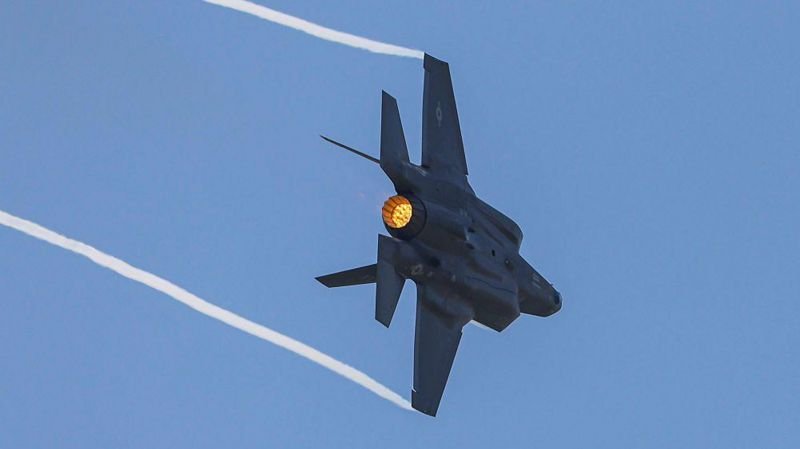

I. The U.S. Airstrikes and Global Reaction
1. Strikes on Iranian Nuclear Sites
Over the weekend, the U.S. military launched targeted strikes on three major Iranian nuclear facilities: Natanz, Isfahan, and Fordo. U.S. Defense Secretary Pete Hegseth claimed the operation severely damaged Iran’s nuclear infrastructure. The strikes involved B-2 stealth bombers flying directly from Missouri, highlighting the strategic significance of the action. No radiation leaks were reported, according to the International Atomic Energy Agency (IAEA), but the situation remains tense.
2. Iran’s Response and International Concerns
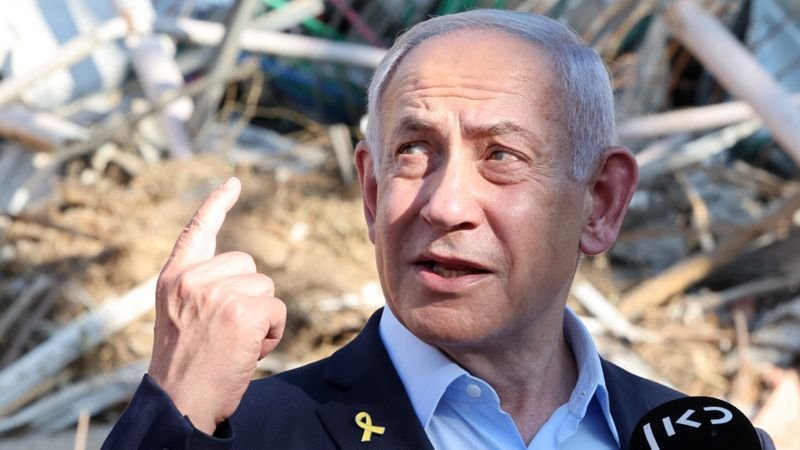
Iran’s Foreign Minister Seyed Abbas Araghchi condemned the strikes as “outrageous,” warning that they would carry “everlasting consequences.” Meanwhile, Iran’s ambassador to the UK insisted the nation’s nuclear programme remains peaceful and framed the enrichment of uranium to 60% as part of research and development. However, the IAEA’s latest report raised alarms, stating Iran had amassed enough enriched uranium to potentially produce nine nuclear weapons—an assertion met with serious concern by global leaders.
II. UK’s Position and Diplomatic Engagement
1. Starmer’s Emphasis on Stability
Prime Minister Starmer, speaking from his official residence at Chequers, reaffirmed the UK’s commitment to preventing Iran from acquiring nuclear weapons. He acknowledged that escalation poses a threat not only to the Middle East but also to broader international security. Starmer chaired an emergency Cobra meeting and engaged in calls with France’s President Emmanuel Macron and Germany’s Chancellor Friedrich Merz, urging Iran to avoid actions that could worsen the regional crisis.
2. Urging a Diplomatic Solution
Foreign Secretary David Lammy confirmed discussions with officials from both Iran and Israel, pushing for dialogue over conflict. Lammy, along with European leaders, urged all parties to return to negotiations and avoid further escalation. He stressed that diplomacy remains the UK’s preferred path forward, despite the provocative nature of recent events.
3. Parliamentary and Security Responses
Business Secretary Jonathan Reynolds echoed these sentiments during a BBC interview, stating that Iran presents a direct, not hypothetical, threat to the UK. He underscored the importance of preventing Iran from obtaining nuclear weapons while also clarifying that the UK did not endorse the U.S. strikes outright. The UK has moved military assets to the region to safeguard national interests, and military personnel have been placed on the highest level of alert.
III. Broader Geopolitical and Security Implications
1. The Threat of a Wider Conflict
The escalation comes amidst ongoing tensions between Israel and Iran. Israel had conducted strikes on Iranian military facilities days earlier, prompting retaliatory fire. Although Israel did not have prior knowledge of the U.S. operation, Israeli President Isaac Herzog noted the significance of the damage dealt to Iran’s nuclear program.
The United Nations Secretary-General António Guterres labeled the strikes a “dangerous escalation,” voicing fears that the conflict could quickly expand beyond regional boundaries if not contained.
2. Impact on Global Diplomacy and Civilian Safety
The UK’s Foreign, Commonwealth and Development Office (FCDO) issued travel warnings for Israel, the Occupied Palestinian Territories, and Iran. Plans have been made to evacuate vulnerable British nationals from Tel Aviv, depending on airspace availability. Meanwhile, British Airways has suspended flights to Dubai and Doha in response to the increasing instability, adjusting its schedules to prioritize safety for passengers and crew.
3. Domestic Security Challenges
The head of MI5 previously reported that Iran had been linked to at least 20 plots in the UK since 2022, many of which posed life-threatening risks. This pattern of behavior contributes to the UK’s cautious yet firm stance on preventing nuclear proliferation and maintaining domestic security in the face of foreign threats.
IV. Political Reactions and Public Messaging
1. Party Leaders Speak Out
Opposition and coalition leaders in the UK have responded to the developments with a mix of caution and support for diplomatic measures. Conservative leader Kemi Badenoch called the U.S. strikes a “decisive action” against a regime that endangers global safety and directly threatens the UK. Liberal Democrat leader Ed Davey, on the other hand, stressed the importance of pursuing de-escalation through diplomatic channels.
2. UK’s International Outreach
Prime Minister Starmer and Foreign Secretary Lammy have actively engaged with global partners to coordinate a unified response. Lammy’s visit to Washington included meetings with Secretary of State Marco Rubio and U.S. Special Envoy Steve Witkoff. He also joined other European delegates in Geneva for direct discussions with Iranian officials—a signal that the UK is committed to multilateral diplomacy in resolving this crisis.
Conclusion
The recent U.S. airstrikes on Iran’s nuclear facilities have triggered a cascade of political and security responses across the globe. With Iran vowing retaliation and regional powers closely monitoring the fallout, the potential for further escalation remains a genuine concern. UK Prime Minister Keir Starmer has emphasized the need for diplomatic solutions, engaging with world leaders to promote stability and safeguard international security.
While military deterrence has been used by the United States to degrade Iran’s nuclear capability, the path forward demands renewed commitment to negotiation. The UK, standing firm in its belief that Iran must not possess nuclear weapons, continues to advocate for dialogue over confrontation. In these uncertain times, coordinated diplomatic efforts remain the world’s best hope for avoiding a broader conflict and fostering long-term peace in the Middle East.