







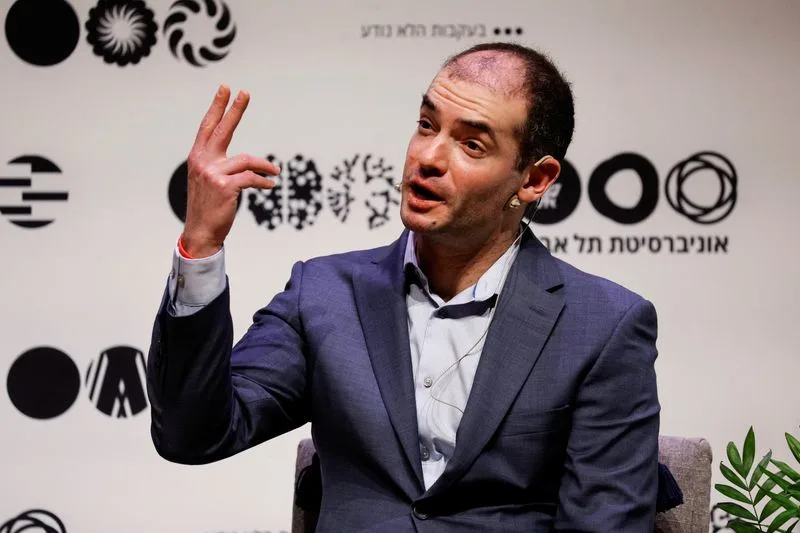


The competitive landscape of artificial intelligence has intensified once again as Ilya Sutskever, a prominent figure in the AI world, steps in as the sole leader of Safe Superintelligence (SSI), the startup he co-founded in 2023. This leadership change comes after the departure of Daniel Gross, who has joined Meta Platforms to head its AI products division. The development highlights the escalating war for top-tier AI talent, with tech giants like Meta offering massive compensation packages and acquisition deals to stay ahead in the race for superintelligent systems.

I. Shifts in Leadership at Safe Superintelligence
1. Gross Leaves SSI for Meta’s AI Division
Daniel Gross, who had served as the CEO of Safe Superintelligence, has exited the startup to join Meta Platforms, where he will lead the company’s AI product initiatives, according to sources familiar with the matter. This move underscores the increasing competition among Big Tech firms to secure influential figures in artificial intelligence—often luring them with strategic roles and substantial financial offers.
Gross’s departure marks a pivotal moment for SSI, which has been positioning itself as a leader in the development of safe, highly advanced AI systems.
2. Sutskever Reclaims Operational Control
With Gross stepping down, Ilya Sutskever has assumed full responsibility for the operations and direction of SSI. A respected AI researcher and co-founder of OpenAI, Sutskever had initially taken a more scientific role at SSI but is now steering the company’s broader mission to build superintelligent systems that surpass human capabilities—safely and ethically.
In a recent post on X (formerly Twitter), Sutskever addressed ongoing rumors of acquisition interest in SSI. “You might have heard rumors of companies looking to acquire us. We are flattered by their attention but are focused on seeing our work through,” he wrote, reaffirming the company’s independence.
II. Meta’s Growing Appetite for AI Dominance
1. Zuckerberg Restructures Meta’s AI Strategy
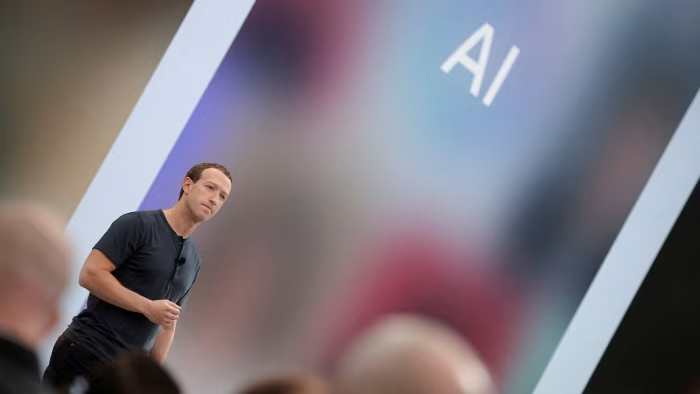
Meta Platforms, under CEO Mark Zuckerberg, has significantly revamped its AI development efforts in response to recent setbacks, including challenges with its Llama 4 model and the loss of key personnel. As part of this realignment, the company has launched Meta Superintelligence Labs—a dedicated division intended to consolidate and intensify its pursuit of next-generation AI systems.
This division will be led by former Scale AI CEO Alexandr Wang and Nat Friedman, ex-CEO of GitHub. Their appointment signals Meta’s serious commitment to building a competitive advantage in AI infrastructure.
2. Meta’s $14.3 Billion Bet on Scale and Leadership
Meta has also invested heavily in acquiring and recruiting leadership with proven track records. The company committed $14.3 billion to Scale AI and has aggressively sought out top minds, including attempting to recruit Sutskever and even offering to acquire SSI, which is currently valued at $32 billion.
While those efforts were ultimately rebuffed, Meta has succeeded in attracting other prominent names, including Gross—furthering its objective of assembling a top-tier AI leadership team.
3. Ties Between Gross and Friedman Run Deep
Gross’s alignment with Friedman at Meta is a continuation of their long-standing partnership. The two co-founded the venture capital firm NFDG, an acronym formed from their initials, which has funded influential startups such as Perplexity, Figma, and SSI itself.
Meta has reportedly extended an offer to purchase a minority interest in NFDG’s investment vehicles through a tender offer to existing limited partners, illustrating the company’s strategy to deepen its influence in the venture ecosystem backing cutting-edge AI companies.
III. The Competitive Landscape in AI Talent and Startups
1. Tech Giants Battle for Visionaries
The AI sector is undergoing a major transformation, with major players like Meta, Apple, and others actively pursuing high-profile figures with proven expertise in developing advanced algorithms and scalable infrastructure.
Multi-million-dollar compensation packages, equity stakes, and leadership roles are now standard incentives used to lure individuals like Gross and Sutskever, who have built reputations as visionaries in the field.
2. Apple’s Historical Ties to Gross
Before joining SSI, Daniel Gross was already a significant figure in Silicon Valley’s AI ecosystem. His startup, Cue, which specialized in predictive search and machine learning, was acquired by Apple in 2013. Following the acquisition, Gross served as a director at Apple, leading its AI and machine learning initiatives—experience that made him a highly desirable candidate for Meta’s AI ambitions.
3. Valuation and Ambitions of Safe Superintelligence
Safe Superintelligence raised $1 billion in cash during its founding year, a testament to investor confidence in Sutskever and Gross’s vision. The startup’s mission is to develop AI systems that can safely exceed human intelligence—an area that demands both technical brilliance and careful ethical consideration.
The company’s $32 billion valuation places it among the most valuable AI startups in the world, despite its relatively short existence. This reflects the high stakes and intense interest surrounding superintelligence as the next frontier in artificial intelligence.
IV. Industry Reactions and Strategic Implications
1. Sutskever’s Departure from OpenAI Still Looms Large
Ilya Sutskever’s return to a central leadership role at SSI comes less than a year after he departed OpenAI, a company he co-founded. His exit followed a highly publicized internal conflict involving the abrupt firing and subsequent rehiring of CEO Sam Altman in late 2023. Though Sutskever was once a central figure at OpenAI, the events leading to his departure left him free to pursue his own vision more independently.
Now at the helm of SSI, Sutskever is doubling down on his belief that artificial superintelligence must be developed with a clear and unwavering focus on safety.
2. Meta’s AI Consolidation: A Sign of Urgency
Meta’s aggressive moves in the AI space reflect a sense of urgency. Having encountered issues with earlier AI models and public scrutiny over misinformation and content moderation, the company is now seeking a more unified and technically sound approach to its AI roadmap.
The creation of Meta Superintelligence Labs and the addition of proven leaders suggest that the company is no longer content to lag behind rivals like OpenAI and Anthropic.
3. The Broader Implications for AI Governance
As AI systems grow more powerful and autonomous, questions around safety, transparency, and accountability are becoming increasingly urgent. SSI’s focus on safe superintelligence stands in contrast to the “move fast” ethos that has characterized much of Silicon Valley’s past innovation cycles.
Sutskever’s leadership may set a precedent for AI companies to prioritize long-term consequences and responsible development—even as competitors race ahead in deployment.
Conclusion
The leadership transition at Safe Superintelligence and the strategic shifts at Meta illustrate the high-stakes nature of today’s AI landscape. With Ilya Sutskever now fully in charge, SSI appears determined to continue its pursuit of building superintelligent systems that are both powerful and safe. Meanwhile, Daniel Gross’s move to Meta reinforces the company’s intention to consolidate its AI resources and talent to remain competitive in this fast-moving sector.
The clash between mission-driven startups like SSI and aggressive corporate behemoths like Meta highlights a broader tension shaping the future of artificial intelligence—one between ethical stewardship and rapid commercial expansion. In a space where talent is as valuable as technology, the choices of individuals like Sutskever and Gross are redefining what’s possible—and what’s permissible—in the race to superintelligence.








