








In the digital age, misinformation and disinformation have become among the most potent threats to the health and resilience of global democracies. What once required sophisticated propaganda machines or covert intelligence operations can now be achieved through a single viral post, a bot-powered campaign, or a deepfake video that spreads within seconds across platforms. The democratization of information—once hailed as a force for good—has also democratized deception.

Today, the growing threat of online lies poses not only a challenge to public knowledge but also a profound danger to political stability, public trust, and the fundamental workings of democratic societies. This article explores how misinformation and disinformation proliferate online, why they are so effective, and what their impact has been across democratic systems worldwide.
Understanding the Ecosystem of Online Falsehoods
1. Definitions Matter: Misinformation vs. Disinformation
Before diving deeper, it’s essential to distinguish between misinformation and disinformation:
-
Misinformation refers to false or misleading information shared without the intent to deceive. For example, a family member sharing a fake cure for COVID-19 believing it to be true.
-
Disinformation is deliberately false information shared with the intent to mislead or manipulate, often driven by political, ideological, or financial motives.
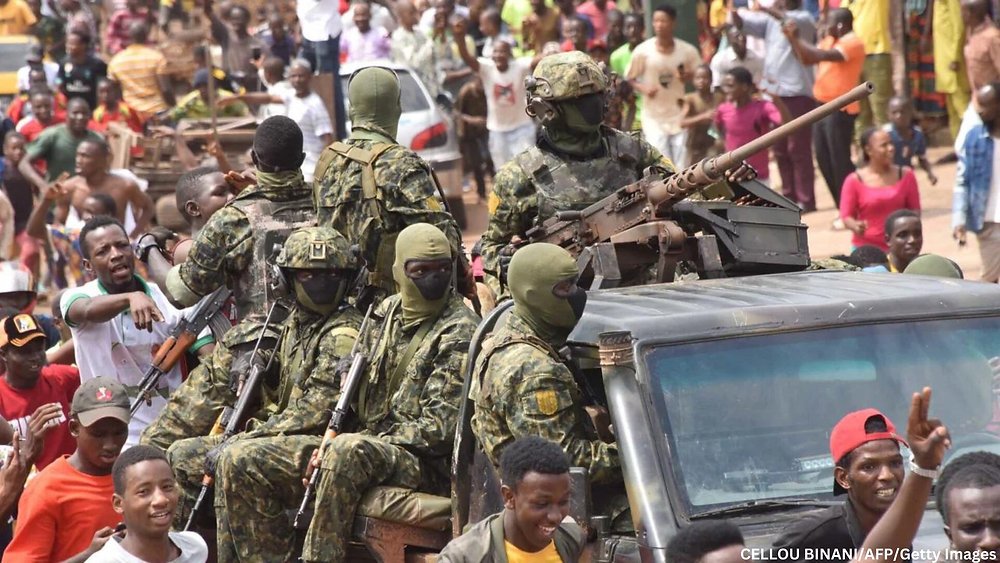
Both types of falsehoods flourish online, but disinformation—especially state-sponsored or coordinated—can be more destructive due to its calculated objectives.
2. Why Lies Spread Faster Than Truth
Several cognitive and technological factors make lies particularly viral in the digital environment:
-
Cognitive biases: People are more likely to believe information that confirms their preexisting beliefs (confirmation bias).
-
Emotional triggers: Sensational or fear-inducing content gets shared more often than neutral, factual content.
-
Algorithms: Social media platforms prioritize engagement, often promoting content that is provocative or polarizing.
-
Echo chambers and filter bubbles: Users are increasingly exposed to homogenous viewpoints, reinforcing false narratives.
This environment gives falsehoods an inherent advantage in visibility and velocity.
Case Studies: Online Lies Disrupting Democracy
1. The 2016 U.S. Presidential Election
Perhaps the most studied instance of online disinformation’s political impact, the 2016 U.S. election was marked by:
-
Russian interference through troll farms and fake social media accounts,
-
The spread of fake news stories (e.g., “Pizzagate”),
-
Microtargeted ads designed to sow division among voters.
Multiple investigations concluded that coordinated disinformation efforts reached tens of millions of Americans, influencing political perceptions and deepening partisan divides.
2. Brazil’s 2018 and 2022 Elections
In Brazil, WhatsApp and other messaging platforms became primary vehicles for spreading:
-
False information about candidates,
-
Fake crime statistics,
-
Conspiracies about voting machines.
Disinformation was used both to attack opponents and to delegitimize electoral outcomes, undermining confidence in democratic processes.
3. India’s Communal Tensions
In India, disinformation campaigns have stoked communal violence, particularly:
-
Fake videos portraying fabricated crimes by minorities,
-
Misleading historical narratives,
-
Politically motivated hoaxes.
Social media in India has become a double-edged sword: a tool for democratic expression but also a breeding ground for dangerous lies.
4. Myanmar’s Ethnic Cleansing of the Rohingya
A tragic example of disinformation fueling violence, Myanmar’s military and ultranationalists used Facebook to:
-
Dehumanize the Rohingya population,
-
Spread hate speech and fake narratives,
-
Justify state-led violence and mass displacement.
UN investigators later cited Facebook as playing a “determining role” in the genocide narrative.
How Online Lies Erode Democratic Institutions
1. Undermining Trust in Elections
When citizens are inundated with false claims about:
-
Election fraud,
-
Biased electoral commissions,
-
Rigged voting machines,
they lose trust in democratic outcomes. This erosion of electoral legitimacy can lead to:
-
Mass protests,
-
Violence,
-
Refusal to accept peaceful transitions of power.
In democracies like the U.S., Brazil, and Kenya, election-related lies have resulted in direct attacks on democratic institutions.
2. Delegitimizing Independent Media
Disinformation often includes attacks on credible media outlets, labeling them as:
-
“Fake news,”
-
Agents of foreign interests,
-
Elitist or unpatriotic.
This weakens journalism’s role as a public watchdog and allows disinformation to fill the void left by declining trust in traditional sources.
3. Weaponizing Public Opinion
Bad actors—be they foreign governments, political parties, or extremist groups—can manipulate online platforms to:
-
Incite hatred,
-
Polarize the population,
-
Spread conspiracy theories.
This fosters us-versus-them mentalities, erodes social cohesion, and makes consensus-based governance harder to achieve.
4. Attacking Science and Expertise
From COVID-19 misinformation to climate change denial, online falsehoods have attacked science with devastating effects. The erosion of trust in expertise leads to:
-
Poor public health outcomes,
-
Delayed action on existential threats,
-
Anti-intellectualism and populism.
The Role of Technology and Platforms
1. The Amplification Problem
Tech platforms like Facebook, Twitter (now X), YouTube, and TikTok have been instrumental in spreading online lies. Their algorithms:
-
Reward emotional and controversial content,
-
Provide limited transparency on content moderation,
-
Allow rapid dissemination without verifying sources.
Even after flagging false content, the “damage” is often already done, as lies tend to reach wider audiences before fact-checks appear.
2. Monetization of Lies
Clickbait headlines, conspiracy-laden videos, and sensational misinformation often generate high engagement, which translates into ad revenue. This creates perverse incentives for:
-
Fake news websites,
-
Social media influencers,
-
Even mainstream outlets chasing clicks.
3. Inadequate Regulation
Few countries have comprehensive laws to tackle disinformation effectively, and tech platforms often operate across jurisdictions. Challenges include:
-
Balancing free speech with regulation,
-
Determining who is responsible for harmful content,
-
Managing cross-border disinformation operations.
Global Responses and Mitigation Efforts
1. Fact-Checking and Media Literacy
Many governments and NGOs have promoted:
-
Fact-checking organizations (e.g., Snopes, Africa Check, Alt News),
-
Public awareness campaigns,
-
School-based media literacy programs.
Though useful, these approaches often struggle to keep pace with the volume and speed of lies online.
2. Platform Accountability
After years of criticism, some platforms have taken steps to:
-
Label or remove disinformation,
-
Limit virality (e.g., WhatsApp limiting forwards),
-
Ban repeat offenders.
However, enforcement remains inconsistent, and political will often lags behind the technical capability to act.
3. International Cooperation
Initiatives like:
-
The Christchurch Call (against online extremism),
-
The EU’s Digital Services Act,
-
The G7’s task force on disinformation
have attempted to promote shared norms. Yet, geopolitical divides often stymie a truly global approach.
The Future Outlook: What Is at Stake
1. AI and Deepfakes
The rise of AI-generated content adds a new layer of complexity. Deepfake videos and synthetic audio can:
-
Fabricate speeches or confessions,
-
Simulate violence or actions never taken,
-
Undermine reality itself.
As technology improves, detecting falsehoods becomes harder, potentially making democratic discourse indistinguishable from fiction.
2. Authoritarian Exploitation
Autocratic regimes have increasingly used disinformation as a tool to:
-
Weaken rival democracies,
-
Control narratives domestically,
-
Justify censorship.
The paradox is that democracies’ openness makes them more vulnerable to manipulation by closed systems.
3. Erosion of Shared Reality
Perhaps the most insidious threat of online lies is that they erode a shared understanding of truth. In such an environment:
-
Citizens cannot agree on basic facts,
-
Debate becomes unproductive,
-
Democracy, which relies on informed consent and rational discourse, breaks down.
Conclusion: Preserving Truth in the Digital Age
Democracies were not designed for an era where everyone is a broadcaster, algorithms shape perception, and lies can travel faster than facts. Yet, the values of democracy—transparency, pluralism, accountability—can still prevail if societies take this challenge seriously.
This means:
-
Holding platforms accountable,
-
Empowering citizens through education,
-
Supporting quality journalism,
-
Building coalitions across borders to counter disinformation campaigns.
The battle for democracy is increasingly a battle for truth. In a world where information is power, ensuring its integrity is essential for the survival of free and open societies.