







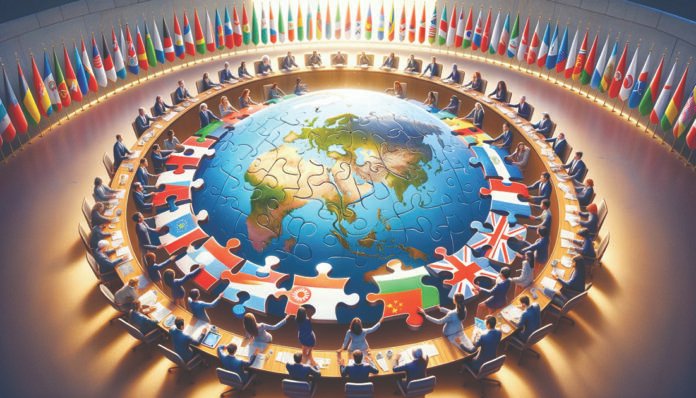


In the rapidly evolving landscape of international relations, the traditional balance of global power is undergoing a significant transformation. For decades, the post-World War II order—especially following the Cold War—was marked by unipolar dominance, with the United States standing as the uncontested leader on the world stage. However, that era is increasingly being replaced by a multipolar reality, where no single nation holds absolute sway. Instead, influence is distributed among several rising powers, each exerting regional and even global clout in unique ways. This shift toward multipolarity is redefining how global influence is structured, negotiated, and projected.

Understanding Multipolarity
Multipolarity refers to an international system in which power is distributed across multiple states or power centers, rather than concentrated in the hands of one (unipolar) or two (bipolar) superpowers. In a multipolar world, several countries have comparable capabilities in terms of military strength, economic influence, technological innovation, and diplomatic reach.
Unlike unipolarity, which fosters a hierarchical global order, or bipolarity, which is characterized by ideological competition (as seen during the Cold War), multipolarity creates a more decentralized and fluid power structure. In such a system, global dynamics become more complex, with multiple actors shaping regional agendas, forming strategic partnerships, and competing for influence in a range of domains.
The Decline of Unipolar Dominance
The decline of unipolarity began to accelerate in the early 21st century. Although the United States remained a powerful actor, several factors contributed to a relative erosion of its dominance:
-
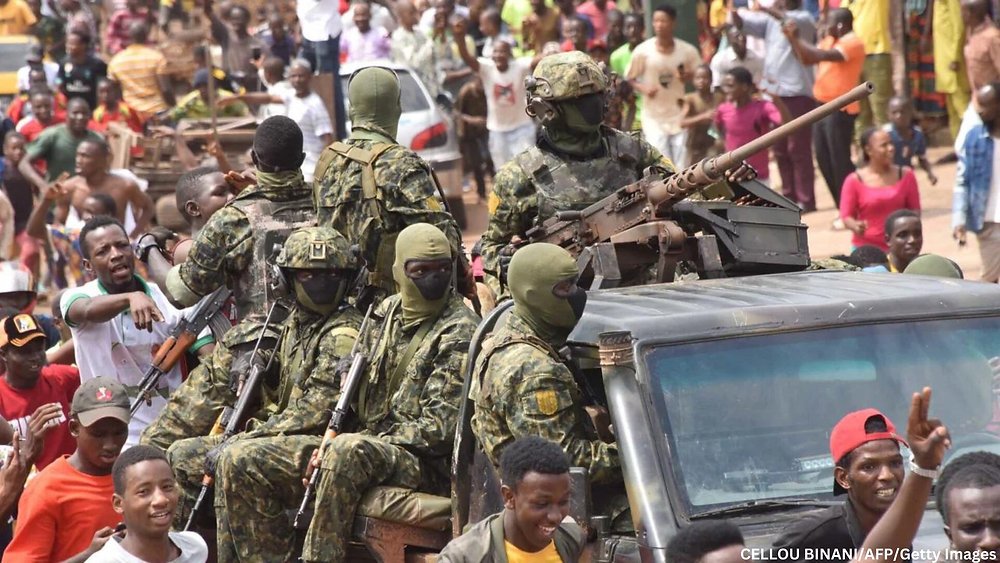
Military Overreach: The prolonged wars in Iraq and Afghanistan drained resources and undermined U.S. moral authority, sparking domestic and global skepticism about interventionism.
-
Economic Shifts: The 2008 global financial crisis exposed vulnerabilities in Western-led financial systems. At the same time, emerging economies, especially in Asia, experienced rapid growth.
-
Technological Democratization: Innovation became less centralized, with other countries developing competitive capabilities in artificial intelligence, space exploration, and cybersecurity.
-
Political Fragmentation: Increasing polarization and inward-looking policies in the West weakened the cohesion of traditional alliances such as NATO and the G7.
These trends created space for other actors to rise and assert their influence, both regionally and globally.
Emerging Centers of Power
1. China
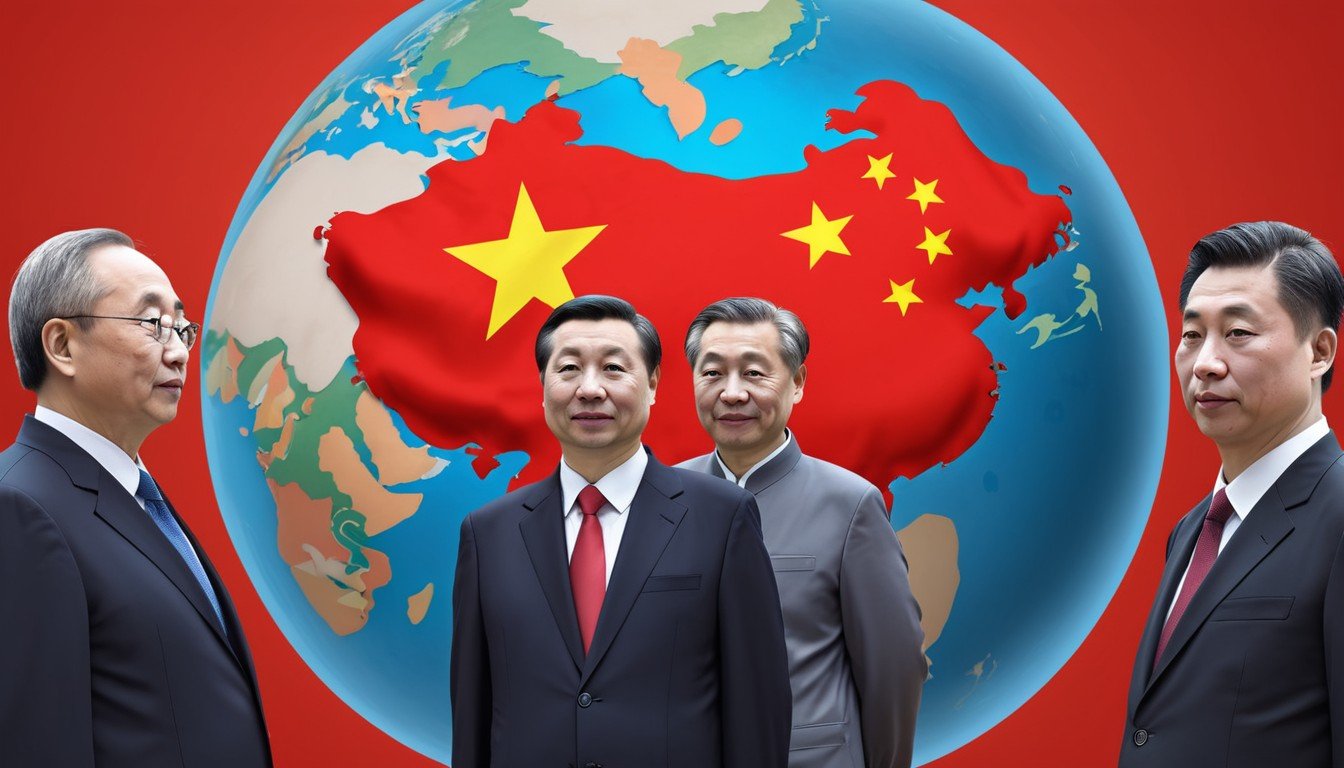
China has arguably been the most consequential challenger to U.S. hegemony. With sustained double-digit economic growth for much of the last four decades, China has become the world’s second-largest economy. Its Belt and Road Initiative (BRI) stretches across Asia, Africa, and Europe, offering infrastructure investments in exchange for strategic access and influence.
Beijing is also modernizing its military, investing heavily in space technology, and becoming a global leader in areas such as 5G, electric vehicles, and renewable energy. China’s vision of global governance—emphasizing sovereignty, non-interference, and developmental pragmatism—presents a serious alternative to liberal democratic models.
2. India
With a population exceeding 1.4 billion and a rapidly growing economy, India is becoming a vital node in the global power network. It maintains strategic autonomy by balancing relationships with the West, Russia, and neighboring Asian powers. India’s strength lies in its technology sector, space program, and robust democratic institutions. As a member of various multilateral forums—such as BRICS, QUAD, and G20—India seeks to amplify its voice on issues ranging from climate change to global health governance.
3. Russia
Despite economic sanctions and demographic challenges, Russia remains a formidable power, particularly in military and energy terms. Its influence is projected through strategic interventions, cyber capabilities, and alliances with countries disillusioned by the West. Moscow is working to reassert itself as a central actor in global affairs, especially in Eurasia and the Middle East.
4. European Union
Though not a single nation, the EU collectively wields significant economic and regulatory influence. Its “soft power” approach—centered on trade, diplomacy, human rights, and environmental leadership—allows it to shape global norms. However, internal divisions, Brexit, and security dependencies limit its geopolitical assertiveness.
5. Other Regional Powers
Countries like Brazil, Turkey, South Africa, Indonesia, and Saudi Arabia are increasingly relevant players. Each brings unique strengths and aspirations, contributing to the fragmentation of traditional global structures. These middle powers often serve as swing actors in multilateral negotiations and regional security arrangements.
The Redefinition of Influence
In this new environment, influence is no longer measured solely by military strength or economic size. It is increasingly multifaceted, encompassing:
1. Technological Power
Artificial intelligence, quantum computing, biotechnology, and clean energy are redefining how power is wielded. Nations that lead in these sectors can shape global standards, data governance, and the digital economy. For example, China and the U.S. are locked in a technological arms race, while Europe is attempting to carve out a “third way” with digital sovereignty initiatives.
2. Cultural and Ideological Appeal
Soft power—defined by the ability to attract and persuade rather than coerce—is becoming more important. K-pop, Bollywood, and African digital culture are global phenomena, challenging the Western monopoly on cultural influence. Competing political models—authoritarian capitalism, social democracy, and hybrid systems—are also being tested globally.
3. Economic Alliances and Trade Blocs
With the WTO’s relevance in question, countries are forging new trade alliances. The Regional Comprehensive Economic Partnership (RCEP), the African Continental Free Trade Area (AfCFTA), and bilateral digital economy agreements are reshaping the rules of commerce and cooperation.
4. Global Crisis Leadership
The COVID-19 pandemic, climate emergencies, and food insecurity have revealed gaps in leadership and coordination. Countries that respond effectively, provide aid, or innovate in vaccine production and climate tech can gain considerable goodwill and strategic advantage.
Multipolarity in Practice: Complex Alliances
One of the defining features of multipolarity is the fluidity of international alliances. Unlike Cold War-era blocs, today’s partnerships are often transactional, issue-based, and temporary.
-
India is a member of both BRICS (with Russia and China) and the QUAD (with the U.S., Japan, and Australia).
-
Turkey, a NATO member, also buys weapons from Russia and pursues independent policies in Syria and the Caucasus.
-
African nations balance investments from China with development assistance from Western donors.
This complexity requires new diplomatic approaches that are agile, pragmatic, and multilayered.
The Role of Multilateral Institutions
Global governance structures, such as the United Nations, IMF, and World Bank, were designed in a different era. As new powers demand a seat at the table, these institutions face a crisis of legitimacy and relevance.
Reforms are being proposed to:
-
Expand permanent membership in the UN Security Council.
-
Adjust voting quotas in financial institutions to reflect current economic realities.
-
Create new platforms for emerging technologies, cyber governance, and global health security.
However, progress remains slow, often hindered by entrenched interests and ideological divides.
Risks and Challenges of a Multipolar World
While multipolarity can promote diversity and decentralized problem-solving, it also introduces new risks:
-
Strategic Rivalries: The absence of a clear global leader can lead to competition and mistrust, increasing the risk of conflict in flashpoints like the Taiwan Strait, South China Sea, or Eastern Europe.
-
Fragmentation: Competing standards, currencies, and institutions can lead to fragmentation in global systems, complicating trade, finance, and cooperation.
-
Weak Crisis Response: In a decentralized system, collective action is more difficult. Climate change, pandemics, and global terrorism require unified responses, which are harder to achieve in a multipolar setup.
-
Information Wars and Cyber Threats: The digital age introduces new forms of power, including misinformation campaigns, cyberattacks, and data manipulation. These tools are accessible to both state and non-state actors.
Opportunities for Collaboration
Despite the risks, multipolarity also presents opportunities for a more equitable and inclusive global order:
-
Diverse Leadership: More voices at the table can lead to policies that reflect broader interests, especially from the Global South.
-
Checks and Balances: The diffusion of power prevents unilateral action and encourages negotiation and compromise.
-
Innovation in Governance: The pressure to adapt can lead to more agile, adaptive, and decentralized models of cooperation.
Conclusion: Navigating a New Global Reality
The rise of multipolar power is not a temporary phase—it is the new norm. As global influence becomes more diffuse, the world must learn to operate within a framework that is less predictable but potentially more inclusive. Success in this environment depends on the ability to build coalitions, adapt to complexity, and recognize that leadership today is earned through collaboration rather than domination.
The future of international relations will not be shaped by one or two superpowers, but by how well a diverse set of actors—state and non-state—can come together to address the collective challenges of our time. In that sense, multipolarity is not just a change in power dynamics; it is a redefinition of what power truly means in the 21st century.








