









In a striking moment of diplomacy and war strategy, Israeli Prime Minister Benjamin Netanyahu addressed the world not in Hebrew, but in English, delivering a message filled with praise for U.S. President Donald Trump. This rare rhetorical choice came on the heels of U.S. airstrikes that targeted key Iranian nuclear sites—an action Netanyahu had long advocated. As tensions escalate across the Middle East, Netanyahu’s endorsement of American military involvement underscores how this latest development could shift the dynamics of a conflict that has lingered for years.

I. Netanyahu’s Message to the World
1. A Personal and Political Victory
Netanyahu’s address reflected more than strategic coordination—it marked the culmination of years spent lobbying U.S. administrations to take military action against Iran’s nuclear program. For over a decade, he has voiced urgent warnings about Iran’s nuclear ambitions and emphasized that only a decisive strike, led by the United States, could neutralize the threat.
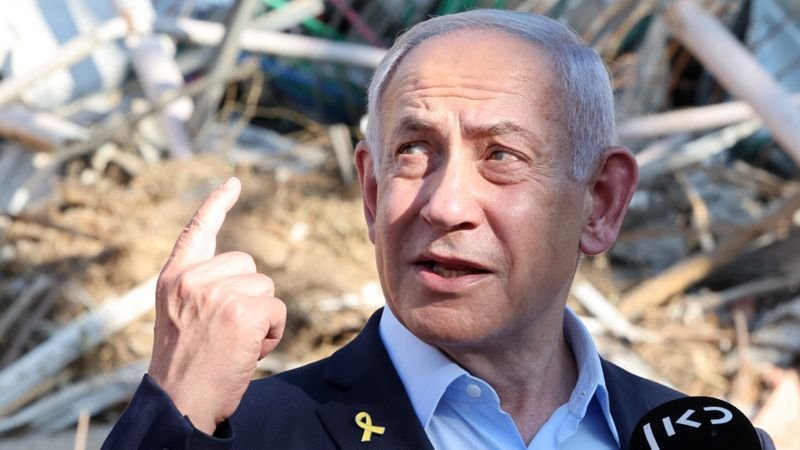
In his speech, the Israeli leader commended Trump for making a historic decision that, in Netanyahu’s words, could “change history.” He celebrated what he saw as a triumph of diplomacy, persuasion, and military necessity—an act that many thought Trump, with his anti-war campaign pledges, would never authorize.
2. The Longstanding Disagreement Over Intelligence
Netanyahu’s persistent claims about the immediacy of the Iranian nuclear threat have often been met with skepticism in Washington. U.S. intelligence agencies have previously expressed doubts about how soon Iran could build a nuclear weapon—or whether it had even made the political decision to do so. Despite these differences, Netanyahu’s persistence finally influenced policy at the highest level, culminating in the overnight bombing campaign.
II. Military Strategy and Tactical Advantage
1. The Limitations of Israel’s Capabilities
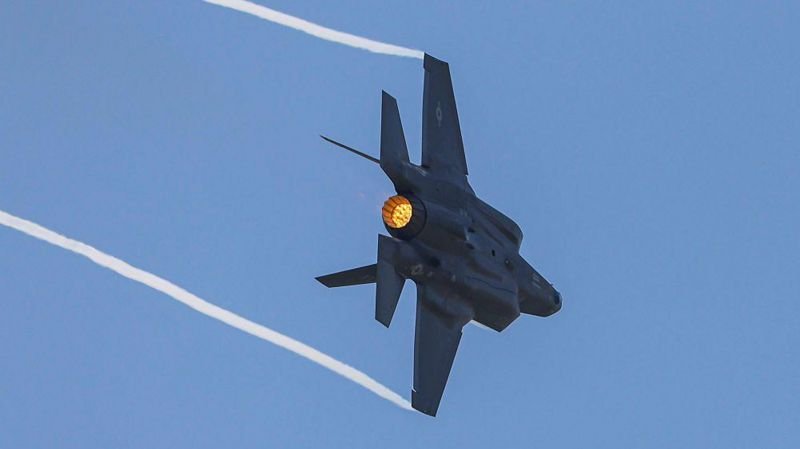
While Israel has always projected an image of military self-sufficiency, it has never denied that the U.S. alone possesses the advanced weaponry needed to penetrate deeply fortified Iranian nuclear sites, especially the Fordo facility, which is buried under a mountain.
The Israeli Air Force has spent years mapping out a comprehensive list of potential Iranian targets. However, without American support, many of the most protected installations would have remained intact, leaving Israel unable to claim a definitive victory.
2. The Aftermath of the U.S. Strikes
According to Israel, the American bombardment effectively disabled the targeted nuclear sites. If verified, this would mark a major milestone for Israel, potentially fulfilling one of its central war aims. Netanyahu may now be in a position to claim success, which could lay the groundwork for a strategic withdrawal or de-escalation.
Nevertheless, Iran has asserted that it had already relocated its nuclear materials, casting doubt on the extent of the operation’s effectiveness. Without this key factor, Israel might have continued its assault on Iran’s broader military and scientific infrastructure, potentially dragging the region into a prolonged war.
III. The Potential for Retaliation and Escalation
1. Iran’s Vow for Retaliation
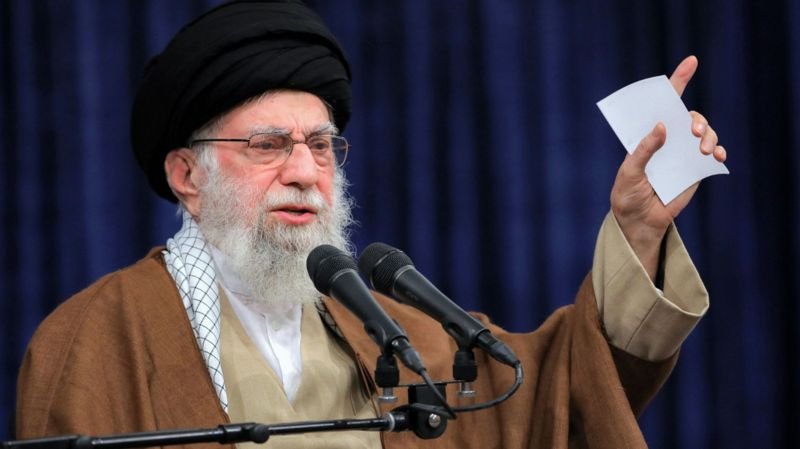
Iran’s Supreme Leader Ayatollah Ali Khamenei had previously warned the U.S. against military intervention, stating that it would result in “irreparable damage.” Now that the strikes have occurred, the focus has shifted to Iran’s next move. Will Tehran retaliate directly, or will it utilize its proxies across the Middle East?
The Houthis in Yemen, strong allies of Iran, had threatened to attack U.S. naval vessels in the Red Sea just days before the strikes. This could foreshadow the type of asymmetric warfare Iran might employ—targeting U.S. interests without provoking a full-scale war.
2. Threats to Global Trade and Energy Markets
If Iran chooses to retaliate aggressively, it could disrupt global oil routes in the Gulf. Attacks on U.S. bases or commercial infrastructure could drive up fuel prices worldwide and trigger broader economic consequences. Even a limited response could severely impact U.S. military personnel, businesses, and citizens across the Middle East.
So far, the U.S. has indicated that its military operation is concluded. Officials have stated that there is no current intention to pursue regime change in Tehran. This restraint might discourage Iran from pursuing large-scale retaliation, but the situation remains volatile.
IV. Historical Parallels and Political Messaging
1. Echoes of 2020: The Soleimani Precedent
The current tension mirrors events in 2020, when the U.S. assassinated Iranian General Qasem Soleimani. At that time, Iran responded with a measured strike on U.S. bases that caused minimal casualties. A similar restrained approach could emerge now, especially if Iran aims to avoid full-scale war while still preserving its regional influence and political credibility.
U.S. President Trump reiterated his 2020 warning, vowing to respond with overwhelming force should Iran retaliate. This creates a delicate balance: Tehran must respond to maintain domestic pride and regional dominance but must do so in a way that avoids provoking another round of U.S. military action.
2. Netanyahu’s Calculated Messaging
By speaking in English and addressing global audiences, Netanyahu sent a clear message to both allies and adversaries: Israel’s strategic patience has paid off, and its long-standing security concerns are now being acted upon by the world’s leading superpower.
His carefully chosen words may also be an attempt to cement political support at home and abroad, signaling that Israel is not acting alone, but with the backing of its most powerful ally.
V. The Road Ahead for Regional Stability
1. U.S. Caution Versus Israeli Resolve
While the U.S. seems eager to avoid further military entanglements, Israel has not ruled out continuing its operations independently. If Netanyahu deems the Iranian nuclear threat unresolved, future Israeli airstrikes could reignite tensions.
Moreover, Iran’s statement that it had already moved its nuclear materials complicates the narrative of a clear-cut victory. As such, the possibility of additional confrontations remains on the table.
2. Diplomatic Openings or Dead Ends?
The coming days are crucial. If Iran opts for a symbolic, low-casualty response, it could pave the way for renewed diplomatic efforts. However, if it chooses a high-impact retaliation—directly or via proxies—the region may spiral into a more dangerous phase.
The U.S. and Israel will need to balance military preparedness with diplomatic outreach, while Iran evaluates the long-term implications of its next move.
Conclusion
The recent U.S. airstrikes on Iran’s nuclear facilities have dramatically shifted the dynamics of the Middle East conflict. For Israeli Prime Minister Benjamin Netanyahu, this moment marks the realization of a strategy he has long pursued—convincing the U.S. to take decisive military action against Iran. While the immediate tactical gains are clear, the broader implications remain uncertain.
Iran’s potential response, whether measured or aggressive, will determine whether this operation leads to a de-escalation or propels the region into further chaos. As the world watches closely, the balance between diplomacy and military strength remains precarious. The coming weeks will reveal whether this was a turning point toward peace or the start of a more dangerous chapter in Middle Eastern geopolitics.








