









The conflict in the occupied West Bank continues to intensify, with recent deadly confrontations further highlighting the volatility in the region. On a recent Wednesday night, three Palestinians were fatally shot in the village of Kafr Malik near Ramallah after dozens of Israeli settlers reportedly launched a violent attack. The incident underscores a growing pattern of settler aggression, backed by an emboldened political climate and often accompanied by military involvement. The situation reflects broader geopolitical tensions, as well as the ongoing suffering of civilians caught in the crossfire.

I. Kafr Malik Attack: A Flashpoint of Violence
1. Homes Set Ablaze, Gunfire in the Streets
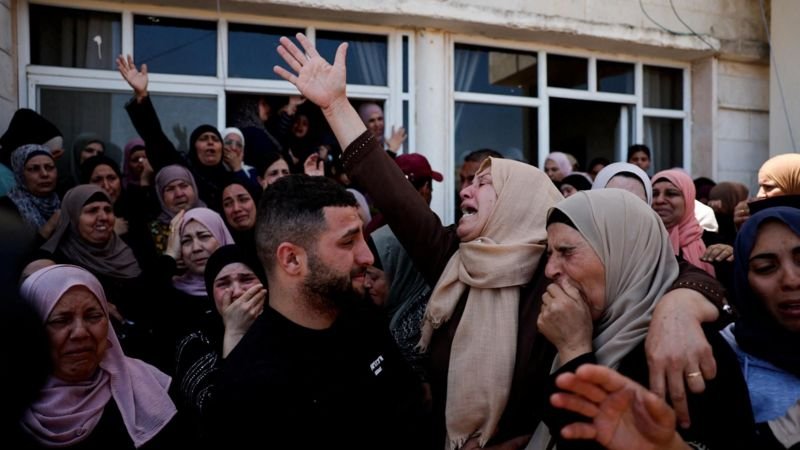
Video from the night of the attack showed a scene of chaos: a house and vehicle engulfed in flames, people running as gunfire rang out. According to Palestinian authorities, the settlers opened fire on residents and set properties on fire during what they called a “terrorist assault.” Among the dead were three men—Murshid Nawwaf Hamayel, Mohammed Qaher al-Naji, and Lutfi Sabri Bearat—who were buried amid widespread mourning in the village.
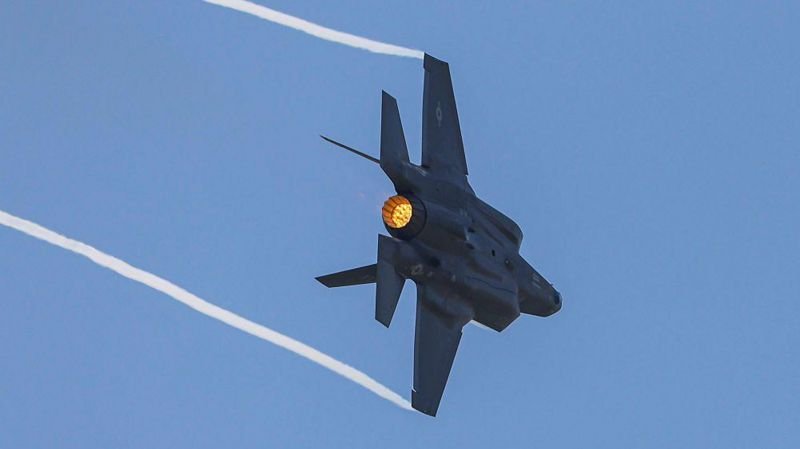
Israeli military officials reported that they encountered settlers and Palestinians throwing stones at each other and claimed that several “terrorists” had fired at Israeli forces, prompting them to return fire. The military also confirmed the arrest of five Israeli individuals at the scene.
2. Blocked Access to Emergency Services
The Palestinian Ministry of Foreign Affairs accused Israeli forces of obstructing emergency response efforts. Ambulance and fire crews were reportedly prevented from entering the village for several hours, exacerbating the devastation and raising concerns of deliberate obstruction.
Earlier in the same week, a 13-year-old Palestinian boy was also shot dead—reportedly by Israeli troops—adding to the mounting civilian toll in the region.
II. Settlements: The Core of a Longstanding Dispute
1. A Contested Landscape
Since capturing the West Bank and East Jerusalem in the 1967 Middle East War, Israel has constructed approximately 160 settlements, housing around 700,000 Israelis. These settlements are considered illegal under international law by most of the global community—a stance upheld by the International Court of Justice (ICJ) in a recent advisory opinion. Israel, however, rejects this interpretation.
Palestinians, numbering around 3.3 million in the West Bank, view these settlements as a major obstacle to their hopes for an independent state that includes the West Bank, East Jerusalem, and Gaza.
2. A Pattern of Escalating Violence
Settler violence in the West Bank has surged in recent months. Shortly after the Kafr Malik incident, another Palestinian area, Dar Fazaa near Taybeh, came under attack. Israeli human rights group B’Tselem reported that masked settlers injured three people and torched several cars. CCTV footage captured them setting a vehicle ablaze and pelting homes with stones.
Hussein al-Sheikh, the Palestinian Authority’s Vice-President, described these actions as state-backed terrorism, accusing the Israeli government of enabling such violence through policy decisions and military protection.
III. Governmental Support and Settlement Expansion
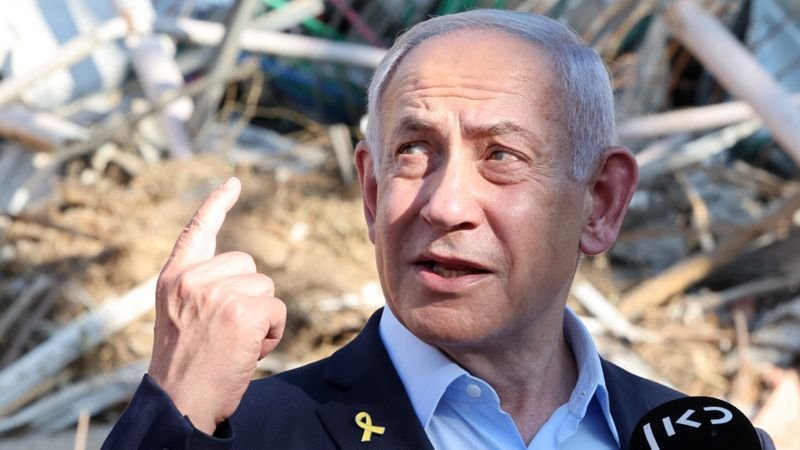
Since Prime Minister Benjamin Netanyahu’s right-wing, pro-settler coalition assumed office in late 2022, the Israeli government has actively expanded settlement activities. According to the Israeli watchdog Peace Now, authorities have approved 49 new settlements and initiated the legalization of seven previously unauthorized outposts.
Just last month, Israeli ministers announced the establishment of 22 new settlements across the West Bank. Government officials celebrated the move as a measure to block the formation of a Palestinian state, which they claim poses a threat to Israeli security.
IV. The Broader Context: Violence and Retaliation
1. More Than 900 Palestinians Killed Since October 2023
The current spike in violence is part of a broader wave that began after Hamas’s attack on southern Israel on 7 October 2023, which led to the war in Gaza. Since then, more than 900 Palestinians have been killed by Israeli forces in the West Bank, while over 20 Israelis have also lost their lives during the same period.
The United Nations has recorded 487 settler attacks that resulted in injuries or property destruction in the first four months of this year alone—including 122 incidents in April. At least 181 Palestinians have been injured in these attacks, according to the UN.
2. A Separate Incident in al-Yamoun
On the same day as the Kafr Malik tragedy, a 15-year-old Palestinian boy was shot and killed in the town of al-Yamoun near Jenin. The Israeli military claimed that its forces were attacked with explosive devices and that they opened fire in response.
The event is part of a larger military campaign in the northern West Bank, particularly around Jenin, where Israeli forces have intensified operations since January. According to the United Nations, these campaigns have displaced over 40,000 people and left refugee camps in ruins.
V. Local Voices and the Cost of Inaction
1. “I’m Not Leaving My Land”
Despite the violence and political pressures, many Palestinians remain resolute. Hamdallah Bearat, a retired engineering professor from Kafr Malik, said, “They think they can take my land and force me to leave, but I’m not going anywhere.” His statement echoes a deep-rooted sentiment among Palestinians determined to hold onto their ancestral lands despite the growing dangers.
2. Generational Impact and Economic Hardship
For younger Palestinians, the occupation brings not only violence but also economic suffocation. Restricted movement, limited job opportunities, and constant fear of conflict make daily life increasingly unlivable. The cycle of violence affects education, healthcare, and psychological well-being, leaving entire communities traumatized and impoverished.
VI. International Response and Human Rights Concerns
Palestinian leaders continue to call for international support. “The Israeli government’s behavior is pushing the region toward an explosion,” warned Hussein al-Sheikh. He urged the global community to act urgently to protect Palestinian civilians and hold Israel accountable for violations of international law.
Human rights groups repeatedly condemn Israel’s failure to prevent or punish settler violence. They also criticize the military for either ignoring or participating in such attacks. The perceived impunity with which settlers act, coupled with official policy support, raises serious questions about Israel’s obligations as an occupying power.
Conclusion: A Tipping Point in the West Bank?
The recent events in Kafr Malik and other Palestinian communities underscore the worsening crisis in the occupied West Bank. Increasing settler violence, state-backed expansion of settlements, and ongoing military operations have created a toxic environment of fear, displacement, and instability.
The cycle of violence continues to spiral as settler groups, emboldened by government support, attack Palestinian towns with little to no consequences. The Israeli military’s actions—ranging from open fire on civilians to obstruction of emergency services—have further eroded hopes for peace.
The international community faces mounting pressure to act, not only to prevent further bloodshed but also to uphold international law and human rights. Without decisive intervention and accountability, the situation in the West Bank may reach a breaking point—pushing the region closer to widespread conflict and humanitarian disaster.








